
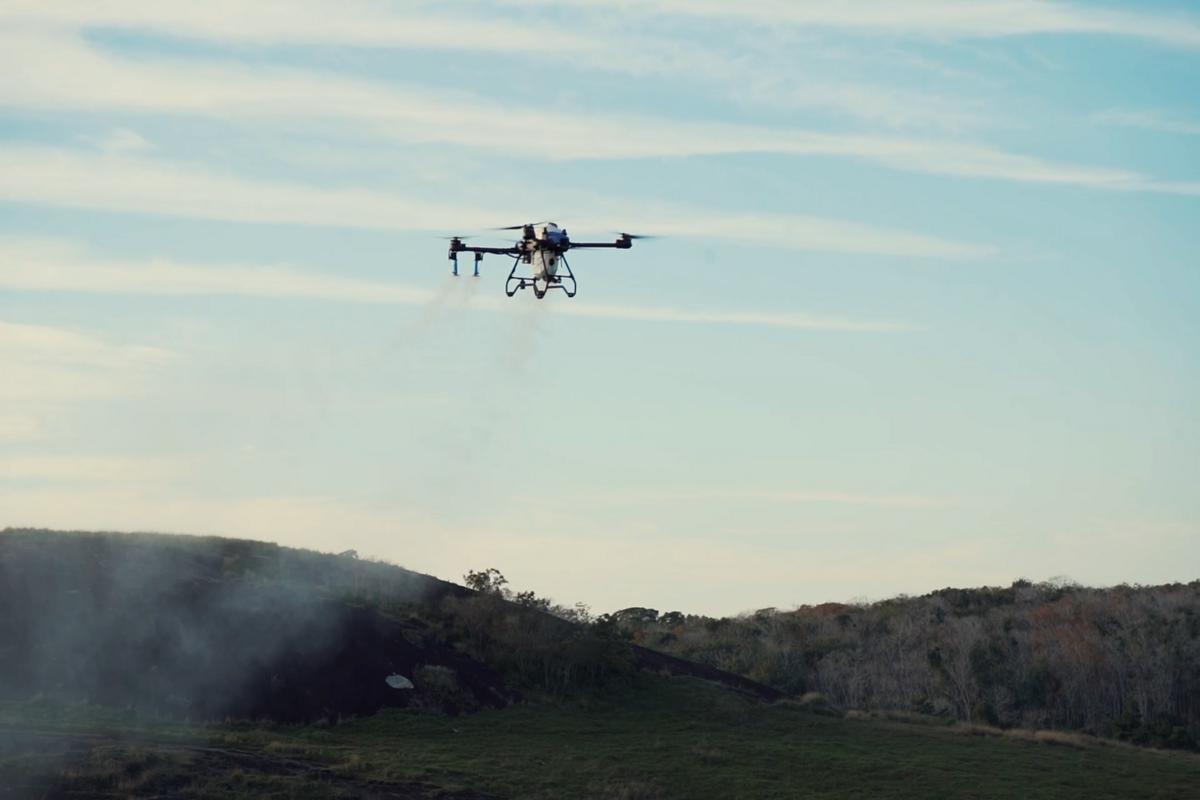
With more than 13,000 officially registered agricultural drones in Brazil, the field technology sector faces the challenge of overcoming informality, demanding greater technical training and stricter regulation to ensure operational efficiency.
The use of drones in agriculture has become a quiet revolution, transforming productivity in Brazilian farms. However, the rapid advancement of this technological innovation exposes a critical bottleneck: the gap between the number of aircraft registered with Anac—already over 13,000 units—and market estimates, which point to a fleet exceeding 35,000 equipment.
This accelerated expansion scenario highlights the urgent need for professionalization and regulatory compliance. While the technology promises to optimize processes, the lack of standardization in operation and the shortage of qualified professionals can compromise the results that rural producers expect, turning what should be an ally into an operational risk.
The challenge of professional qualification
Acquiring the equipment is just the starting point. Experts in the agro‑business sector warn that the complexity of operating an agricultural drone goes far beyond knowing how to pilot it. As Victor Gomes Silva, agronomy engineer and after‑sales supervisor at Fotus Agro, points out:
Victor Gomes Silva stated:
“It is not enough to acquire a drone and expect it to solve the operational challenges on its own. You must understand how to use the equipment, what conditions affect its performance, and what precautions are necessary to work safely. Market growth must be accompanied by technical knowledge and professionalization.”
Safety, standards, and the importance of compliance
Regulation, led by the Ministry of Agriculture and Livestock (Mapa), seeks to mitigate risks and ensure the quality of applications. Compliance with Ordinance No. 298/2021 is a pillar for legal and environmental safety. This includes registration with Sipeagro and the requirement for operators to be trained through the Remote Aero‑Agricultural Application (CAAR) course.
The improper operation, driven by lack of preparation or neglect of weather factors, can lead to product drift and waste of inputs. As Victor Gomes Silva emphasizes:
Victor Gomes Silva stated:
“When we talk about spraying, we’re not just dealing with the drone’s flight capability. It’s essential to assess the crop conditions, the product to be applied, the weather, and the equipment settings. A poorly planned operation can compromise the application outcome and generate additional costs for the producer.”
Projections and the Future of Technology in the Field
The outlook for the next decade is ambitious, with projections indicating that the fleet of unmanned aircraft could reach 115,000 units by 2030. This potential requires companies and producers to prioritize not only the purchase of new machines but also the establishment of a robust technical support network and ongoing workforce training.
The sustainability of the clean energy and precision agriculture sectors depends on moving from enthusiastic adoption to technical and professional implementation. In the long term, the consolidation of this market will be measured by efficiency, compliance with current regulations, and the sector’s ability to demonstrate in practice that rural modernization is a safe path to increased profitability and environmental stewardship.