Understanding the soil microbiome goes far beyond traditional chemical analysis, revealing biological processes crucial to productivity, efficiency, and sustainability in clean energy and regenerative agriculture.
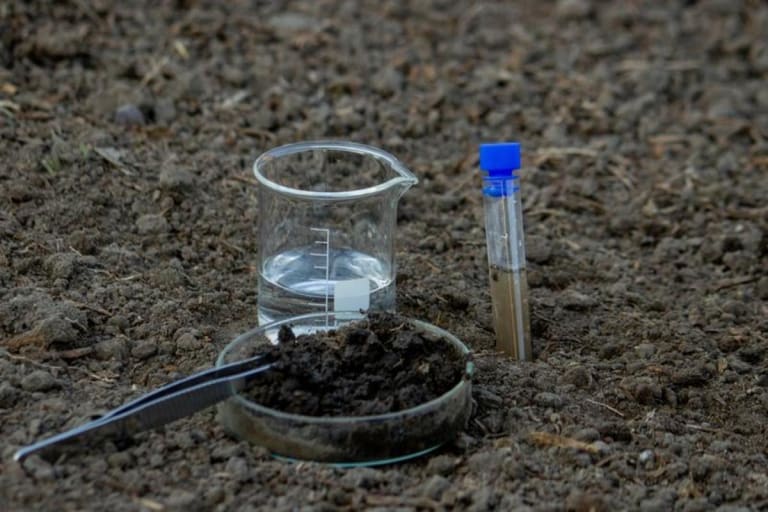
Soil chemical analysis has always been one of the most important tools in modern agriculture. Through it, growers and agronomists evaluate parameters such as nutrient availability, pH, organic matter, and base saturation—fundamental information for defining precise soil correction and fertilization strategies.
However, as the sector evolves and incorporates concepts of regenerative agriculture, there is a growing understanding that chemical composition represents only part of the story.
Soil is home to billions of microorganisms that perform essential functions for the operation of the productive system—elements that cannot be identified through conventional analysis.
This biological dimension, known as the soil microbiome, has been gaining ground in discussions on farm management because it helps explain how vital processes occur related to nutrient cycling, organic matter decomposition, root development, and ecosystem balance.
A New Look at Soil Health
While chemical analysis answers basic questions about nutrient quantities, evaluating the microbiome helps explain how the production environment is functioning in practice.
The presence, diversity, and activity of microorganisms directly influence the ability to recycle nutrients, store carbon, and retain water.
Karime Nahass stated:
Chemical analysis remains indispensable. What has changed is that today we know that, on its own, it does not explain all of the soil’s complexity. Understanding biological activity allows us to see processes that would otherwise remain invisible and that directly influence the efficiency of the production system.
According to experts, this knowledge significantly expands diagnostic capabilities, allowing agronomic decisions to be made with a much more integrated view.
Technology and Innovation in the Field
For Allterra, understanding the soil in all its dimensions represents a definitive step forward in how production is managed.
By integrating chemical, physical, and biological information, producers can make decisions based on a complete picture, increasing the efficiency of interventions.
Karime Nahass stated:
It is like getting a complete checkup. Traditional tests remain fundamental, but some answers only appear when we also observe the biological functioning of the system.
This integrated approach paves the way for new technologies aimed at environmental monitoring and natural resource optimization.
Advances in understanding the microbiome consolidate a new era for clean energy and sustainable production.
In the coming years, the trend is for diagnostics to move beyond relying solely on chemical indicators to increasingly incorporate vital biological information. This evolution ensures smarter strategies for producing with ecological balance and long-term resilience.