Advancing energy storage: BESS consolidates as a strategic tool for businesses in Brazil, according to GreenYellow analysis.
The energy sector in Brazil is experiencing a remarkable acceleration in the adoption of Battery Energy Storage Systems (BESS). This growing popularity is driven by an increasing demand for solutions that ensure energy security, offer greater operational flexibility, and facilitate the efficient integration of renewable energy sources, which are becoming increasingly prominent in the national energy matrix.
Confirmation of this strategic landscape comes from GreenYellow, a company specializing in energy solutions, which identifies BESS as a fundamental component for optimizing corporate operations. The technology not only meets the demand for reliable power but also proves to be an ally in cost management and sustainability, aligning with the decarbonization goals of various companies.
Uncovering the Benefits of BESS for the Corporate Sector
BESS technology, which encompasses battery energy storage systems, has positioned itself as a competitive advantage for companies of all sizes and sectors. Its ability to store generated energy—whether from on-site sources or the grid—and make it available during peak times or outages, ensures business continuity and mitigates the financial risks associated with power supply failures.
Beyond resilience, the operational flexibility provided by BESS allows companies to manage their energy consumption more intelligently. This translates into cost optimization, especially in scenarios with variable tariffs, and opens doors to participation in demand-response programs, generating additional revenue and promoting greater energy efficiency in their facilities.
Renewable Integration and the Crucial Role of Storage
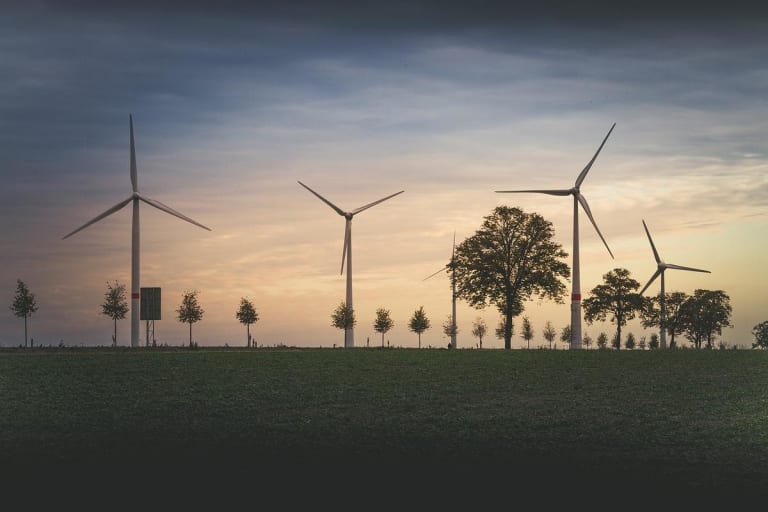
The energy transition toward cleaner sources, such as solar and wind, brings inherent challenges regarding intermittency. This is where BESS assumes an undeniable lead. By storing surplus energy generated during periods of high output from these sources, the system ensures that this clean power remains available even when the sun is not shining or the wind is not blowing strongly.
This ability to balance supply and demand is essential for grid stability and for maximizing the use of renewable energy. GreenYellow highlights that adopting BESS is a vital step for companies seeking not only to reduce their carbon footprint but also to consolidate their position in a market increasingly focused on sustainability and energy innovation.
The Strategic Future of Energy Storage
GreenYellow‘s analysis signals that BESS has moved from an emerging solution to a strategic pillar in Brazilian corporate operations. With continuous technological evolution and declining battery costs, this trend is expected to intensify, with more companies looking to integrate these systems to strengthen their energy security, optimize costs, and accelerate their journey toward sustainability.
The advancement of BESS in Brazil reflects a global shift toward a smarter, more resilient, and cleaner energy system. Companies that invest in this technology will be better prepared for the challenges and opportunities of the future energy sector, consolidating their competitiveness and contributing to more sustainable energy development.