Intense Rainfall in Brazil’s South and Southeast Impacts Energy Market, Leading to Price Drops in the Free Market.
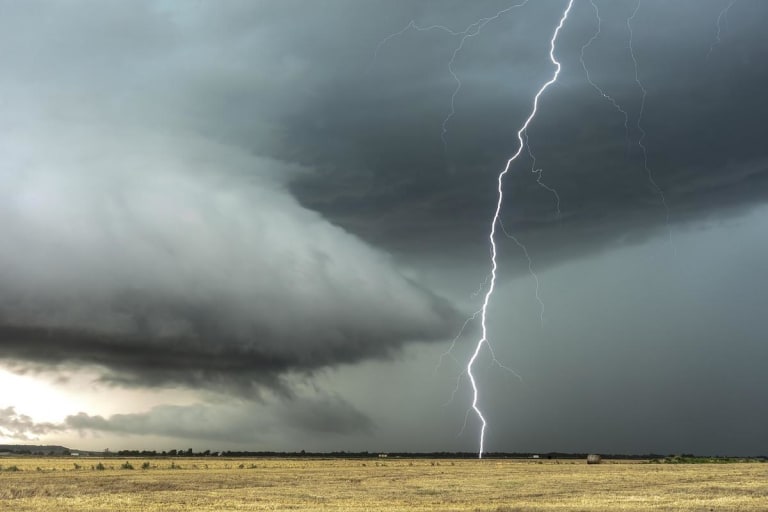
Recent climate instability, characterized by above-average rainfall in Brazil’s South and Southeast regions, has been a decisive factor in the dynamics of the free energy market. This condition, combined with the high hydrological inflow projections presented by the National Electric System Operator (ONS), signals a robust energy supply, directly influencing negotiated prices.
Between September 14 and 18, a decline in energy contracts was observed in the free market. The expectation of greater energy availability, stemming from both hydroelectric plants with full reservoirs and other renewable sources benefiting from meteorological conditions, contributed to the decrease in recorded prices. This scenario reflects the energy sector’s sensitivity to climatic variations and efficient water resource management.
Rising Energy Supply Drives Negotiations
The convergence of factors such as hydroelectric generation favored by voluminous rainfall and the consequent robust inflow estimate into the reservoirs of the National Interconnected System (SIN), disclosed by the ONS, created a favorable environment for a drop in energy prices. The free market, more sensitive to these supply and demand dynamics, responded with a reduction in the prices of electricity contracts negotiated during the period.
The price drop in the free market, driven by favorable climatic conditions, represents a relief for consumers who choose this purchasing model. The increased predictability in energy supply, especially from renewable sources, reinforces the trend towards a more stable and competitive energy market. In the future, the continuous integration of clean sources and optimized water resource management are expected to remain pillars for the security and sustainability of the Brazilian electric system, directly influencing price dynamics and investor confidence in the sector.