
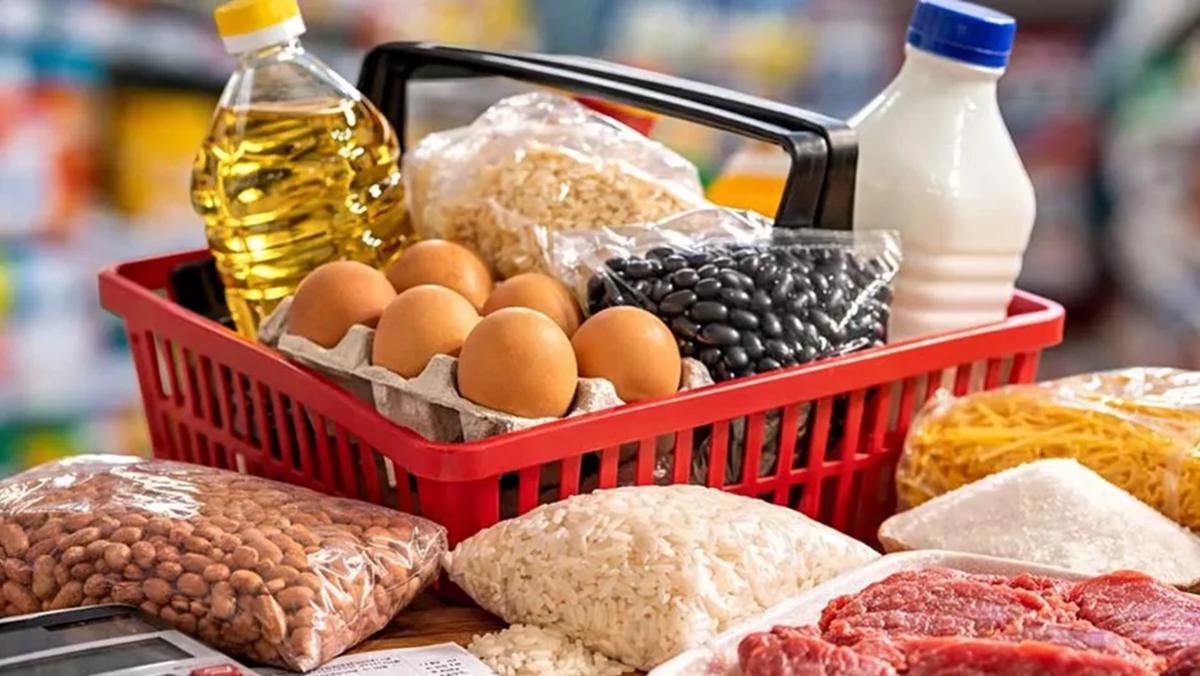
The cost of the basic basket in Brazil has surged over the past twelve months, accumulating significant inflation and tightening household budgets across the national retail sector.
The rise in essential goods has become the main challenge to the purchasing power of the Brazilian population. A recent survey by InfoPrice revealed that grocery spending has reached historic highs, directly impacting household expenses.
The current economic landscape is marked by sharp variations in supermarkets nationwide. Experts point out that weather conditions and supply‑chain disruptions continue to dictate the pace of food inflation, requiring consumers to exercise greater caution when shopping.
Significant jump in food prices
The average cost of essential groceries hit R$ 782.57 in October 2026. This figure represents an increase of R$ 105.50 compared to the same period last year, consolidating a 15.6% rise over 12 months.
Fresh produce and staple items led the price rise. Tomatoes recorded the largest jump, up 83.1%, closely followed by potatoes, which rose 79.1%. Beans increased 36.7%, while beef and whole milk saw rises of 16% and 14.5%, respectively.
The combined pressure from tomatoes and beef was decisive in the overall price increase, accounting for a significant share of the total rise during the period.
Regional differences and items that eased the burden
The study mapped price behavior across thousands of retail outlets nationwide. The Midwest stood out with the largest annual variation, recording a 16.4% increase. In absolute terms, the South region had the highest average bill at R$ 876.17, while the North offered the most affordable option, costing R$ 649.29.
Despite the overall upward trend, some products helped cushion the impact on consumers’ wallets. Ground coffee led the declines, falling 20.8%, followed by sugar (-12.6%), bananas (-12%), soybean oil (-5.1%) and wheat flour (-1%). In addition, the expanded basket, which includes 37 items such as hygiene and cleaning products, rose 9.3% over the year, reaching R$ 1,233.05.
The recent behavior of the domestic economy shows that financial planning will remain essential for families. Analysts expect that monitoring retail activity will stay rigorous in the coming months, while the market awaits possible stabilizations in the supply of key agricultural products for Brazilian tables.