
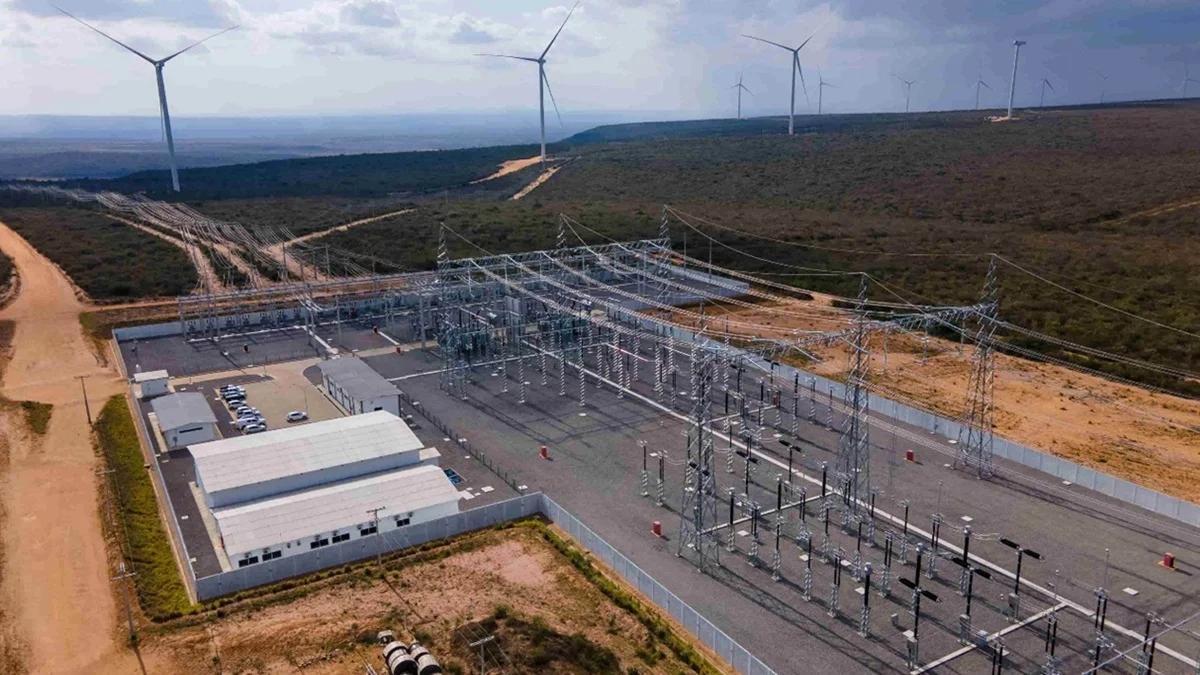
The Banco do Nordeste has secured R$ 339.7 million to integrate renewable sources into the power grid, focusing on grid modernization and the reduction of energy waste.
The clean energy sector in Brazil has just received a strategic boost.
On Thursday (15), Banco do Nordeste announced a new investment package totaling R$ 339.7 million, specifically aimed at mitigating technical bottlenecks that hinder the full utilization of the region’s renewable energy matrix.
The initiative is made possible through an international partnership, with resources split equally between the Inter-American Development Bank (IDB) and the Climate Investment Funds (CIF).
The main objective is to fund the Northeast Renewable Energy Integration Program, directly addressing the issue of curtailment—the forced curtailment of power plant generation when the grid cannot handle the volume of energy produced.
Technology and infrastructure as a priority
The allocation of these financial resources will not be limited to a single sector.
Banco do Nordeste plans to support projects involving the digitalization of distribution and transmission grids, in addition to fostering automation systems, battery storage, and the promising green hydrogen market.
The expectation is that the full amount will be made available by early 2027.
Before then, the institution will undergo a crucial technical phase, which involves modeling contracts and adapting internal systems to ensure that credit reaches projects with the highest potential for systemic return.
The bank’s strategy notes:
“The analysis of projects will seek to precisely identify which grid restriction will be mitigated: whether it be transmission capacity, operational flexibility, or the dynamic balance between supply and national consumption.”
Real impact on the power grid
For the end consumer, the direct benefit is the optimization of existing infrastructure.
When the system can distribute energy that was previously wasted due to technical limitations, there is a gain in efficiency that strengthens energy reliability.
However, it is important to emphasize that this financial investment does not automatically imply an immediate reduction in utility rates.
The impact on electricity bills will be determined by the contracting regime adopted and how the costs of this investment are absorbed by sector agents.
In the coming months, monitoring the results will be fundamental to measuring how much this investment will increase the efficiency of power plants and the security of energy supply in Brazil.