
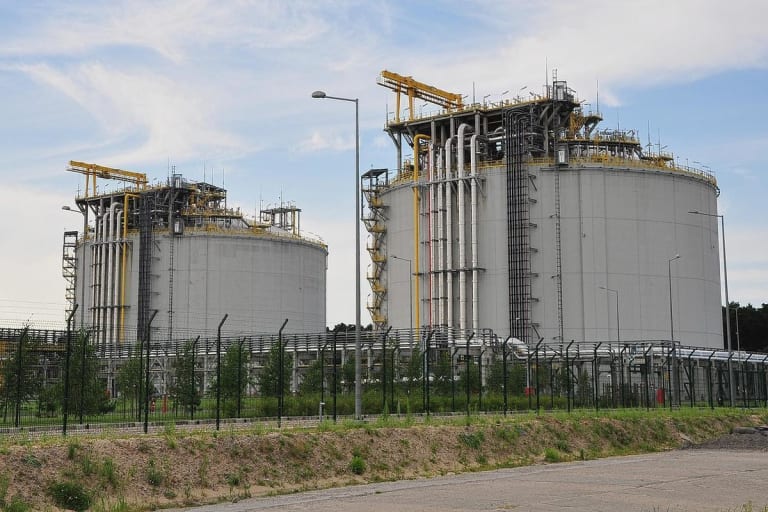
The increasing adoption of artificial intelligence in the oil and gas sector boosts operational efficiency but raises urgent debates about legal liability in automated decisions.
Digital transformation is no longer a distant horizon but has become the central engine of the oil and gas industry. From drones monitoring platforms to algorithms deciphering complex geological data, technology is redefining productivity standards. However, by transferring strategic decisions to smart systems, the sector faces a critical dilemma: how to structure legal liability when technical precision fails?
Experts such as Julia Borges da Mota and Thiago Bandeira warn that the transition to the era of algorithms is not just an engineering challenge but a complex legal minefield. While the use of these tools promises to reduce costs and optimize maintenance processes, the absence of a consolidated regulatory framework in Brazil creates a gray area for operators and service providers.
Advancing Efficiency and the Role of R&D
The sector is in a phase of accelerated implementation, focused on safety and performance. Market reports, such as those from Deloitte, indicate that data-driven maintenance can reduce critical failures by up to 40%. In Brazil, incentives come from mechanisms like the Research, Development, and Innovation (R&D) policy of the ANP, which directs mandatory investments toward modernizing operations.
Companies in the sector, monitored by the IBP (Brazilian Institute of Oil and Gas), already place innovation as an absolute priority. The interest is clear: to use technology to mitigate human risks and maximize returns in deepwater exploration fields, where complexity is extreme.
The Challenge of Governance and Algorithmic Liability
Although Brazil is still debating the AI bill in the Legislature, the regulatory vacuum does not exempt companies from their obligations. Regulations such as the LGPD, environmental laws, and service provision contracts form a mosaic of obligations that demands heightened attention from companies.
Concern grows as automation moves beyond administrative tasks to gain control of physical operations.
The more AI moves out of the administrative environment and closer to the well, the platform, the pipeline, or the control room, the greater the need to define who decides, who supervises, and who is accountable.
The collaborative nature of the sector — involving operators, software developers, and cloud infrastructure providers — makes defining responsibilities a complex exercise. In the event of an accident or operational failure stemming from an algorithm’s recommendation, the justice system will need to determine whether there was human error in following the system or a defect in the technology provided.
Contracts as the Primary Line of Defense
Given this scenario, contracts have become the most powerful governance tool. Contractual clauses now need to go beyond intellectual property, clearly establishing how data will be used, who owns the system’s learned insights, and what cybersecurity protocols govern the interaction between machines and physical assets.
The future of the clean and sustainable energy sector depends on the balance between technological innovation and legal certainty. The companies that will prosper are those capable of establishing clear boundaries between the agility of algorithms and the indispensable oversight of human operators, ensuring that digital transformation is a pillar of growth, not operational insecurity.