

The International Arayara Institute has labeled the new draft of COP31 in Turkey a setback, after the removal of fossil fuel targets and a just transition.
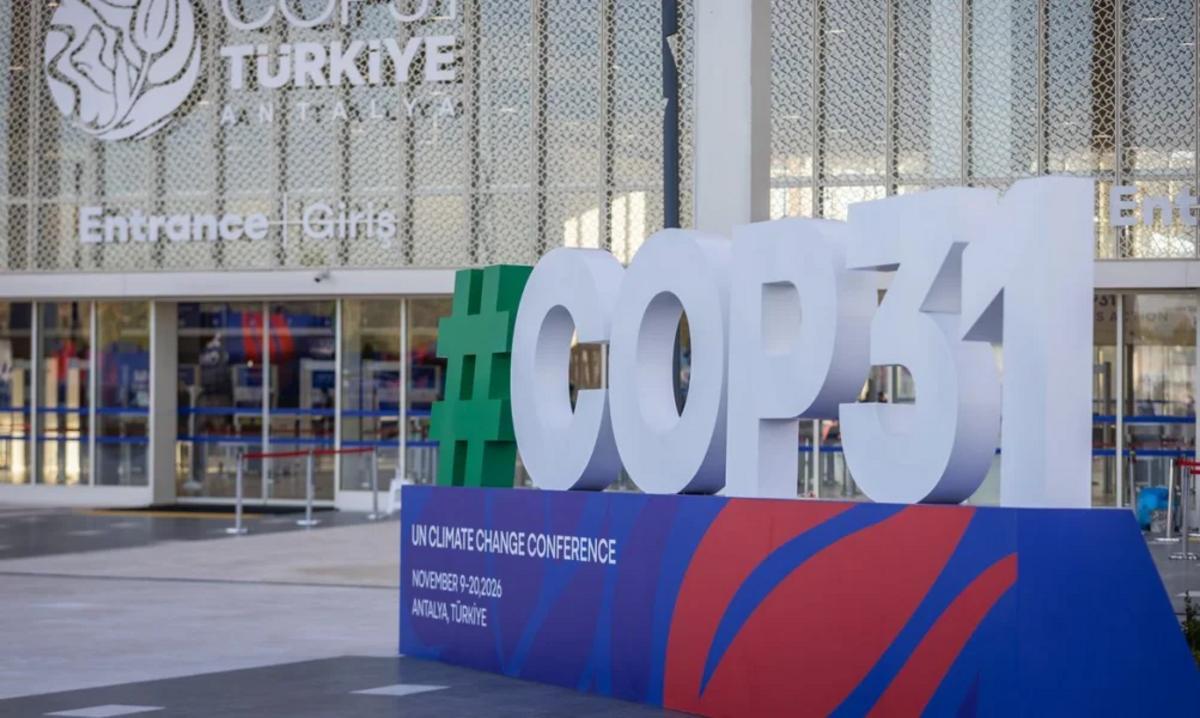
The final stretch of the 31st United Nations Climate Change Conference (COP31), hosted in Antalya, Turkey, is entering decisive moments under strong pressure from socio‑environmental groups. Two days before the official closing of the event, the release of a new draft decision sparked severe warnings about the weakening of global decarbonization and energy transition agreements.
The crux of the objection centers on the exclusion of essential guidelines for abandoning highly polluting sources. Organizations present at the conference sharply criticized the removal of clear commitments to end the hydrocarbon era, which in practice eliminates the necessary predictability for governments and the private sector to redirect large‑scale investments toward clean energy systems.
The Void Left by the End of the Path Maps
One of the biggest concerns for specialists and environmentalists was the suppression of the so‑called Path Maps. This tool had been structured during the Brazilian presidency at COP30 with the clear purpose of serving as an operational guide for gradually overcoming dependence on oil, natural gas, and coal, as well as guiding the preservation of biomes.
The removal of this mechanism from the current draft represents a break in diplomatic continuity between climate summits. Without a regulatory compass to guide countries in the safe substitution of their energy sources, the pace of the transition risks stalling, opening the door to solutions that merely extend the life of the fossil industry.
Criticism of Mitigation Technologies and False Solutions
Another aspect that caused discomfort among analysts in Turkey was the excessive focus on carbon capture and storage (CCS) technologies. For the technicians at the International Arayara Institute, these tools should not serve as a regulatory alibi to perpetuate oil and gas exploitation.
The technical assessment indicates that overreliance on mitigation mechanisms, at the expense of directly cutting emissions at the source, undermines the core goal of limiting global warming. On this urgency, the organization’s advocacy and projects manager, Renata Prata, underscored the central role of social justice:
“We cannot accept that COP31 ends without outlining concrete paths to overcome dependence on fossil fuels. Removing these references from the text weakens precisely the commitment that should be a priority. There is no effective confrontation of the climate crisis without progressively and rapidly reducing the exploitation and consumption of oil, gas, and coal, with social justice, protection of territories, and guarantees of rights for affected populations.”
Uncertainties in Global Climate Financing
Economically, the draft still preserves the intention to triple climate adaptation funding by 2035, but it falls short due to a complete lack of operational transparency. The document omitted critical details such as precise amounts, identification of funding sources, and the creation of agile disbursement mechanisms for developing nations.
The absence of concrete financial guarantees prevents capital from reaching the most vulnerable communities with the necessary speed. Calling for a firm pivot from diplomats before the final vote, the institution’s executive director, Nicole Oliveira, emphasized the need for immediate action:
“The climate crisis demands political decisions, financing, and concrete timelines, not just statements of intent. It is essential that the final text acknowledges the urgency of a just energy transition, establishes pathways for the progressive abandonment of fossil fuels, and secures resources to protect those already suffering the impacts of the climate emergency. The world must leave this COP with commitments capable of producing real change.”
With the summit’s imminent conclusion, delegations face the challenge of reintegrating sustainability and robust financing pillars to avoid a hollow agreement, ensuring that the global pact of Antália reflects the gravity of today’s planetary crisis.