Brazil is preparing to host the 2027 Women’s World Cup. Crucial laws have already been passed by the National Congress, boosting women’s leadership in soccer and fostering a lasting sports legacy.
The countdown to the 2027 Women’s World Cup, which will see Brazil as the host, is entering a new chapter with intense legislative activity in Brasília. Both representatives and senators have been working on passing essential measures to bring the event to fruition, while various proposals seek to solidify the space and development of women in sports, starting from youth development programs. This joint effort aims not only at the viability of the tournament but also at strengthening a movement that transcends the playing field, promoting gender equality in sports.
The most relevant point lies in the approval of legislation that forms the structural foundation for the Women’s World Cup. These laws ensure the framework necessary for organizing the tournament and signal the country’s commitment to women’s soccer. Furthermore, the legislative agenda covers initiatives that promise a permanent impact, creating a fairer and more inclusive environment for athletes of all ages, reinforcing the importance of investment in women’s sports.
Legislation Driving the 2027 Cup
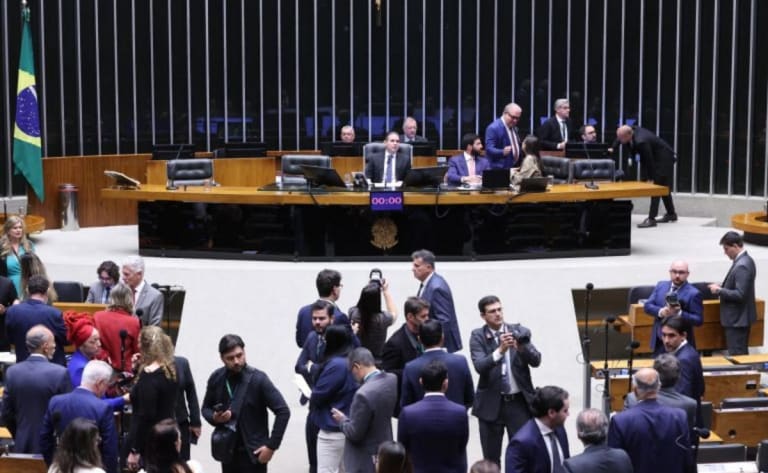
To ensure the realization of the Women’s World Cup in Brazil, two major laws are already in effect. The first, Supplementary Law 232/26, grants an exemption from the Service Tax (ISS) for companies involved in organizing the event across the eight host cities. This measure eases the financial process, facilitating the attraction of investments and the execution of preparations. The second, Law 15.421/26, known as the General Women’s World Cup Law, establishes a comprehensive regulatory framework, detailing the rights and duties of both the Federal Government and FIFA during the competition, ensuring transparency and order.
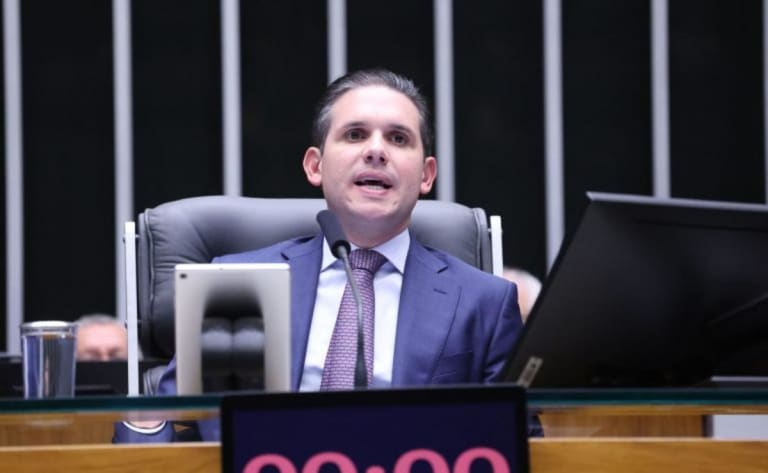
Representative Gleisi Hoffmann (PT-PR), the rapporteur of the bill in the Chamber of Deputies, emphasized the vast potential of the Women’s World Cup for the country. In her assessment, investing in an event of this magnitude creates jobs, boosts the tourism economy, and improves existing infrastructure, leaving a valuable legacy of public works.
According to Hoffmann, the World Cup is a tool to enable improvements in sports infrastructure and para-sports facilities, in addition to fostering the practice of women’s soccer in all Brazilian regions and promoting the dissemination of the sport.
General World Cup Law Details and Debates
The General Women’s World Cup Law establishes clear guidelines for various operational aspects of the tournament. Among the rules are the regulation of commerce in event areas, standards for advertising and the exploitation of brands and images, simplified visa issuance for foreign workers, rules for ticket sales, and provisions for public security and the operation of services during the competition.
Despite its relevance, the law’s approval was not unanimous. Representative Kim Kataguiri (União-SP) expressed reservations, criticizing the argument of a “legacy” by recalling the 2014 men’s World Cup. In his speech, Kataguiri questioned the effectiveness of the promised benefits:
FIFA often plunders the country and then leaves, without leaving the expected infrastructure behind.
On the other hand, FIFA‘s Director of Legacy and Institutional Relations, former player Aline Pellegrino, defended the event, highlighting the strong female leadership in its organization, with 70% of the operational command under women’s leadership. She described the World Cup as a unique opportunity to demonstrate women’s capability in all spheres of the sport.
Historical Evolution and the Impact of Women’s Soccer
The journey of women’s soccer in Brazil is marked by challenges and achievements. For many years, women were barred from practicing the sport under Decree-Law 3.199/41, which prohibited participation in modalities considered “incompatible with their nature.” It was not until 1983 that the National Sports Council (CND) recognized and regulated women’s soccer.
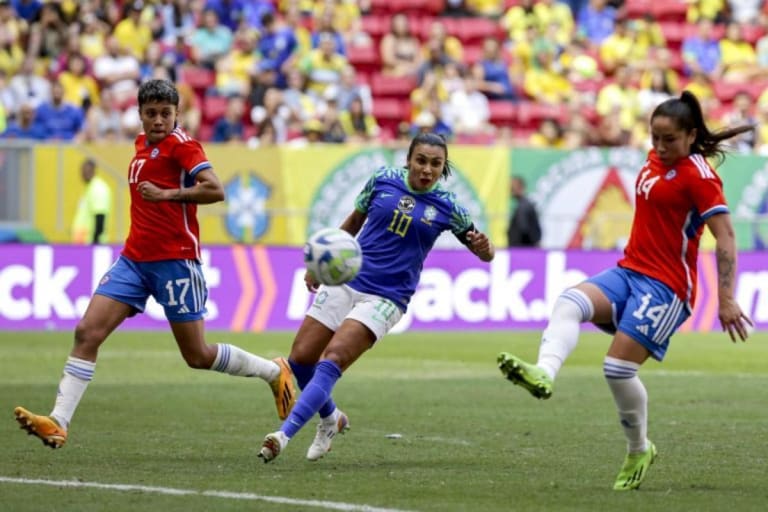
Aline Pellegrino, who shone as a defender for the Brazilian National Team during the silver medal win at the 2004 Athens Olympics, celebrates the continuous progress, highlighting the inspiring power of these victories for girls and women across the country. Brazil, having participated in all nine editions of the Women’s World Cup, prides itself on having the competition’s top scorer, Alagoas native Marta, with 17 goals in 22 matches over six tournaments.
The 2027 Women’s World Cup will make history as the first to be held in South America. The tournament will bring together 32 national teams from around the world, from June 24 to July 25 of next year, with matches distributed across eight Brazilian state capitals: Belo Horizonte, Brasília, Fortaleza, Porto Alegre, Recife, Rio de Janeiro, Salvador, and São Paulo.
Future Perspectives: New Legislative Proposals
In addition to the laws already passed, the Chamber of Deputies continues to analyze various other legislative proposals aimed at deepening incentives for women’s soccer. Bills such as PL 657/26 and PL 658/26 focus on financial incentives for the sport, while PL 4578/25 addresses overcoming gender discrimination in sports, seeking to create a more equitable environment.
One highlight is the proposal by Representative Marcos Braz (PSDB-RJ), PL 2839/26, which focuses on youth development. This bill requires the creation of girls’ teams in all soccer schools receiving federal public funding. The intention is to guarantee opportunities for girls early on, training future generations of talent. Additionally, PL 3968/24, which aims to create the legal framework for women’s soccer, is awaiting a vote.
The hosting of the 2027 Women’s World Cup in Brazil, combined with the robust legislative structure under construction, represents a decisive moment for women’s soccer. More than just a tournament, it is the consolidation of a movement aimed at equal opportunities and the recognition of women’s talent on the pitch. The approved laws and proposals under analysis in the National Congress promise a legacy that transcends the event, inspiring new generations and solidifying female leadership in Brazilian and world sports.