
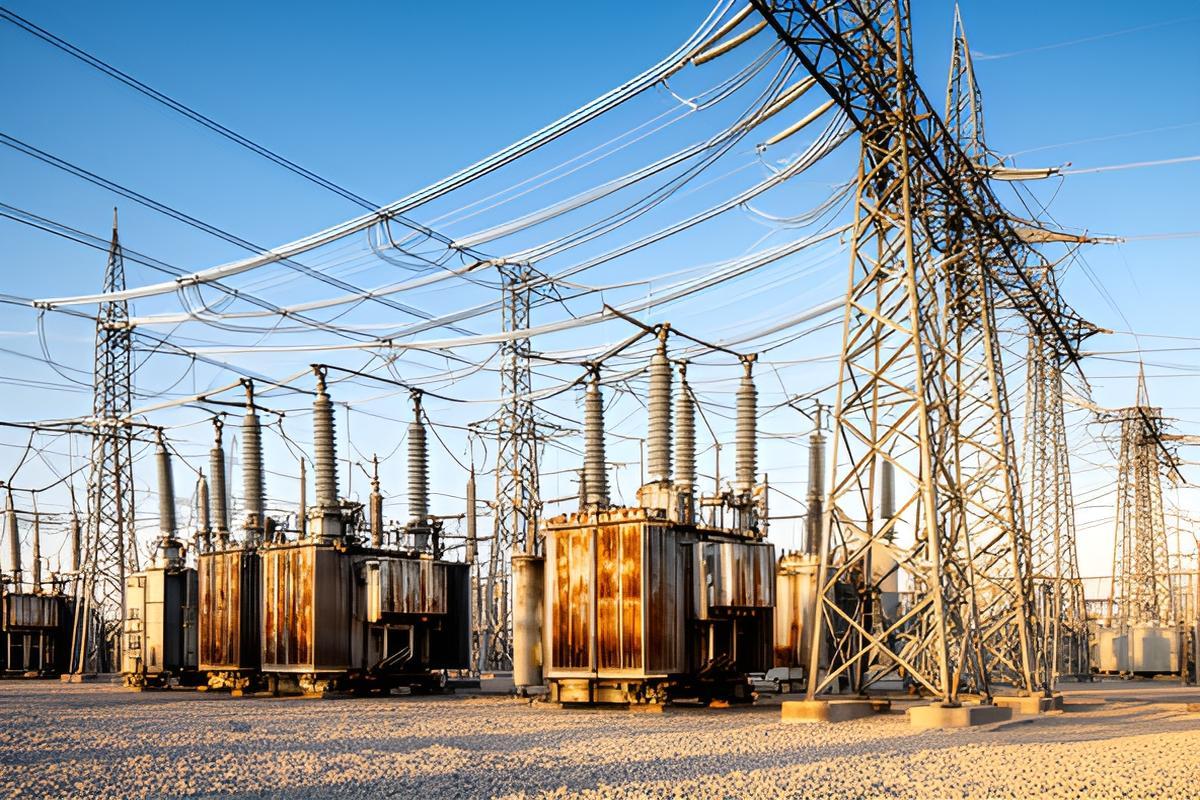
The revocation of 178 authorizations by ANEEL clears the national electric grid, paving the way for new generation projects to expand access to transmission networks.
The National Electricity Agency (ANEEL) formalized the cancellation of authorizations for 178 power plants in the country. The measure also resulted in the termination of transmission system usage contracts associated with the projects.
In total, the decision covers about 7.80 gigawatts (GW) of installed capacity that were slated to enter the electric system. The freed volume in the transmission infrastructure reaches 7.68 GW of contracted usage.
The move signals a significant reorganization in the queue for access to the national electric grids. However, experts and market participants warn that the release of this capacity does not translate into an immediate green light for new projects.
The Forgiveness Day mechanism and network release
The revocation of authorizations occurred through the regulation known as Forgiveness Day 2. The measure allowed developers to abandon unviable projects without the application of sanctions or termination fees.
The process included validation of requirements by the National System Operator (ONS) and by ANEEL itself. This cleanup of the authorization list seeks to eliminate the so‑called phantom capacity on the transmission network.
The released contractual capacity represents a valuable opportunity for analysis in the sector, but it does not guarantee an automatic individual reservation of access for new ventures.
With these plants removed from the books, the reserved capacity will again undergo technical studies. It is important to emphasize that the total number includes various types of generating sources, not limited to solar power parks.
Operational impacts and the outlook for investors
For agents looking to enable new generation plants, the news renews expectations of connection to the interconnected system. However, the availability of transmission margin varies dramatically depending on geographic location.
Releasing space in a specific region does not solve the operational bottlenecks observed at other points in the grid. Investors should request detailed feasibility studies before assuming that there will be available capacity on the network.
Regarding the impact on the final consumer’s wallet, the measure does not provide immediate relief in energy tariffs. More efficient allocation of infrastructure could yield long‑term economic gains, contingent on the progress of actual projects.
The mass cancellation of contracts clears the analysis flow and exposes the gap between announced projects and plants actually built. The centralized generation market now has a cleaner horizon for competition.
In the coming months, the sector will monitor ONS reports to identify which connection points will return to the market. The real benefit of this reform will depend on the industry’s ability to convert the freed margin into clean energy operating at the edge.