
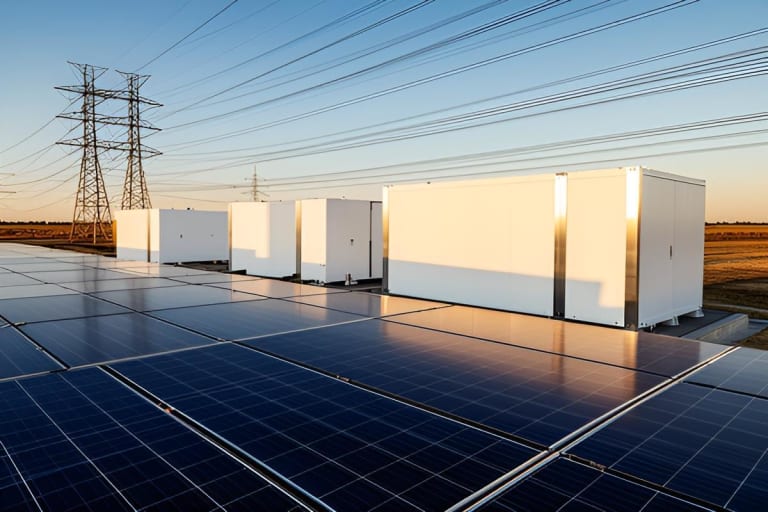
Deadline of November 9 gives the solar and storage sector a chance to participate in ANEEL’s consultation on new rules for connecting to Brazil’s electric grid.
The solar energy sector and storage technologies are set to meet the country’s future regulatory landscape.
ANEEL has set November 9 as the deadline for receiving analyses, criticisms, and suggestions on the draft that reforms the guidelines for integrating modern systems into the national electric grid.
The ongoing discussion is drawing attention from manufacturers, designers, and consumers who use photovoltaic panels, electric vehicles, and residential batteries.
The proposal directly addresses the technical criteria outlined in Module 3 of PRODIST, the key document governing access to electricity distribution systems.
What changes with the regulatory proposal
The debate promoted by the regulatory agency seeks to adapt electric grids to an increasingly decentralized reality.
With the popularization of distributed generation and assets that both consume and inject energy, ANEEL points to the need for greater control and visibility over these equipment.
Technical concepts such as observability and operability are gaining prominence in the text under discussion.
The goal is to provide utilities with tools to monitor and coordinate energy generated by renewable sources and batteries, ensuring system stability without compromising operational safety.
Technical participation at this stage is the only way to ensure that the operational reality of companies and consumers is considered in the final standard text.
Experts in the electric sector highlight this.
Precautions in purchasing and impact on projects
The opening of the public consultation does not immediately change the rules in force nor does it automatically allow energy injection into the grid.
Current budgets and new projects remain subject to the technical requirements already practiced by local utilities.
Those planning to invest in photovoltaic systems with storage should keep their focus on the existing requirements.
Experts advise caution when signing contracts, warning against promises based on regulatory changes that are still under discussion and not guaranteed to be approved in their current form.
The contribution process remains open until the deadline through the agency’s official channels.
After the deadline closes, the regulator will review all submissions before finalizing the text that will shape the future of the country’s electrical infrastructure.