
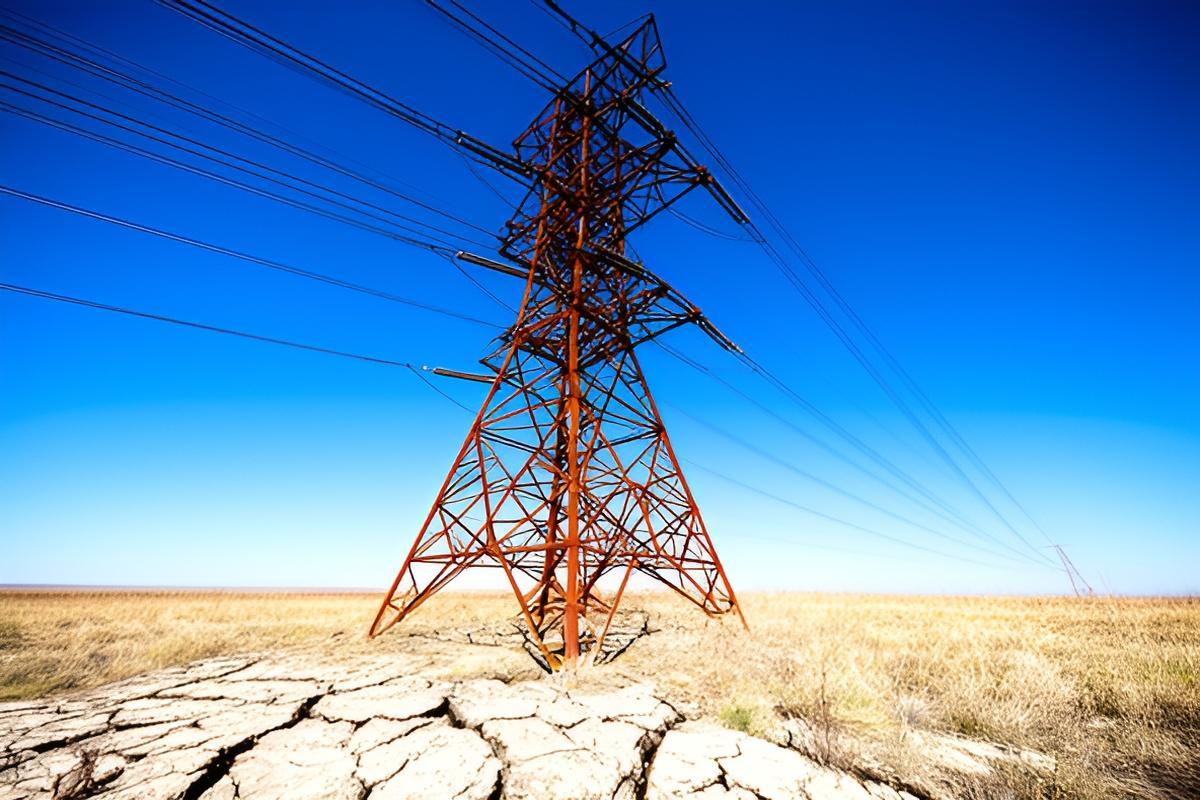
ANEEL releases a strategic study to address the impacts of El Niño between 2026 and 2027, outlining guidelines to strengthen the country’s infrastructure and energy security amid extreme weather events.
The National Electricity Agency published a comprehensive document focused on the operational challenges that El Niño will bring to the National Interconnected System during the 2026‑2027 biennium. The material consolidates technical assessments and contributions from various energy concessionaires, establishing a preventive overview to mitigate vulnerabilities in Brazil’s power grid.
The study is the result of discussions held during a technical seminar promoted by the regulator. The meeting brought together climate experts, civil defense authorities, and industry companies to design adaptation strategies and rapid response plans in the face of increasing meteorological volatility.
Regional Vulnerabilities and Logistical Challenges
Climate projections indicate varied threats depending on geographic location. In the South region, the main concern centers on violent storms and floods capable of destroying poles, cables, and substations, as well as isolating strategic areas and delaying maintenance crews.
In contrast, the Amazon basin faces the challenge of severe droughts and historic river lows. This situation severely hampers river navigation, complicating the movement of teams, the transport of essential supplies, and the operation of power plants and advanced service posts.
In the Central‑West and Northeast regions, the primary risk focuses on the high incidence of forest fires. Flames and dense smoke compromise transmission lines and trigger automatic shutdowns, requiring constant monitoring of easement corridors.
Study Structure and Regulatory Governance
Divided into five key sections, the report is grounded in scientific bases on thermal stress in energy assets and updated oceanographic projections. The methodology integrated multilateral dialogue with a detailed resilience matrix focused on generation, transmission, and distribution.
The document states that the continuity of electric supply depends on integrated action between regulated agents and the public sector.
National energy infrastructure resilience requires more than physical robustness; it demands logistical coordination, integrated planning, and agile institutional responses to the new climate reality.
In this challenging context, ANEEL emphasizes that adapting to climate change has moved from being a differentiator to becoming a mandatory pillar in risk management and long‑term strategic planning for energy in Brazil.