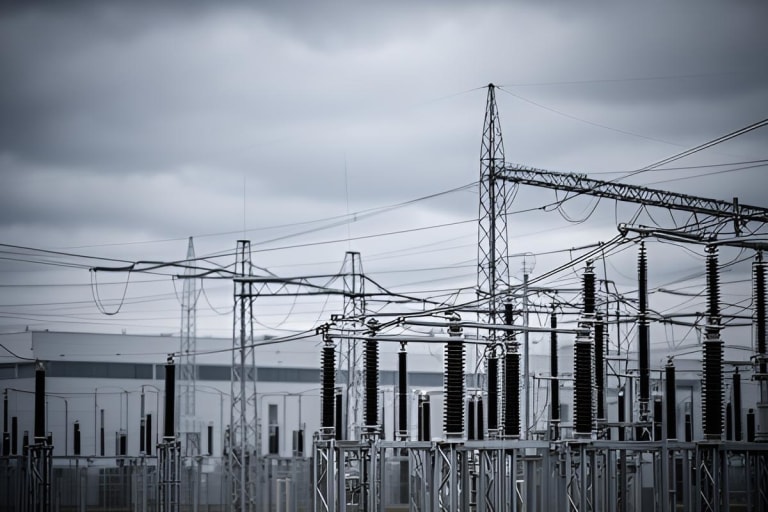
Aneel plans to create new guidelines under Pnast to curb the speculative use of transmission capacity, ensuring greater competitiveness and security for the electric power sector.
The Brazilian Electric Power Agency (Aneel) has initiated a strategic move to protect the country’s energy transmission infrastructure.
During a recently held session, the agency’s board debated rigorous mechanisms to prevent the improper retention of space in the electrical grids—a practice that typically artificially inflates demand and harms new clean energy investments.
The primary focus of the complementary regulation for the National Transmission System Access Policy (Pnast) will be to strictly tie the acquired capacity to the original project that motivated its allocation.
With the introduction of so-called Access Seasons, the competition model has changed, requiring increased vigilance so that usage rights are not turned into instruments of financial speculation or private brokering.
Combating speculation and new consultation rules
The central concern of regulatory authorities is to ensure that transmission resources remain accessible to those who genuinely intend to deploy productive ventures.
To this end, future regulations are expected to make it harder to carry out onerous transfers of ownership designed solely to bypass fair competition among market agents.
The agency pointed out in its technical discussions:
The objective is not to prevent corporate reorganizations or legitimate changes in ownership, but to prevent these operations from being used for the onerous transfer of acquired capacity, bypassing competition among interested parties.
To make these changes viable, Aneel approved a 45-day public consultation, a period during which the market will be able to debate the necessary adjustments to service regulations.
At the same time, the ONS (National Electric System Operator) was given a 45-day deadline to adapt its internal procedures and operationalize the new guidelines.
Transition for phased loads and large consumers
In addition to safeguards against speculation, the regulatory board established a transitional rule aimed at large consumers with gradual expansion—such as data centers—whose projects were already advanced before the Pnast decree came into effect.
The measure ensures priority in capacity analysis for the year 2029, provided there is remaining margin and technical validation from the system operator.
This safeguard caters to ventures that suffered from a disruption in the chronology of requests, ensuring that future phases already foreseen in technical studies can be formally contracted.
The exception, however, is restricted and requires interested parties to meet rigorous bureaucratic requirements and specific application deadlines.
With these moves, the regulated sector is moving toward a more transparent and balanced environment.
The expectation is that the consolidation of Pnast will bring predictability to the transmission of renewable sources, curbing distortions and ensuring that the expansion of electrical infrastructure keeps pace with the actual rhythm of Brazil’s energy transition.