Aneel has launched an innovative regulatory sandbox to boost access to clean energy in isolated communities within the Legal Amazon, aiming for sustainable development and energy efficiency.
The National Electric Energy Agency (Aneel) has taken a significant step toward universalizing access to electricity in remote regions of Brazil. The approval of the regulatory sandbox named “Energias da Floresta” (Energies of the Forest) was recently published in the Official Gazette of the Union (DOU). The main goal of this experimental program is the development and testing of pilot projects that can bring efficient and sustainable energy solutions to populations living in hard-to-reach areas, with an initial focus on the vast Legal Amazon.
Aneel’s initiative is not limited to the Amazon but paves the way for other communities facing a lack or precariousness of electricity supply to benefit in the future. This strategic move directly aligns with the growing demand for clean energy and the urgent need to combat energy poverty, one of Brazil’s major social and environmental challenges.
Collaborative Governance and Sustainable Solutions
To ensure the effectiveness and scope of “Energias da Floresta“, Aneel’s resolution outlined a strongly collaborative governance model. This approach brings together a wide range of stakeholders: from public bodies and electricity sector agents to civil society organizations, educational and research institutions, and, crucially, the traditional peoples and communities themselves, who are directly impacted by the lack of electricity.
Projects integrating this regulatory sandbox must follow clear guidelines. It is imperative that they promote energy efficiency, ensure environmental sustainability, and harmoniously integrate with existing public policies. Furthermore, the proposed solutions need to be conceived with potential for scalability and replicability so they can be expanded and applied in various locations, maximizing their positive impact.
Listening to Communities: A Precursor Dialogue
The development of the sandbox guidelines included a fundamental and innovative stage: a dialogue workshop in August, held at the Tapajós-Arapiuns Extractive Reserve (Resex), in Santarém, Pará. This meeting brought together representatives from communities, government, energy distributors, academia, civil society, and companies in a joint effort to co-create alternatives to energy poverty.
Organized by Aneel and the Energy and Environment Institute (Iema), with valuable support from the Inter-American Development Bank (IDB) Group, the event allowed participants to experience the local reality firsthand.
“People were present, they visited different communities, they saw the reality of energy, they saw how the lack of public service impacts productive activities, impacts schools, health clinics,” reported Vinícius Oliveira da Silva, an Iema researcher, to the eixos agency, emphasizing that “we saw how energy is a means to ensure various services.”
Impact of Energy Poverty and Potential Solutions
Data revealed by Iema underscore the urgency of the issue: 3,659 schools and 966 Basic Health Units (UBS) across the country operate without regular access to public electricity services.
The absence of energy security also severely harms extractive production, with over 84,000 establishments dedicated to this activity in the Legal Amazon completely devoid of any type of energy supply.
The lack of access to electricity not only compromises the well-being and economic development of communities. It also leads to environmental problems. Silva highlighted that reliance on archaic generation methods, such as burning fossil fuels, aggravates pollution and contributes to climate change. This contrasts sharply with the potential of renewable energy solutions.
The Horizon of Solar Energy in the Pan-Amazon
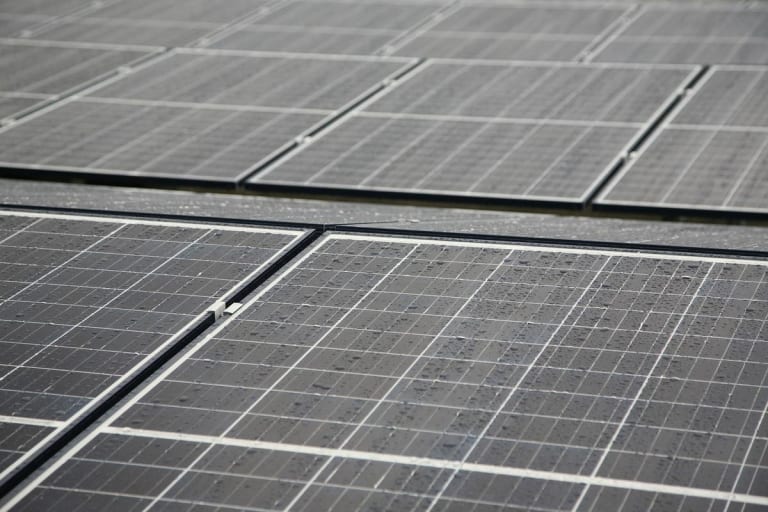
A detailed survey by Iema in the Pan-Amazon mapped 313 pilot projects already implemented to promote energy inclusion in 223 communities and 90 collective residences. The good news is that photovoltaic solar energy stood out as the technology present in virtually all these initiatives. More precisely, 86% of these systems had the crucial support of battery storage systems, ensuring energy availability even during periods without sun.
The results of these projects are encouraging. Almost all communities managed to significantly reduce their reliance on diesel – an expensive, polluting, and logistically complex fuel in remote regions. About a third of them achieved an even greater feat, completely eliminating the use of diesel, replacing it with clean and renewable energy sources.
The approval of the “Energias da Floresta” regulatory sandbox by Aneel represents a strategic and promising advance for the clean energy sector in Brazil. By fostering the experimentation of new energy solutions in controlled environments and in close collaboration with communities, the agency seeks to expand access to electricity and drive sustainable development and technological innovation. The expectation is that this program will catalyze the replication of successful models, transforming the reality of thousands of Brazilians. It thus strengthens the country’s commitment to a greener and more inclusive energy future, especially in the most vulnerable regions like the Legal Amazon.