

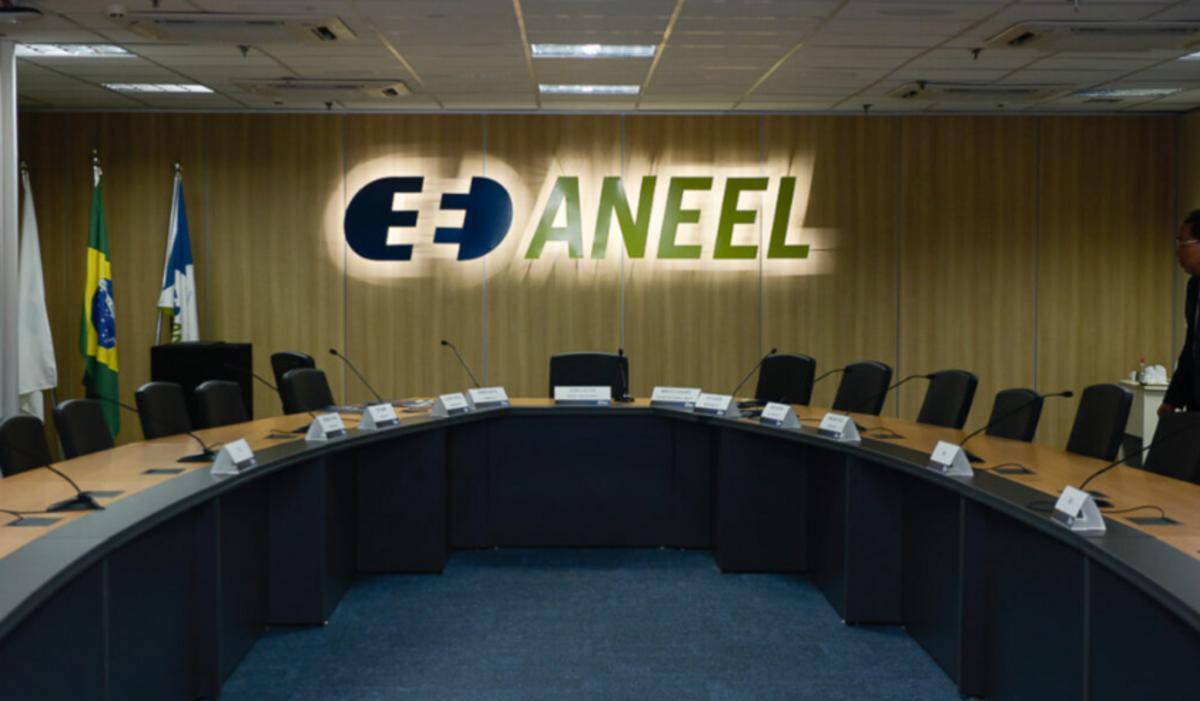
Aneel reached a majority to recommend the termination of Enel São Paulo’s contract, but the process remains stalled after the general director requested more time for analysis.
The energy crisis that has plagued the São Paulo metropolitan area reached a decisive point on Tuesday (17). In a move long awaited by the electric sector and consumers, the board of the National Electricity Agency (Aneel) formed a majority in favor of recommending the expiration of Enel’s concession contract.
Despite the green signal from four of the five directors, the outcome was postponed by a request for review from Sandoval Feitosa, the agency’s general director.
The process’s rapporteur, Agnes da Costa, consolidated the vote for the early termination of the relationship, joined by three other members of the board. The scenario casts doubt on the distributor’s continuity, which has faced constant criticism for its inefficiency in restoring power during severe storms.
However, the institutional procedure still requires the formal completion of the vote before any recommendation reaches the federal government.
The weight of operational failures
The core of the administrative penalty proposed by Aneel rests on a series of structural deficiencies identified by the inspection. Technical reports highlighted that, in addition to adverse weather, the company failed at critical points such as field team sizing, crisis management, and the inadequacy of operational dispatch systems.
The perception that the distributor lacks resilience to handle extreme events has become the main fuel for the expiration analysis.
The agency’s recommendation to terminate the contract early reflects the institutional patience running out in the face of recurring failures in providing essential service to the São Paulo population.
Legal paths and uncertainties
The expiration process does not mean immediate disconnection of Enel. Even if Aneel finalizes the approval, the final word rests with the Ministry of Mines and Energy (MME).
Meanwhile, Director Gentil Nogueira proposed forming a working group to assess the impacts of a potential transition. The idea is to determine whether terminating the contract is truly more advantageous than other options, such as administrative intervention or imposing strict investment and network modernization targets.
On the other hand, Enel maintains its defensive stance. The concessionaire claims it has been driving robust investments and operational improvements, arguing that ending the concession would jeopardize service stability.
The current contract runs until June 2028, and any break would require complex planning to prevent a shortage for millions of consumers in the capital and an additional 23 São Paulo municipalities. While the case is pending, the company remains under scrutiny, pressured by the history of blackouts that marked 2023, 2024, and 2025.