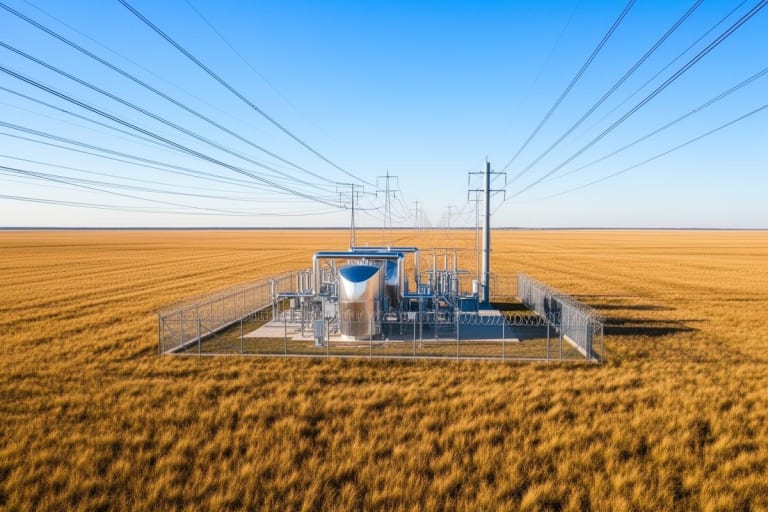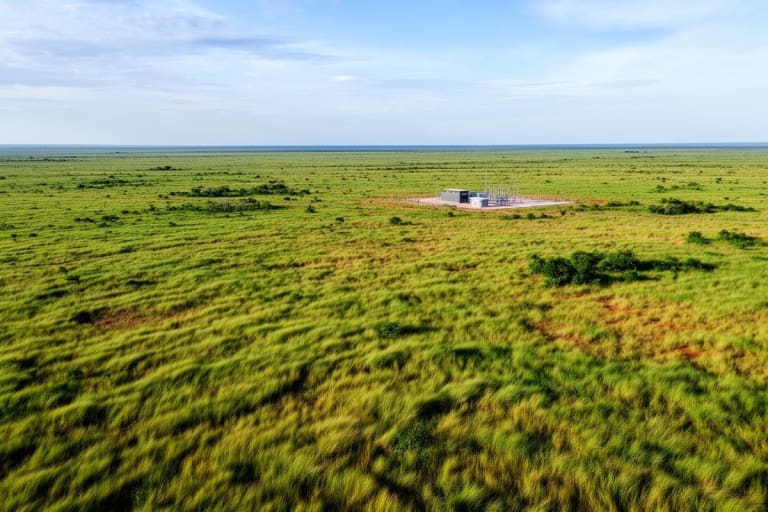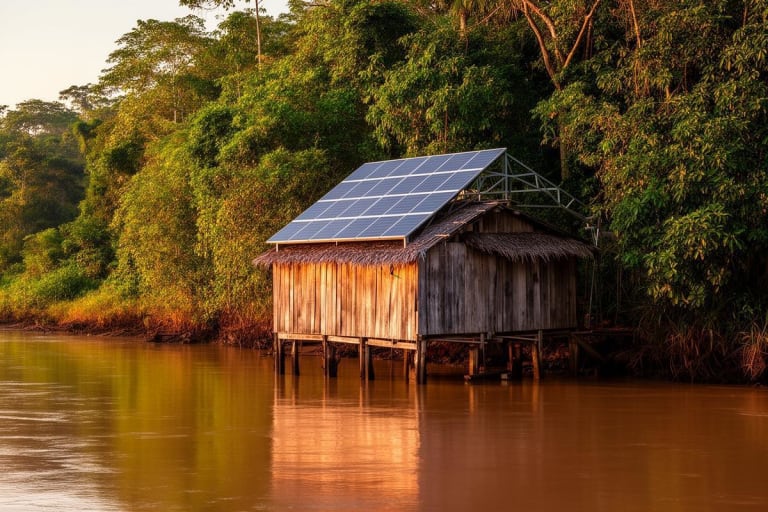
The National Electric Energy Agency (Aneel) has formalized a testing program focused on revolutionizing energy access in remote areas, enabling solutions such as smart grids and customized tariffs in the Legal Amazon.
The quest for solutions to overcome energy isolation in Brazil’s North has received significant regulatory backing. Aneel’s board of directors unanimously approved on Tuesday (September 15) the project titled Regulatory Sandbox Energias da Floresta (Energy of the Forest).
The initiative paves the way for implementing experimental models of energy distribution, management, and billing in communities that have historically been underserved or received inadequate service.
The program, whose foundations were structured after a series of public consultations held in the first half of the year, focuses on bringing innovation to traditional populations—including Indigenous, Quilombola, and riverside communities.
The temporary relaxation of existing regulations will allow companies and organizations to test decentralized generation arrangements, aiming to replace fossil fuels and optimize operational costs in these territories.
Innovation with a Social and Collective Focus
One of the model’s major aspirations is the creation of energy communities. Under this structure, residents themselves will play an active role in operating and maintaining local infrastructure.
Although technical responsibility and public distribution service will remain under the purview of energy concessionaires, local associations will be able to manage consumer units collectively, optimizing the use and sharing of energy resources.
As highlighted by Aneel director and rapporteur for the process, Gentil Nogueira, the experimental environment will respect legal limits, maintaining the integrity of the Social Electricity Tariff.
However, the sandbox allows for simplifying access to this benefit and designing new tariff formats adapted to the socioeconomic reality of isolated regions.
Technology and Sustainability in Practice
The project’s scope includes advanced tests with the so-called SIGFI (Individual Electric Power Generation Systems with Intermittent Sources) and MIGDI (Isolated Micro-systems for Electric Power Generation and Distribution).
In addition to installing new grids, the experiments include:
- Integration of renewable sources, such as biogas and biomethane;
- Implementation of DC (direct current) microgrids;
- Rules for the use and remuneration of assets installed by the communities themselves.
To make the proposals viable, projects will be funded through the PDI (Research, Development, and Innovation Program) regulated by the agency. Each initiative must present a rigorous execution plan, detailing everything from technical feasibility to environmental and social impacts.
The project’s governance will be multi-sectoral, connecting universities, public bodies, and civil society. The central objective is to establish, at the end of the tests, a robust regulatory framework that allows for the replication of these technologies, reducing energy poverty and promoting sustainable development throughout the Amazon region.