Artificial intelligence is revolutionizing air conditioning, promoting comfort and savings for consumers. The technology learns habits and automatically adjusts the environment, ushering in a new era for climate control.
The way we interact with air conditioning is undergoing a significant transformation, driven by the application of artificial intelligence (AI). Modern units no longer just follow commands; they now analyze the environment, learn user preferences, and make automatic adjustments to optimize comfort and energy efficiency. This shift represents a leap in the digitalization of the sector, integrating factors such as convenience, connectivity, and automation.
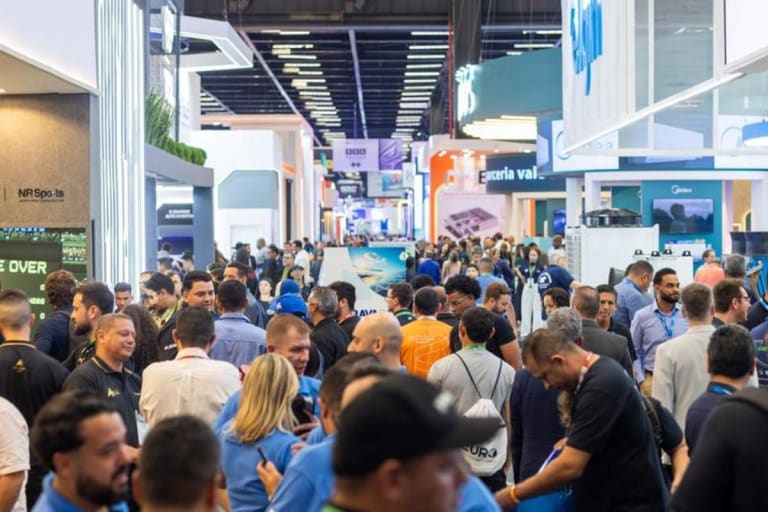
Febrava RIO, taking place from October 6-8 at Riocentro, Rio de Janeiro, will be an important platform for discussing this evolution. The event will bring together experts to discuss how AI is redefining the climate control experience, addressing crucial topics for manufacturers, professionals, and consumers.
AI: The Future of Smart Climate Control
The integration of artificial intelligence into air conditioning systems marks a new era, focused not only on performance but also on the user experience. Adaptability and intelligent energy consumption management are key points of this revolution. This trend promises to shape the future of the market, promoting more efficient and personalized solutions for each environment.
Autonomy and Energy Efficiency
In practice, AI allows air conditioners to make decisions autonomously. Upon detecting that the ideal temperature has been reached, the system can reduce its intensity, avoiding excessive cooling and energy waste. Similarly, it anticipates thermal changes, adjusting its operation before the user notices any variation. This predictive capability, according to TCL, can lead to energy savings between 35% and 38% compared to inverter units without AI.
“The main change is that the equipment stops merely reacting. By analyzing real-time environmental conditions, artificial intelligence can anticipate certain adjustments and seek a greater balance between comfort and efficiency,” explains Álvaro Ruoso, product manager for residential air conditioning at TCL SEMP.
Learning and Personalization
Beyond reacting to the environment, AI in climate control systems is beginning to learn usage habits. Smart learning features identify preferences such as ideal temperature, fan speed, and airflow direction. Over time, these settings can be applied automatically, minimizing the need for manual user intervention.
Geolocation technology in connected devices further enhances this autonomy. It’s possible to configure the air conditioner to turn on when you approach home or turn off when you leave, optimizing usage and comfort.
“The trend is for air conditioners to require fewer direct commands from the user. Based on environmental data and usage habits, the unit can make decisions about temperature, ventilation, and airflow, making climate control more automatic and natural,” adds Ruoso.
A New Climate Control Experience
The incorporation of AI represents more than just technical evolution; it signals a transformation in the climate control experience itself. The expectation is that increasingly connected systems will interpret various variables to meet individual needs in a personalized way.
“Consumers are starting to interact with equipment capable of responding more personally to their routines. For the industry, keeping up with this evolution means understanding not only new technologies but also how they are transforming people’s experience with climate control,” concludes Tatiana Rassini, manager at Febrava RIO.
Plan your visit to Febrava RIO:
- Dates: October 6-8
- Location: Riocentro, Rio de Janeiro
- Registration: Access the link
Febrava RIO will be essential for professionals and companies in the HVAC-R (Heating, Ventilation, Air Conditioning, and Refrigeration) sector to discuss the future driven by technology, sustainability, and energy efficiency.
About Febrava RIO
Febrava RIO will bring together leading companies and professionals from the heating, ventilation, air conditioning, and refrigeration (HVAC-R) sectors. The program will cover topics such as energy efficiency, cutting-edge technology, sustainability, and the transformations shaping the future of the market.