
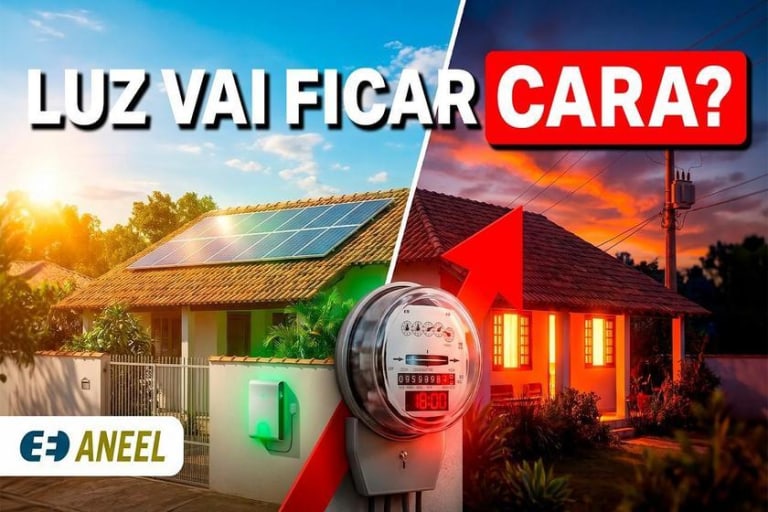
The Brazilian Association of Energy Storage Solutions (ABSAE) urges the Aneel to urgently revise the Tarifa Hora Certa, aiming to align electricity costs with the reality of renewable energy supply in Brazil.
The Brazilian energy transition is at a decisive moment, where modernizing the regulatory framework of the electric sector becomes urgent. ABSAE, the organization representing the storage sector, has positioned itself favorably toward the Aneel‘s proposal to implement the Tarifa Hora Certa as the standard for low‑voltage consumers with usage above 500 kWh/month. The measure, which seeks automatic classification, is expected to affect millions of consumer units by 2031, marking a profound shift in national consumption management.
The core of the discussion lies in the obsolescence of the current tariff tiers. Established more than a decade ago, they fail to reflect the dynamics of today’s system, characterized by high volumes of solar energy available during the day and the pressure on the grid from the nighttime load ramp. For ABSAE, the success of this initiative depends on a swift technical review, ensuring that the tariff design reflects the grid’s reality before its 2028 implementation.
The need for dynamic tariff tiers
To optimize grid use and curb waste, the association proposes creating three distinct tariff tiers. The proposed structure includes a reduced rate during periods of excess clean energy, a neutral level, and finally a high‑rate tier for peak demand periods. The goal is to create a clear price signal that encourages energy efficiency and conscious consumer behavior, reshaping the national consumption profile in favor of the stability of the National Interconnected System.
Economic viability and the role of batteries
One of the pillars championed by the organization is the viability of energy storage. According to ABSAE‘s technical projections, the price difference between tariff tiers must reach R$ 1.00 per kWh. This differential is considered the break‑even point necessary for investments in technologies such as residential batteries to offer an attractive financial return, estimated between five and seven years for the end consumer.
Fabio Lima, executive director of ABSAE, emphasizes:
If a consumer is subject to the time‑of‑use tariff, they need to see the benefit on their bill. With hours that align with system operation and a clear price difference between periods, they can shift their consumption—whether by changing habits or investing in technologies like storage. This optimizes the use of networks and plants and reduces systemic costs for all consumers, including those not on the time‑of‑use tariff.
Impact on the electric system and next steps
The current context underscores the urgency of this change. Recent data show that waste from renewable sources reached 4.24 GW of average capacity in 2025, highlighting a systemic failure to harness available resources. At the same time, costs associated with transmission capacity and flexibility remain on an upward trajectory, burdening consumers.
ABSAE expects that aligning consumption patterns with periods of higher renewable energy supply will allow the electric sector to lower systemic costs and foster a more resilient infrastructure. The next step now depends on progress in discussions at Aneel and the agency’s ability to calibrate these market signals effectively, ensuring that the transition to the time‑of‑use tariff is, above all, a driver of efficiency for the country.