
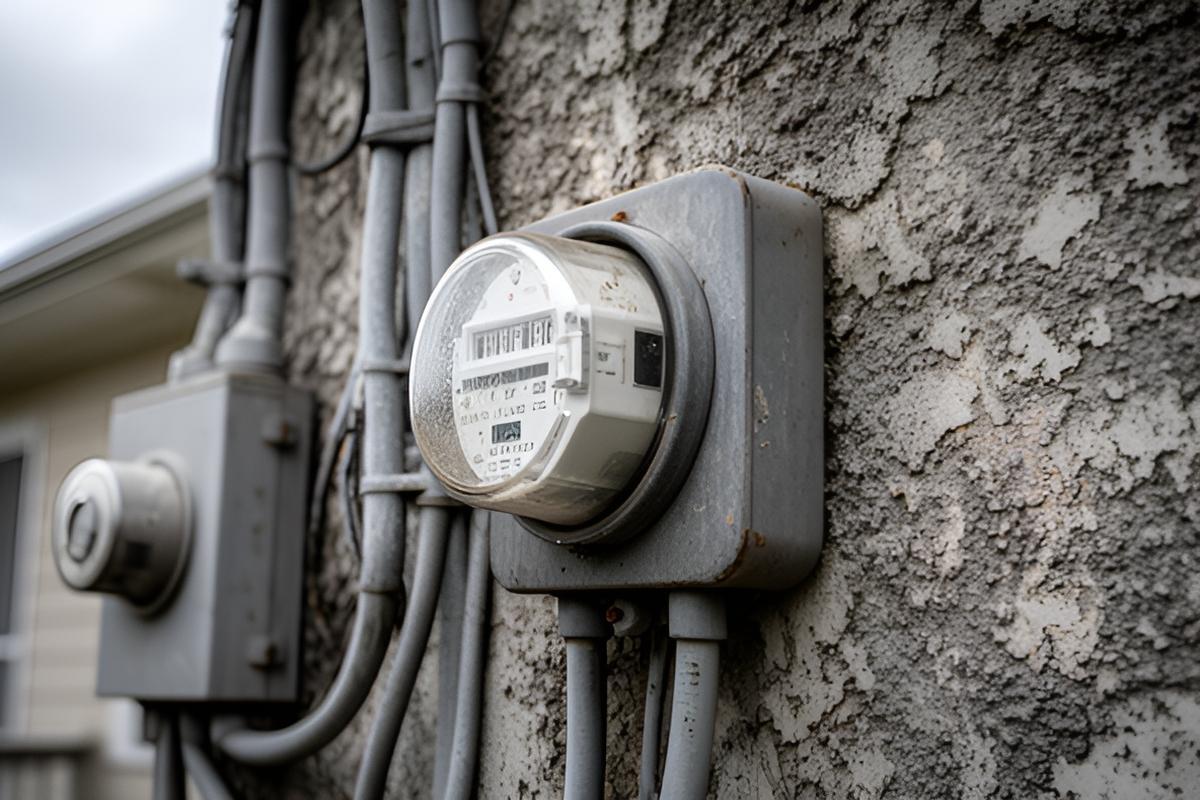
A Abradee advocates changes to the tariff structure for the Distributed Generation sector, proposing distinct billing rules for local and remote modalities to balance the electric system.
The Brazilian Association of Electric Energy Distributors (Abradee) has presented a proposal that promises to energize the renewable energy sector in Brazil. The measure focuses on revising the tariff structure applied to consumers of Micro and Mini Distributed Generation (MMGD), aiming for a clear distinction between local and remote generation models.
The debate gains momentum at a time when the rapid expansion of decentralized solar technology pressures the infrastructure of distribution networks. The organization argues that network maintenance and sectoral charges need new guidance to ensure the financial sustainability of distributors without compromising the economic viability of photovoltaic projects.
A new logic for the electric system
Abradee’s proposal seeks to address one of the market’s biggest concerns: cross-subsidization. The core idea is that the distribution system usage tariff should be calculated considering the particularities of those who generate power on the same site as consumption and those who inject power into distant units through net metering credits.
According to the association, the current rule does not adequately reflect the operational costs imposed on the distribution network by remote GD. By segmenting tariffs, the goal is for each group to contribute more equitably to system costs, preventing the maintenance burden from being passed on to consumers who do not have their own generation systems.
Seeking tariff balance is essential for a fair energy transition, ensuring that all system users contribute proportionally to the infrastructure services that enable consumption and energy exchange.
Scenario and next steps
Abradee’s movement is expected to spark intense debate at Aneel (National Electric Energy Agency). The solar energy sector, represented by associations such as Absolar, is likely to review the proposal cautiously, fearing that potential tariff increases could slow investment momentum and the democratization of clean energy access.
The impact of this measure will be closely monitored by industry companies, investors, and end consumers who use distributed generation to reduce their fixed costs. The next step involves a technical analysis by regulatory bodies, which must weigh the need to update tariffs against maintaining incentives for sustainable energy sources in the country.
The decision on the future of tariffs for MMGD will be a watershed moment for legal certainty and predictability in Brazil’s electric sector in the coming years. The discussion will not only shape the profitability of current projects but also determine the breathing room for expanding renewable energies in the national energy mix.