Extreme heat spurred record-breaking energy demand, testing the resilience of Brazil’s electric grid with the help of multiple sources.
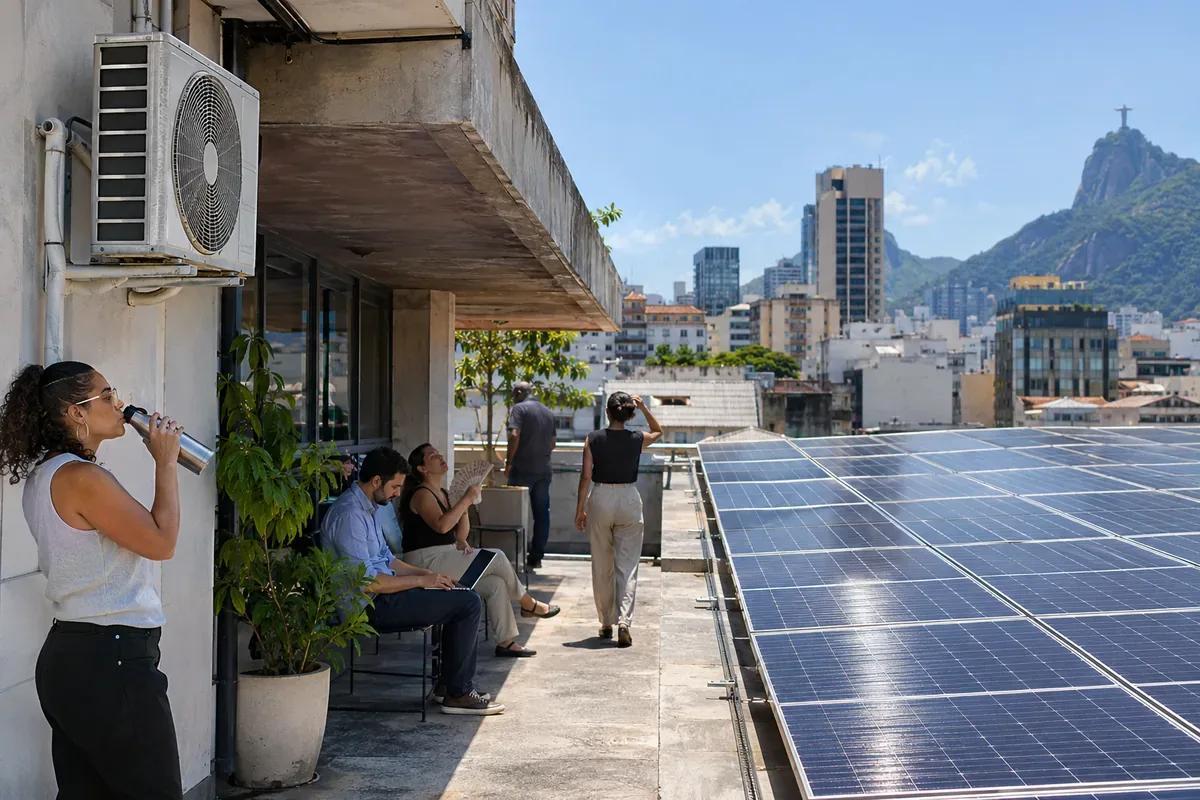
The recent period of intense heat in Brazil not only raised the thermal comfort of homes and offices through intensified use of air conditioning and fans, but also imposed an unprecedented demand on the national electric system. Three consecutive instant demand records were logged, culminating in a peak of 108.2 gigawatts (GW) on November 25 at 11:29 am. This figure represents the maximum power required by the National Interconnected System (SIN) at a specific instant, a direct reflection of increased consumption during peak hours.
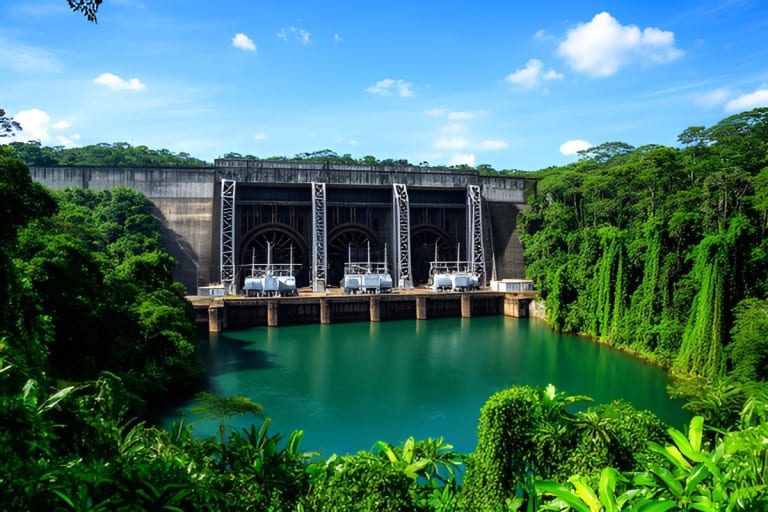
The Ministry of Mines and Energy, based on data from the National System Operator (ONS), highlighted the coordinated operation of various energy sources to ensure supply. Solar power, including distributed generation, worked in tandem with hydroelectric, thermal, and other renewable and conventional plants. This synergy was essential to maintain electricity supply even during periods of highest demand.
The current situation underscores the strategic importance of a diversified energy portfolio. Combining different sources allows the system to adapt to demand fluctuations and weather conditions, ensuring supply stability and security. However, it is crucial to interpret the data correctly and not attribute the sole responsibility for maintaining the system to a single source, such as solar.
Demand Peaks and System Complexity
The demand records were not confined to a single day or time. Before the 108.2 GW peak on November 25, the system had already recorded 106.6 GW on the preceding Monday at 3:39 pm, and 108 GW on Tuesday at 10:57 am. This variation in peak times shows that the challenge of meeting demand during high periods is not limited to a specific part of the day, such as late afternoon, but spans multiple time windows.
It is important to note that the figure of 108.2 GW represents an instantaneous power measurement, not the energy consumed over a month. Multiplying this value by the hours in a month would not yield the total national consumption, as it would be an improper extrapolation. The peak was brief, and calculating accumulated energy requires integrating data over the entire period.
Demand records were also felt in the North and Northeast regions. In the Northeast, for example, a peak occurred at 9:48 p.m., a time when conventional solar generation is no longer active, highlighting the need for other sources to meet nighttime demand.
The Role of Solar Energy on Hot Days
During daylight hours, photovoltaic generation—both from large plants and rooftop distributed systems—plays a significant role in meeting demand. This contribution allows other sources to adjust their output and enables the transmission network to distribute electricity among the country’s regions.
Including micro and mini distributed generation in official reports underscores the integration of these sources into system supply. Energy produced by these systems can be consumed locally, reducing load at specific points on the electrical grid. However, this participation does not exempt all solar‑panel owners from feeling the effects of extreme heat on consumption, nor does it guarantee a proportional reduction in electricity bills.
The individual performance of solar systems is influenced by various factors such as solar incidence, cloud cover, ambient temperature, panel orientation, and maintenance. On extremely hot days, the consumption of appliances like air conditioning can quickly exceed local generation capacity, demonstrating that energy self‑sufficiency at all times of day remains a challenge.
The Need for Energy Diversity and Flexibility
Electricity demand and production constantly fluctuate based on the time of day, region, and weather conditions. For this reason, hydroelectric, wind, thermal, and other generation sources are essential for meeting energy supply. The transmission network, in turn, serves as the link that connects producing and consuming areas, ensuring efficient distribution.
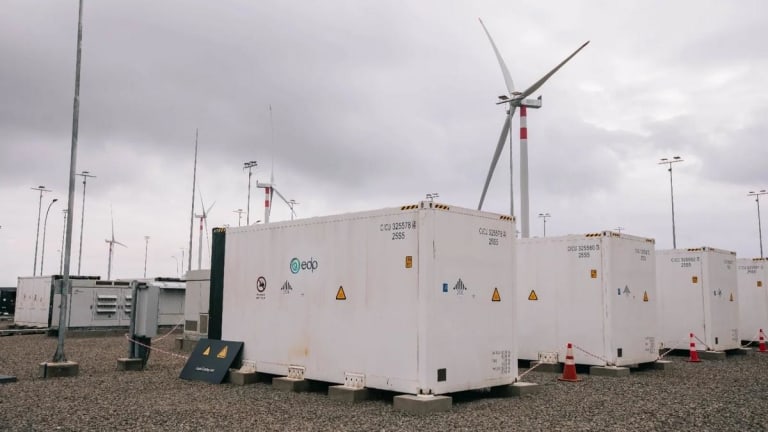
Solar panels, while essential for daytime generation, do not produce power at night. Even during daylight hours, the grid requires flexibility to respond to unexpected variations, such as changes in cloud cover or load fluctuations. Energy storage systems could help manage this, but their adoption is not yet universal.
The Ministry of Mines and Energy has identified the complementarity among sources as the key factor for full service during peak demand. Without detailed real‑time dispatch data for each source, it is difficult to precisely quantify each source’s percentage contribution to supply security. The record demand itself does not indicate system insufficiency; on the contrary, it demonstrates the system’s responsiveness under high‑demand conditions.
Consumer and the Future of Energy
On hot days, consumers can adopt measures to optimize the use of their air‑conditioning units, such as adjusting the temperature, cleaning filters, and regulating usage time. A solar system or a specific tariff does not eliminate the financial impact of devices running for extended periods.
For those planning to install solar panels, careful sizing based on historical consumption from bills, including the hottest months, is essential. The estimated production should account for geographic location and the local distributor’s rules, without promising complete self‑sufficiency at all times of day.
The recent record of 108.2 GW underscores the importance of combining renewable generation, such as solar, with other energy sources and a robust grid infrastructure. Solar power played its role during peak periods, but the facts do not support attributing exclusive responsibility for national supply to this source. Future energy security will depend on the continued evolution and integration of all these components.