

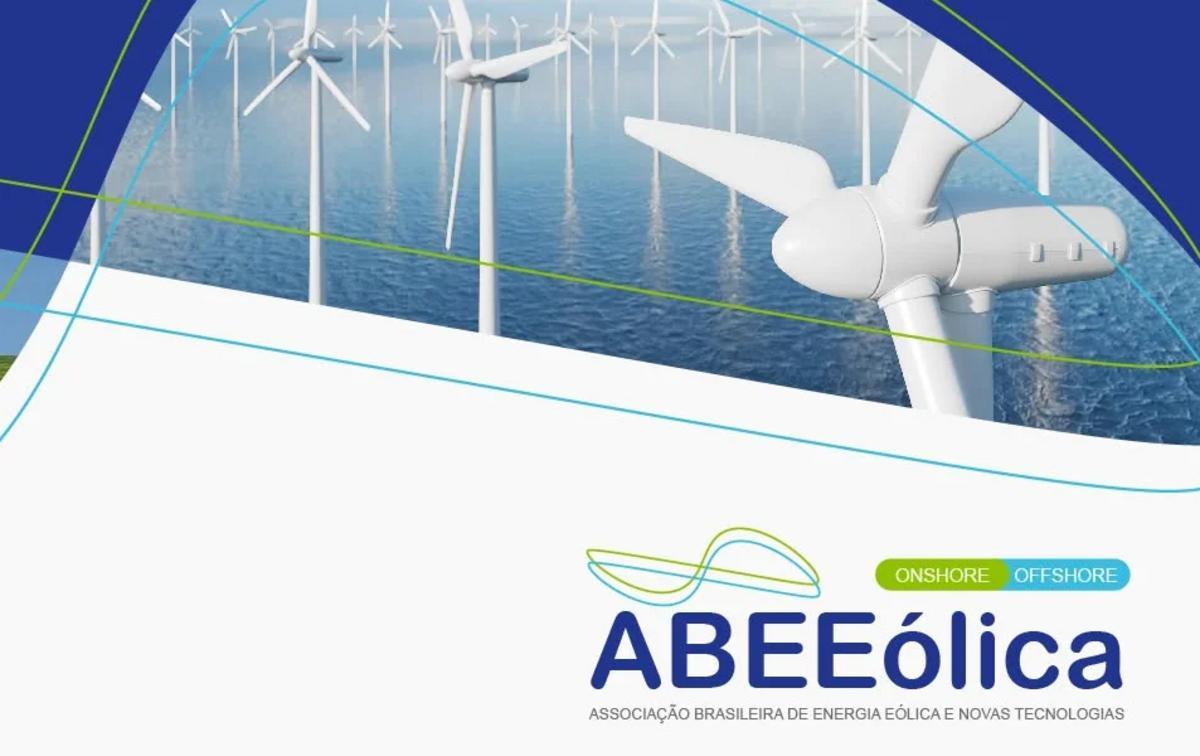
The ABEEólica argues that the cost of battery storage in Brazil should be shared among all users, aiming to reduce system charges and replace expensive thermal plants.
The Brazilian energy transition is at a strategic inflection point with the discussion around Bill 3,716/2026. At the heart of the debate, the Brazilian Association of Wind Energy and New Technologies (ABEEólica) calls for a structural change in the model for contracting battery storage systems, arguing that the financial burden of this technology should not fall solely on generators.
For the organization, implementing 4.5 GW of batteries is a crucial step to ensure the security of the National Interconnected System (SIN). By positioning storage as a collective asset, the association seeks to prevent the electric sector from wasting resources on inefficient thermal expansion, advocating a shared and economically sustainable financing model.
Efficiency versus the thermal model
The ABEEólica maintains that battery technology offers operational advantages over traditional thermal plants. Without fuel costs and with flexible operation, batteries allow energy generated during abundant periods to be shifted to peak times, optimizing the use of the existing renewable fleet.
Contracting batteries can represent a lower-cost alternative to expanding thermal generation to meet peak demand, enabling greater operational efficiency for the entire system.
Studies by the Brazilian Association of Energy Storage Solutions (ABSAE) reinforce this thesis, indicating that adopting batteries could reduce system charges by up to 89%. While inflexible thermal plants worsen the surplus and force renewable generation curtailment, storage acts as a strategic lung for the SIN.
The risk of the current model
Maintaining the concentrated pass-through model to generators is seen as an obstacle to competitiveness. According to the association, if the cost is assigned only to those who generate, the price hike will be inevitable. This would occur due to the financial and tax charges embedded in the chain, which would ultimately be passed on to the consumer.
Maintaining the current model could generate between 3 and 4 billion reais in additional tax costs for consumers over 15 years, according to a study by LCA Consultores.
For ABEEólica, direct cost sharing among system users—the so‑called systemic cost—simplifies the process. This not only reduces the risk of litigation but also ensures that the auction scheduled for December has the necessary robustness to attract investors and make storage a reality in the country.
Challenges and Future Outlook
The controversy over the 6.26 billion‑real annual tariff impact is treated by the association as an accounting fallacy. The association argues that this cost is inherent to the need to expand capacity reserves and would occur regardless of the financing model. Therefore, PL 3.716/2026 does not create a new expense but reorganizes the current model to avoid unnecessary overpricing.
The success of the initiative now depends on legislative proceedings and the authorities’ understanding of the nature of stored energy. If approved, the project should transform the profile of the Brazilian electric sector, consolidating battery storage not only as a technical support but as an economic policy tool to curb electricity price escalation in the coming years.
RELATED NEWS
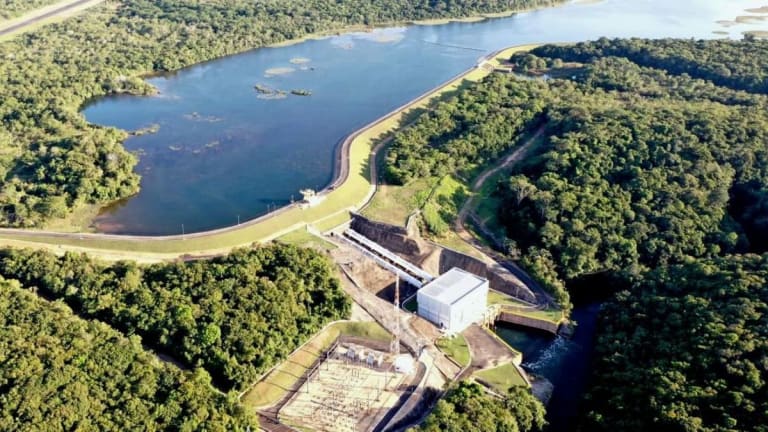 Aneel Approves Renewable Power Plants in RN, GO, and ES, Highlighting Wind and Hydroelectric Projects
READ MORE
 CEE opens registration for webinar on the evolution of financial settlement models and operationalization of financial guarantees
READ MORE
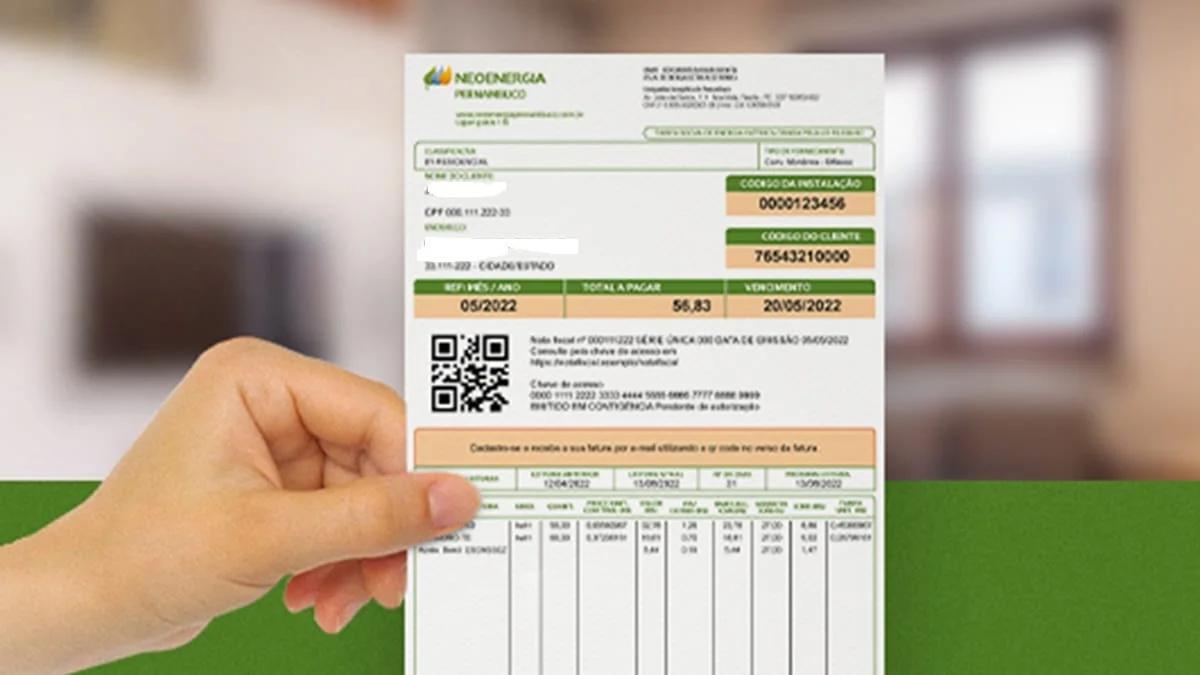 Neoenergia Evaluates Service and Billing Failures in the Federal District, Seeks Solutions
READ MORE