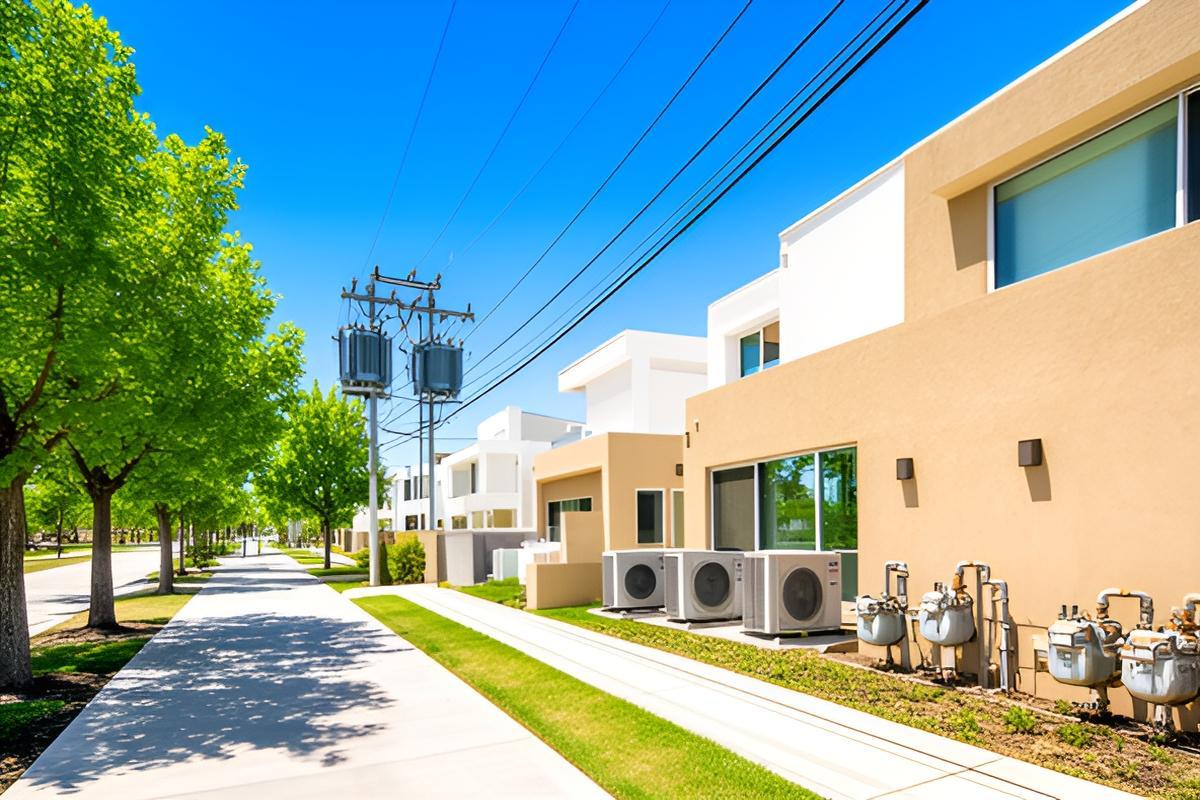
The Energisa group recorded a 5.1% increase in energy consumption in October, driven by the residential and commercial sectors, while gas use in thermal plants plunged 72.7%.
The Brazilian electric sector is experiencing a period of operational contrasts. Recent data released by Energisa show a steady expansion in energy consumption across its concession areas, reaching 4,046 GWh in October. This uptick largely reflects the dynamism of households and commercial establishments, which sought more electricity amid the country’s economic and thermal landscape.
Conversely, natural gas usage for power generation in thermal plants dropped sharply, with a 72.7% year‑over‑year decline. This drastic reduction in volumes dispatched to thermal generation points to changes in the National System Operator’s (ONS) service mix and a stricter management of available resources in the national generation fleet.
Boost in consumption and regional disparities
The growth in electric consumption was mainly driven by the residential and commercial classes, which together accounted for 91% of the positive change. Economic heating, a stronger labor market, and high temperatures that forced the use of air‑conditioning systems consolidated this trend. In retail and healthcare, energy demand also kept pace with the recovery of service activities.
Geographically, the Northeast and North stood out with the largest gains, showing increases of 10.8% and 10.1%, respectively. Energisa Acre, with a jump of 15.7%, was one of the main performance drivers in the North region, demonstrating that cooling needs significantly boosted consumption. In the South and Southeast, the picture was different, with a slight decline of 0.3% driven by climatic factors.
Improved soil moisture conditions and increased rainfall volume in areas served by Energisa Sul‑Sudeste reduced the need for irrigation pumping in the rural sector, directly influencing the consolidated results of those concessions.
Changes in the natural gas market
The significant decline in gas supply to thermal plants is explained by the targeted dispatches set by the ONS throughout 2026. The low need to operate gas plants in Espírito Santo, for example, significantly altered the company’s balance. Meanwhile, the industrial sector faced challenges, with a 12.3% drop due to operational issues and the substitution of the input with other sources such as biomass.
Despite the decline in the industrial sector, the free natural gas market showed resilience and grew by 48.6%. This phenomenon was driven by the migration of customers seeking greater tariff competitiveness and the entry of new consumer units into utilities such as Cegás and Copergás. On the other hand, the trend toward electrification of the national fleet is beginning to impact GNV consumption, which recorded an 11.7% decline during the period.
Future outlook
The consumption trajectory of Energisa indicates that, even with sectoral variations in gas supply, the electric segment continues to expand rapidly, especially in regions with lower consumption maturity. The company notes, however, that factors such as customer migration to the free market and the energy transition — with the rise of electric vehicles and the use of biomass — permanently reshape the profile of its demand.
In the coming months, monitoring weather conditions and the performance of the steel industry will be crucial. Energisa projects that, as rainfall seasonality stabilizes and infrastructure projects advance, energy consumption will continue to be guided by the behavior of Brazilian households and the efficiency of new energy and gas contracts in the market.