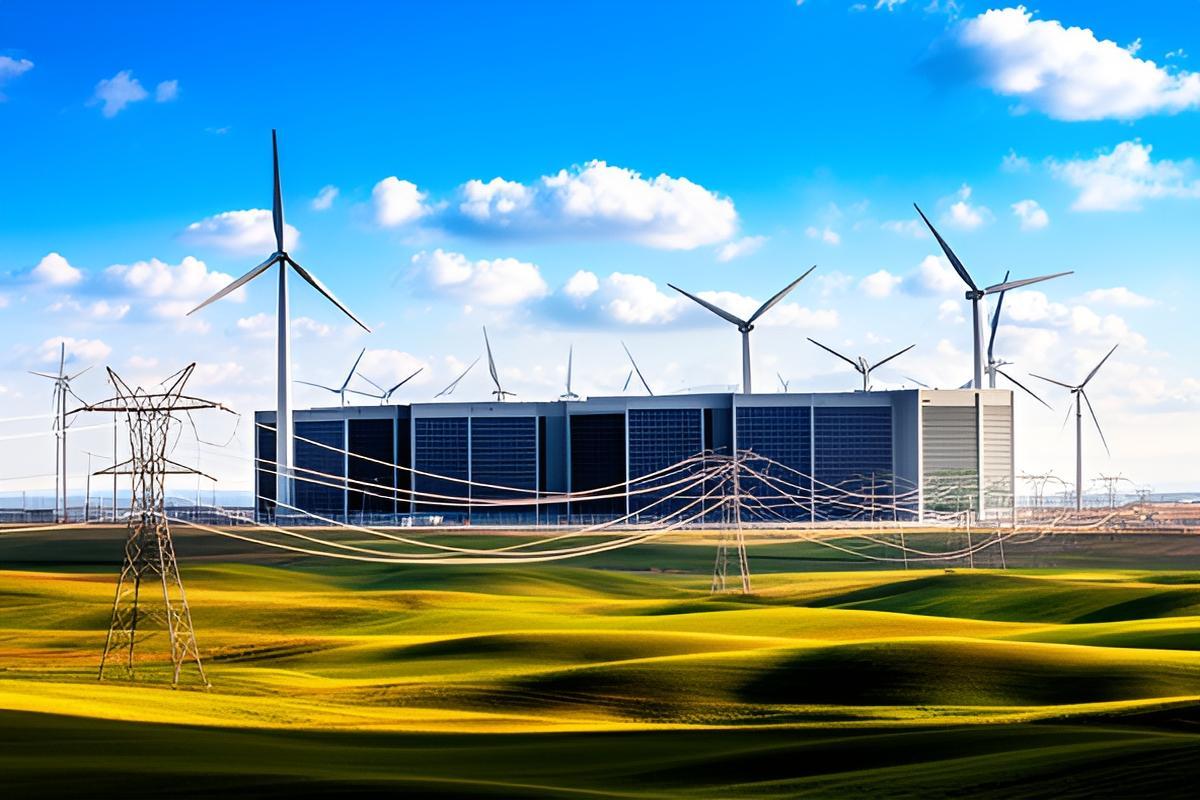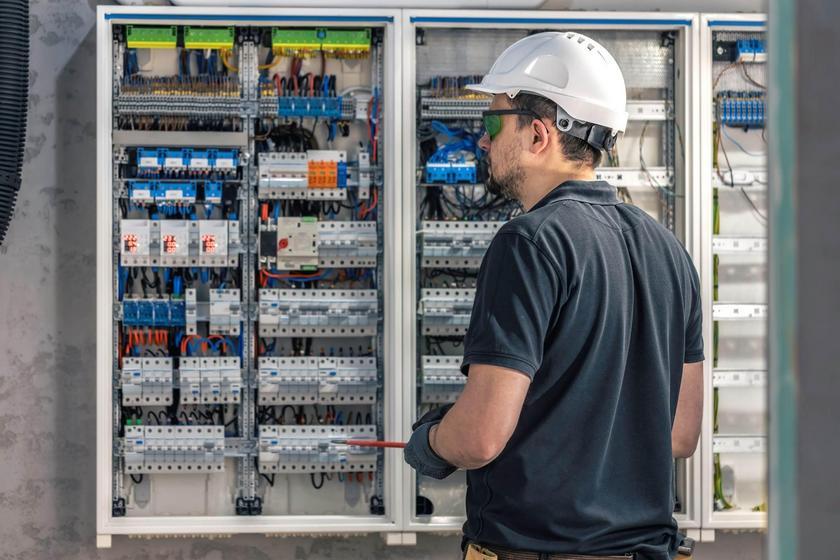
The new wording of NR-10, set to take effect in 2027, requires Brazilian industry to immediately begin upgrading its electrical panels to ensure safety in the clean energy and sustainable sector.
The update to Regulatory Standard No. 10 (NR-10), published in May 2026, consolidates the fifth revision of safety guidelines for installations and services involving electricity.
With effective date scheduled for June 1, 2027, the text modernizes the market’s requirements, harmonizes rules, and intensifies occupational risk management.
For the industrial sector, this means an urgent need to review all electrical infrastructure, placing electrical panels at the center of operational priorities.
Although a one‑year deadline may seem extended, experts warn that the complexity of the upgrade demands strategic planning.
The transition involves more than legal compliance; it also protects workers’ physical integrity and the operational efficiency of plants aiming to align with best practices in sustainability and energy transition.
The Challenge of Electrical Panels in Industry
For electrical engineer and CEO of P3 Engenharia, Jones Poffo, the schedule requires immediate attention.
The panel is the point where energy is distributed, controlled, and protected within the factory. It is also where the worker most interacts with electrical risk. Therefore, any NR-10 review necessarily involves it.
The upgrade involves verifying that equipment and their documentation strictly meet the new normative parameters.
This includes everything from updating single‑line diagrams to checking lockout devices and signage against accidental re‑energization.
Risks of Inactivity and Benefits of Early Action
Many industrial plants operate with old structures that have undergone successive expansions without proper registration updates. This practice creates vulnerabilities during inspections and increases operational risks.
Many industries have panels that have been in use for years, expanded over time without accompanying documentation. It is common to find equipment operating without updated diagrams, with erased identification, and components from different generations in the same panel. Besides posing a problem during inspections, it also poses a risk to operators and to production continuity.
Reinforced by Jones Poffo. Taking advantage of scheduled maintenance shutdowns is the most recommended strategy to avoid impacts on the production line and shortages of specialized labor as the deadline approaches.
Step-by-Step for Efficient Compliance
The compliance process should begin with a comprehensive plant diagnosis. The initial survey maps the condition of assets and sets intervention priorities.
Inventory all panels, noting installation date, maintenance history, and documentation status. With this snapshot, a qualified professional can identify what requires only paperwork updates, what needs equipment intervention, and what must be replaced.
Guided by Jones Poffo. Prioritization should focus on high-load assets, review of the Electrical Installation Record (PIE), and continuous training of technical teams.
The arrival of the new NR-10 in 2027 marks a definitive milestone for modernizing Brazil’s industrial park.
Far from being merely a bureaucratic requirement, early compliance of electrical panels acts as a catalyst for energy efficiency, reducing unplanned downtime and productive losses.
Companies that adopt a proactive stance toward the new rules will not only ensure regulatory compliance but also raise their competitiveness in an increasingly demanding market for safety and risk management.