Power generation concessions may drive tariff hikes
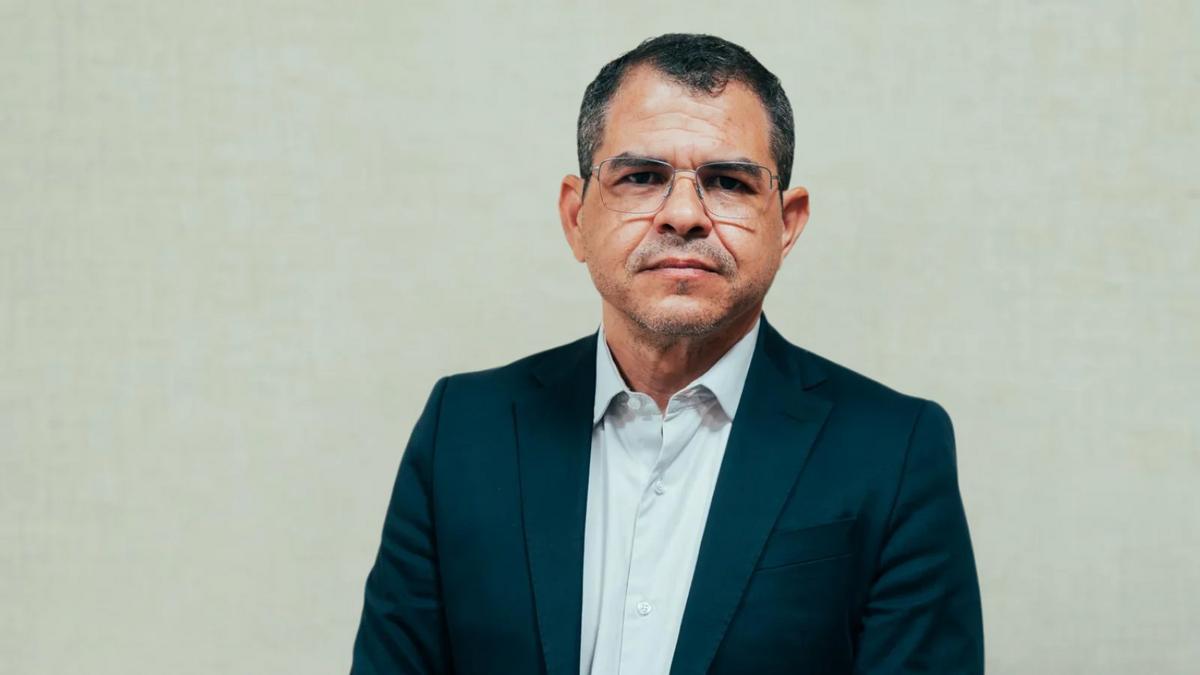
The Ministry of Mines and Energy (MME) is developing a strategy to curb electricity tariff increases through 2030. According to MME’s Secretary of Electric Power, João Daniel Cascalho, power generation concessions that reach the end of their contracts should provide significant annual contributions to the Energy Development Fund (CDE). These funds are expected to help ease tariff pressure, regardless of whether the government opts to extend existing concessions or to hold new auctions for the assets.
The MME anticipates that these annual contributions will be sufficient to bring relief from tariff rises. In addition, the ministry is working on implementing the CDE cap, established by Law No. 15,269/2025, and on a gradual reduction of electricity generation costs in the Isolated Systems. The secretary noted that subsidies for incentivized sources and for micro and mini distributed generation (MMGD) together account for almost half of the CDE’s costs, with expenditures around R$13 billion in each category.
Measures to curb tariff increases
The MME is pursuing several fronts to contain tariff hikes. Beyond generation concessions, the ministry is also implementing measures to reduce CDE costs. This includes a gradual cut in electricity generation expenses in the Isolated Systems and the enforcement of the CDE cap. The secretary also emphasized the importance of advancing a more structural agenda to keep tariffs from rising.
Changes in Pricing Methods and Market Security
The Ministry of Mines and Energy (MME) is also working on changes to the pricing approach and market security for electricity. This includes revising Decree No. 5,163 and the expectation of completing the decrees that were subject to public consultations ending in October. The secretary argued that prices could drop to zero during periods of excess supply, especially when generation cuts are necessary. Additionally, the ministry is working to raise the maximum limit of the Difference Settlement Price (PLD) so that it reflects the costs associated with periods of higher demand for hydroelectric and thermal plant dispatch.
Reducing the Settlement Window
The MME is also working to shorten the settlement window in the Electricity Commercialization Chamber (CCEE). The secretary reaffirmed the government’s intention to reduce not only the accounting period for operations but also the financial settlement period. This should bring greater market security and improve liquidity for these mechanisms. However, the proposal faces resistance from consumers who advocate maintaining monthly settlement.
In summary, the MME is working on several fronts to curb electricity tariff increases through 2030.