The Ministry of Finance has raised its 2026 IPCA estimate to 5.3%. The index, which exceeds the official ceiling, reflects currency tensions and price pressures.
The Brazilian economic landscape faces a new inflation monitoring challenge. The Ministry of Finance, through the Secretariat of Economic Policy (SPE), released on Monday, 23, an important update in its Macro-Fiscal Bulletin: the projection for the IPCA (Broad National Consumer Price Index) for 2026 was increased from 4.9% to 5.3%.
With this change, the government’s estimate surpasses the inflation target ceiling of 4.5% by 0.80 percentage points. The adjustment signals a warning about price trajectories in the coming years, even exceeding the median expectations gathered by the financial market in the latest Focus bulletin, which placed the index at 5.15%.
Pressure factors and price dynamics
The SPE justifies the higher estimate by pointing to deteriorating inflation expectations and recent results that exceeded expectations. The rise in household food costs and the impact of services were cited as the main drivers of this acceleration. According to the secretariat:
September’s IPCA was partially above the projected figure in the previous grid, especially in household food and services. Expectations also deteriorated.
Beyond basic consumption items, other weighty indicators contributed to the cautious outlook. Between August and October, the average exchange rate projection rose from R$ 5.16 to R$ 5.19. Simultaneously, the international energy commodities market lifted the average Brent oil price from US$ 87.7 to US$ 92.3, an increase of over 5%.
Long‑term impacts and sectoral scenarios
The Ministry’s report also includes projections for 2027, raising the expected IPCA from 3.8% to 4.5%. This shift is explained by a combination of factors such as inflation inertia, currency depreciation, and the adjustment of ICMS on fuels. Climatic elements, specifically the intensity of the El Niño phenomenon and the reversal of the livestock cycle, remain present in the ministry’s calculations as upside risks.
However, not all signals point to rising pressure. Maintaining the green tariff flag until mid‑2027 acts as a moderating factor, helping to curb electricity inflation. Additionally, the contractionary effect of the basic interest rate, the Selic, combined with a cooler economic activity in the second half of the year, is viewed by the government as mitigating factors.
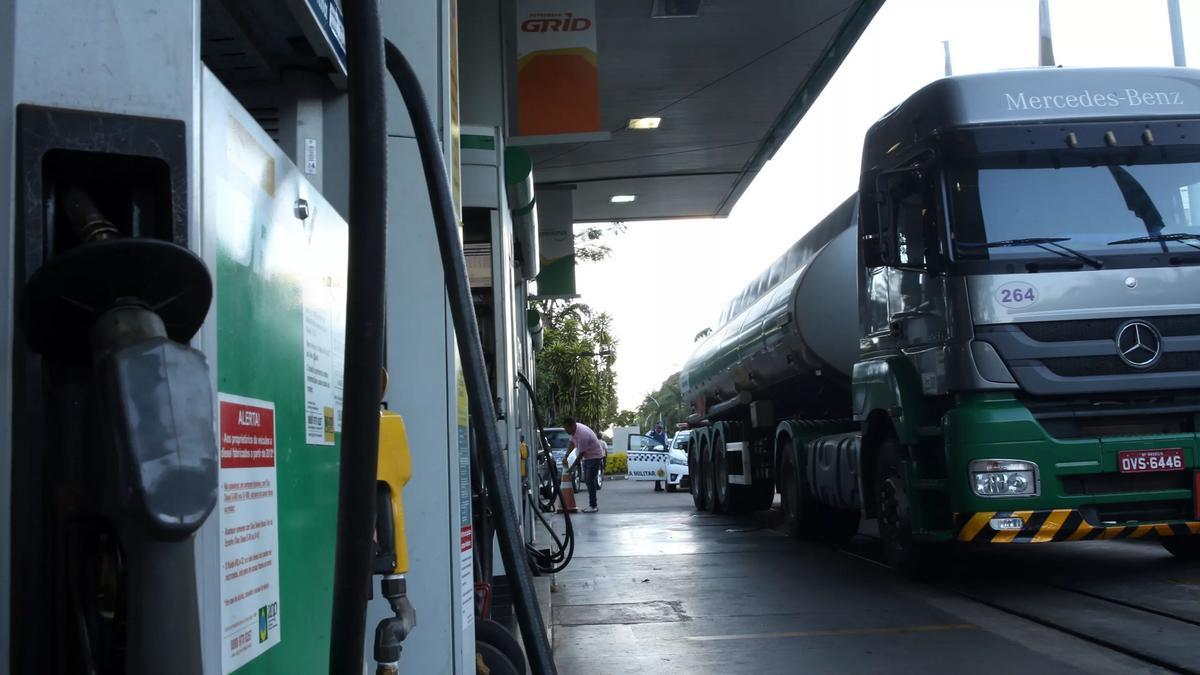
The complexity of the current scenario also involves the transition of costs resulting from the end of diesel subsidies and fuel tax breaks. While there are bearish risks—such as the temporary extension of tax benefits—the financial market and economic analysts remain vigilant about preserving fiscal fundamentals. The behavior of the INPC and the IGP‑DI, both revised upward by the SPE for 2026 and 2027, underscores the need for constant monitoring of macroeconomic indicators.
The trajectory for the coming months remains tied to the evolution of domestic economic activity and global uncertainties, with expectations for 2028 and 2029 held at 3.0%, signaling an official bet on medium‑term inflation convergence.