

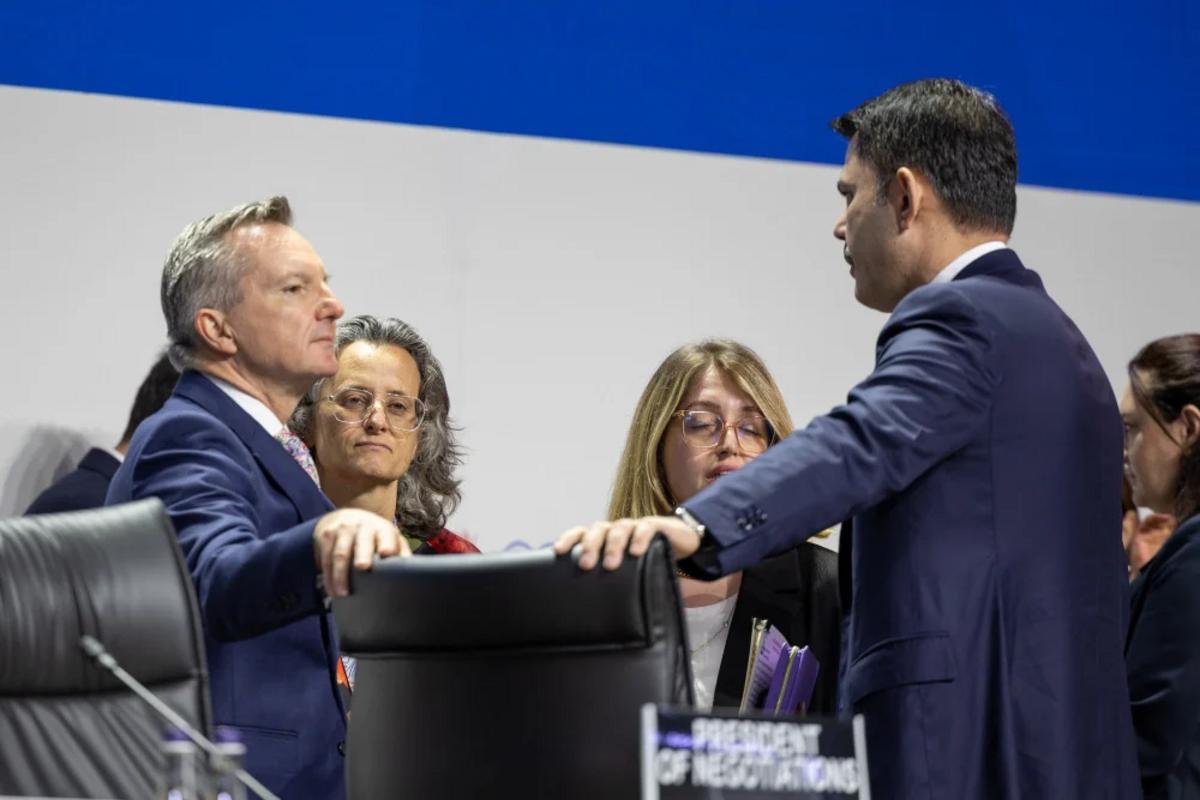
The COP31 concluded negotiations in Antalya without a final agreement on ending fossil fuels and financing, passing the diplomatic stalemate to COP32 in Ethiopia.
The United Nations climate conference, COP31, held in Antalya, Turkey, ended without the approval of a joint final statement. The deadlock occurred after intense debate rounds that extended for dozens of hours beyond the official deadline.
Faced with the proposed Antalya Pact, a coalition comprising the European Union, the United Kingdom, Latin American nations, and small Pacific islands chose to veto it. The countries argued that the lack of strict guidelines against fossil fuels made the document unworkable.
The consensus‑free closure exposes deep fissures in global environmental diplomacy. The outcome not only deepens mistrust of the current summit model but also transfers a heavy load of pending negotiations to COP32, which will be hosted in Ethiopia.
Disagreements on Fossil Fuels and Carbon Capture
The central controversy revolved around the commitment to gradually phase out oil, gas, and coal. Arab oil‑producing countries vetoed direct references to the energy transition approved at the previous Dubai edition.
In contrast, these nations pushed for the inclusion of targets focused on carbon capture and storage technologies, known by the acronym CCUS. The maneuver was seen by European and Latin American observers as an unacceptable setback.
Frustration gripped diplomatic leaders at the end of the plenary session. The European bloc’s Climate Commissioner voiced harsh criticism of the current decision‑making format of the UNFCCC convention.
“The central weakness of the system is clearly that a minority, however small, has the power to derail the entire process.”
Funding Stalled and Civil Society’s Response
Another critical paralysis point involved setting funds for climate adaptation in vulnerable countries. The goal of reaching the US$ 120 billion mark stalled due to resistance at the funding base.
Despite the overall frustration, experts and non‑governmental entities assessed that vetoing the weak text prevented an even greater harm to the global environmental agenda. The refusal stops the formalization of setbacks in historic commitments.
For members of technical cooperation networks, the political pressure exerted on the event’s presidency reinforced the need to respect the urgency indicated by climate science.
“The parties did not agree to a less ambitious text than previous ones, refused to accept setbacks in mitigation and in recognizing the importance of science.”
The Turkish‑Australian leadership’s conduct was also criticized for creating distractions during the decisive moments of official talks.
“No one called for a cover decision. It was announced by the Presidencies to serve their own interests and ended up diverting time and attention from the negotiation rooms.”
Parallel Advances and the Transition Agenda
Even without the main pact, technical areas recorded spotty progress on structuring agendas. One focus involved detailing guidelines for a just transition and mechanisms for social resilience.
Social movement entities highlighted that maintaining prior guarantees ensures the continuity of essential work, preventing the loss of rights won in previous meetings.
“The decision to operationalize it in stages is not the outcome we seek, but it is important to recognize that we have not lost the gains achieved at COP30 in Belém.”
Meanwhile, sectoral initiatives gained momentum, with more than twenty nations presenting individual plans to replace fossil fuels with clean systems and massive electrification programs.
Implications in the Energy and Regulation Landscape
While global debates seek solutions, the business and regulatory environment in Brazil reflects the energy transition’s movement across various operational fronts.
The mining sector faces apprehension after regulatory bodies pointed to instability at the National Mining Agency (ANM), potentially impacting the regulation of critical minerals in the country.
In the storage sector, ABEEÓLICA has taken the Supreme Federal Court to challenge battery cost rules in auctions, while the domestic industry secures its first approvals from BNDES.
The natural gas market records new import contracts from Argentina to meet industrial demand, while legislative proposals in the National Congress debate extending subsidies for diesel fuel.
The absence of a final document at COP31 highlights the growing complexity of aligning divergent economic interests with global emission reduction requirements.
Without consensus in Antalya, Ethiopia will bear the responsibility of reorganizing financing terms and accelerating the phase‑out of fossil fuels at the next COP32.