

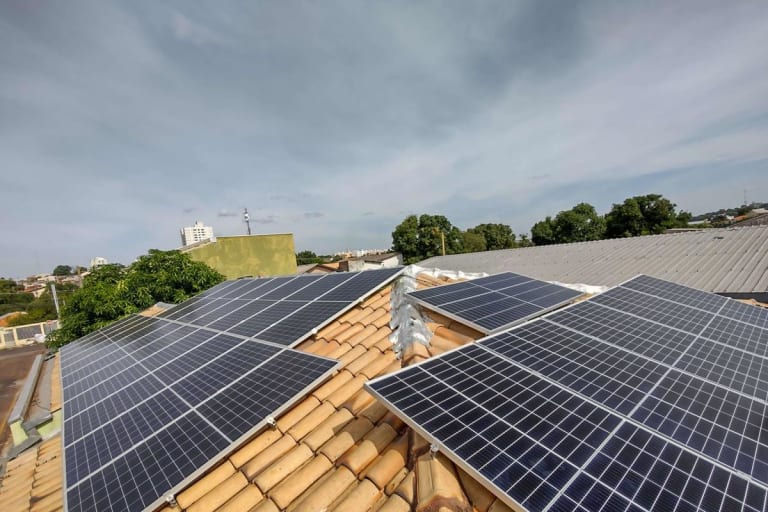
A $395 million accounting error in Brazil’s electric sector prompted Aneel to approve new rules for 2027, ensuring that solar energy credits remain intact.
A systemic failure in accounting for electricity generated by small systems in Brazil exposed a significant financial distortion in the regulated market. Between October 2024 and June 2026, roughly $395 million of excess clean energy was omitted from the official balances coordinated by the CCEE. The issue highlights the rapid growth of decentralized generation in the country, which is already significantly altering the traditional flow of distribution networks.
In response, the board of Aneel approved a transitional measure set to take effect in January 2027. The primary goal is to correct how excess electricity is calculated by utilities, without directly altering the credits accumulated by consumers who have photovoltaic panels on homes, businesses, or rural properties.
The Impact of Solar Excess on the Grid
The substantial growth of micro and mini distributed generation has reshaped the national electric system’s profile. During peak solar hours, thousands of producing units inject excess electricity into local grids. At times, this volume exceeds the instantaneous consumption of all customers served in the same region.
According to data presented to the regulator, the average monthly excess surged in recent years. In 2025, the average reached 109 megawatts, peaking at 211 megawatts in August. By the first half of 2026, the average level rose to 140 megawatts, representing an increase of about 28% compared to the previous period.
Because the previous accounting model set negative net loads recorded by distributors to zero, this energy continued to circulate physically but disappeared from formal records. The result was a distortion that artificially reduced the losses attributed to the basic network, affecting 56 utilities throughout 2025.
The Interim Solution and Next Steps
To address the distortion before a definitive rule is established, Aneel has decided that the energy surplus must be properly integrated into the utilities’ balance sheets. The change will allow these volumes to participate in short‑term market settlements, using the PLD as the valuation benchmark.
Despite the multi‑billion financial movement and simulations indicating an additional R$ 31.3 million in charges that could be redistributed, the agency chose to focus first on the immediate energy impacts. Complex issues involving tariffs, contracts, and the allocation of specific charges have been forwarded for in‑depth analysis through Public Consultation No. 042 of 2026, which is open for contributions from society and the sector until early January 2027.
Regulatory experts note:
The decision does not provide a fixed and immediate discount on the next residential customer bills, but aims to bring greater transparency and balance to the accounting of the electric sector.
The regulatory transition strengthens legal certainty for investors in renewable sources. Citizens who use the Electric Energy Compensation System continue to enjoy their monthly deductions guaranteed in direct relation with the distributors, as the accounting adjustment occurs strictly within the corporate and market sphere among sector companies.