
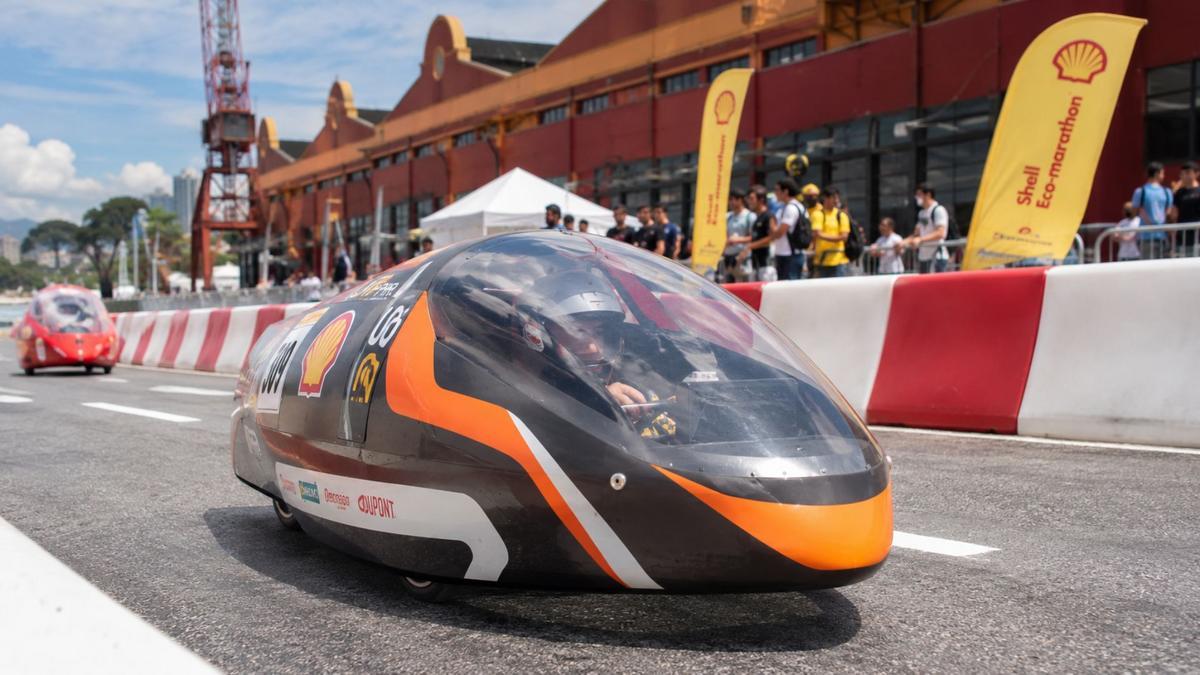
An experimental prototype developed by Brazilian students achieved an impressive 521 kilometers per liter using ethanol, standing out in a renowned energy efficiency competition held in Rio de Janeiro.
National engineering surprised again in the energy efficiency arena during the 2025 edition of the Shell Eco-marathon Brazil, hosted at Píer Mauá in the state capital. The Pato a Jato project, developed by students from UTFPR (Federal Technological University of Paraná), Pato Branco campus, set a record of 521.16 kilometers per liter with an ethanol-powered vehicle.
The impressive performance earned the Paraná institution the second overall place in the category for prototypes equipped with internal combustion engines. The top podium spot went to Drop Team, representing IFRS Erechim, which reached an index of 699 kilometers per liter in the same contest.
Understanding the track record
It is essential to emphasize that the record-setting index does not reflect the reality of conventional cars found on the streets. This is a conceptual vehicle built exclusively to meet strict regulatory requirements aimed at maximum energy efficiency.
While a passenger car must balance fuel consumption with safety, comfort, durability, and interior space, the model designed by the university students prioritizes factors such as extreme lightness and refined aerodynamics.
Building an efficiency prototype requires the perfect integration of low weight, aerodynamics, and minimization of mechanical resistances to complete the course with the least amount of fuel.
The project’s success is not limited to engine tuning. The vehicle’s structure uses laminated carbon fiber to reduce weight, while the body was designed to efficiently cut air resistance, proving that every construction detail directly impacts the final result.
Next Steps and New Challenges
Coordinated by Professor Luiz Carlos Martinelli Junior, the initiative brings together talent from various undergraduate programs and serves as a practical laboratory outside the classroom. It is worth noting that the team had already set even more impressive records on international stages, such as the 768.9 kilometers per liter achieved in a stage held in Indianapolis, United States.
With the event concluding in Rio de Janeiro, students turn their attention to securing financial resources. The primary goal of the project’s leadership is to enable the construction of a new generation of prototypes, ensuring the continuity of cutting‑edge research and technological advancement for upcoming efficiency tournaments.