

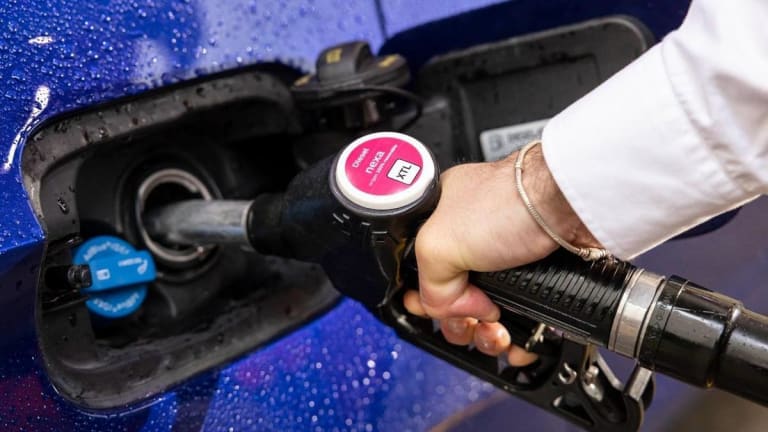
Repsol reaches the impressive milestone of over 515 million liters of Nexa Diesel sold in Spain and Portugal, solidifying the network’s expansion to roughly 1,700 stations in just two years of market presence.
The energy transition in the transport sector is gaining momentum on the Iberian Peninsula thanks to the strong results achieved by Repsol. The company’s fully renewable biofuel has surpassed the half‑billion‑liter mark, reflecting an aggressive expansion strategy and high acceptance by commercial fleets and private drivers.
The announcement was made by the multinational energy group’s Mobility Executive Director, José Barreiro, highlighting the rapid adoption rate of the product. Launched initially in October 2024 with just over 580 units, the biofuel is now available at about 1,700 service stations across the network, comfortably exceeding the targets set in the corporate strategic plan.
Sustainable origin and high performance
Nexa Diesel falls under the category of renewable paraffinic fuels, known by the acronym HVO. Developed from organic raw materials—such as used cooking oil collected in cities like Madrid, Castilla-La Mancha, and Galicia, as well as food‑processing waste—the product features a proprietary formulation designed to optimize yield and extend engine longevity.
The main ecological advantage lies in the significant reduction of carbon footprint. The company states that the feedstock cuts net CO₂ emissions by up to 90% compared to traditional fossil diesel. This mitigation occurs because the carbon released during combustion equals the carbon previously absorbed by the biomass during its life cycle.
Adoption by large fleets and industrial expansion
The product’s versatility is one of its biggest strengths, as it can be used in any diesel engine without requiring mechanical modifications or infrastructure changes. This ease of use has attracted major players in the logistics and passenger transport sectors, such as XPO, Carreras, Alsa, and Grupo Avanza.
The current numbers demonstrate a real and solid market adoption, far exceeding the expectations set in our strategic plan for sustainable mobility.
Large‑scale production is mainly supported by the industrial complex in Cartagena, launched to focus exclusively on green alternatives such as clean diesel and sustainable aviation fuel, SAF. At the same time, the Puertollano unit began operations to further expand supply for road and maritime transport.
With a fleet in Europe still predominantly powered by combustion, the shift to clean fuels emerges as a viable mechanism to decarbonize sectors that are difficult to electrify immediately. Repsol continues to invest in partnerships and commercial incentives, such as app‑based discounts, to make the alternative competitive against conventional petroleum derivatives.