

The wind energy giant Vestas has introduced an innovative system in Brazil that combines autonomous drones and artificial intelligence to revolutionize predictive maintenance across its massive turbine fleet.
The Danish manufacturer Vestas has taken a technological leap in its operations division in the country by integrating drones and AI into its monitoring routines. With an installed capacity reaching an impressive 12 gigawatts in Brazil, the company aims to protect its equipment from severe wear, boosting the efficiency of wind farms and mitigating significant revenue losses for the projects.
The project covers a robust network of more than sixty production complexes and roughly 3,200 wind turbines spread across Brazilian territory. By replacing traditional inspection methods with automated aerial sweeps, the company can meticulously map the physical integrity of the structures, focusing primarily on critical areas that suffer constant wear due to wind forces and airborne particles.
How Intelligent Inspection Works
The operational flow begins with drones flying over the turbines, capturing thousands of high‑definition images of the blades. Next, advanced machine‑learning software analyzes all visual data and isolates potential irregularities for a preliminary screening.
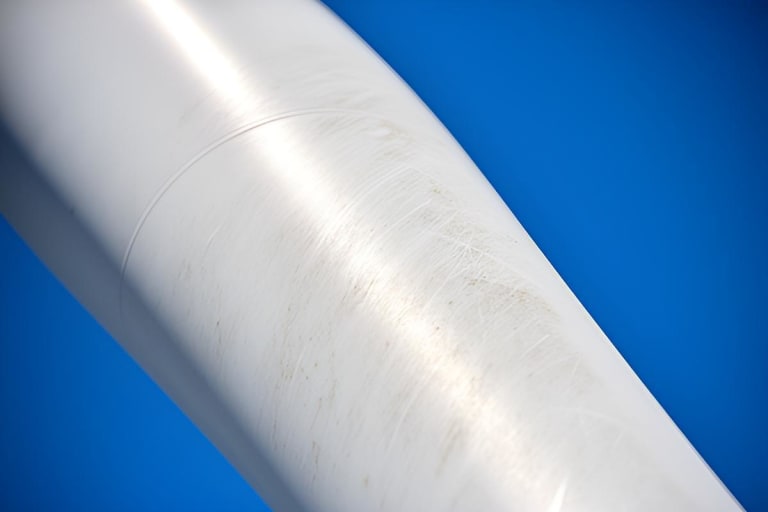
However, the final decision remains with the multinational’s engineering team. Specialists review the machine‑filtered data to determine the urgency of each intervention. Among the most common issues is wear on the blade’s leading edge, which, if neglected, can severely compromise a turbine’s energy output.
Fabiano Fortes, vice president of services for Vestas in Latin America, highlighted:
“Technology creates value when it turns data into concrete maintenance decisions. Images and artificial intelligence help us identify and pre‑categorize potential damage, but it is our specialists who validate the information and decide whether a repair is needed, an intervention scheduled, or monitoring continued. This combination allows us to anticipate, better allocate resources, and protect asset availability.”
Optimized Logistics in Brazil’s Northeast
The shift to a fully predictive model brings essential logistical advantages, especially in the Northeast, where the country’s main renewable energy hubs are located. The vast distances between generation complexes and supply warehouses used to increase machine downtime in the event of sudden failures.
With early diagnosis enabled by drones, the management of spare parts, tools, and team deployment gains surgical precision. The company can take advantage of favorable weather windows to perform complex high‑altitude services, avoiding emergency team mobilization.
Internal Innovation and Specialized Repairs
In addition to the external sweep performed by unmanned aircraft, the technology strategy incorporates small robots called crawlers. These devices glide along the interior of wind turbine blades to capture images of areas inaccessible to the human eye, revealing hidden structural failures before they become serious problems.
Another important logistical advancement occurs in the maintenance of the multiplier box. Using advanced instrumentation, technicians can repair internal sub‑assemblies directly at the nacelle top, eliminating the need to hire large cranes, whose transport and setup often represent one of the biggest financial and operational bottlenecks in the sector.
The progress in digitization consolidates Vestas’s position in the clean energy market, projecting a future where the reliability of Brazilian wind farms reaches unprecedented levels of operational efficiency and sustainability.