

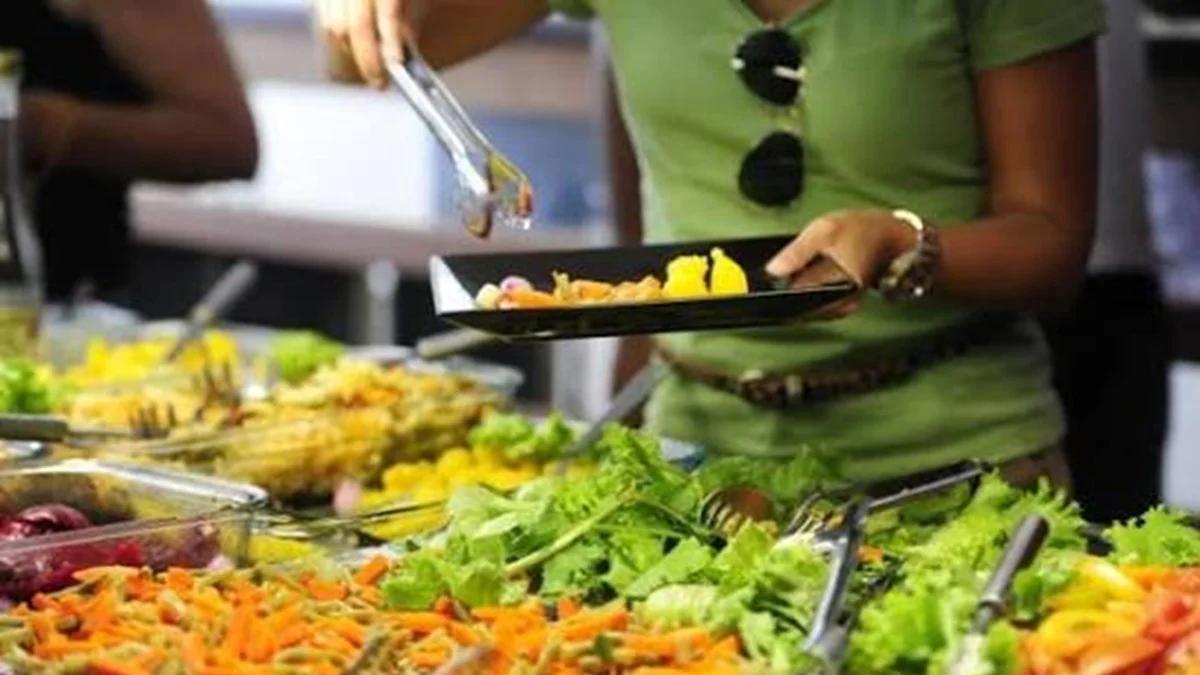
The adjustment to food and meal benefits did not keep pace with inflation, resulting in a real loss of purchasing power for Brazilian workers up to September 2026.
Brazilian workers face a constant need to adapt to corporate benefits. While the nominal values of the food allowance have shown a modest increase, inflationary pressure on basic consumer goods has outpaced those gains, reducing families’ real purchasing power and requiring stricter monthly budget management.
The Panorama Benefícios Brasil survey, conducted by Alelo in partnership with FIPE, shows that the food benefit now covers only 57.3% of an average basic basket. In the case of the meal voucher, the situation is even more restrictive, covering about 45.5% of the total 22 full meals needed for a monthly work cycle.
Challenges in maintaining purchasing power
Consolidated data up to September 2026 show that the average food benefit value reached R$493.30, representing a modest real increase of 1.2% over 12 months. In contrast, the meal voucher experienced a real decline of 1.1%, averaging R$596.60. This discrepancy between food costs and benefit adjustments makes the benefits essential but insufficient to cover all basic needs.
To cope with rising supermarket and restaurant prices, workers have altered their consumption habits. Currently, the food voucher balance is extended for about 15 days, while the meal voucher lasts an average of 22.1 days. This “spreading” of expenses, with smaller transaction amounts, is the strategy adopted to keep the benefit lasting as long as possible throughout the month.
Márcio Alencar stated:
“The indicators show that food and meal benefits continue to play a relevant role in sustaining workers’ food budgets, even in a context where inflation still pressures food costs.”
he says, the CEO of Alelo.
Regional Overview and Economic Impact
The cost of food assistance varies significantly by geographic location. The Federal District tops the national ranking with the highest average food allowance, reaching R$ 679.90. Following closely are states such as Paraná (R$ 559.30) and Espírito Santo (R$ 551.30), which also show averages above the national mean.
The importance of these payment methods is undeniable, accounting for up to 32% of the average salary of formal private-sector employees. This weight underscores the strategic significance of the PAT (Worker Food Program) for Brazil’s food security.
As food prices continue to be pressured, the trend is for companies and workers to seek greater efficiency in using these resources. The challenge for the future lies in balancing corporate financial sustainability with the need for adjustments that protect employees’ real purchasing power, preventing the benefit from losing its core purpose of basic assistance.