
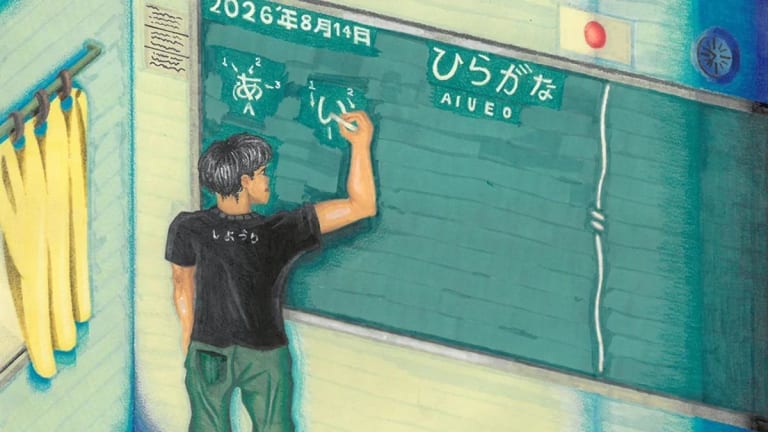
Daniel Khalil Lago Fernandes, a 15‑year‑old student from a rural school in the Federal District, surpassed more than a thousand competitors and won a prestigious drawing contest hosted by the Japan Foundation.
Artistic talent from the public schools of the Federal District has gained national recognition this season.
A young student, only 15, secured a spot among the twelve finalists of a long‑standing cultural award focused on teaching the Japanese language in Brazil, outpacing entries from public and private institutions across the country.
The achievement of the student from CED Incra 08, located in the rural zone of Brazlândia, highlights the strength of public education outside major urban centers.
The competition organized by the Japan Foundation received more than a thousand entries and celebrated the creativity of students fascinated by Asian culture.
The Awarded Work and National Spotlight
With the illustration titled “Japanese Knowledge,” the Brasília teenager convinced the jury in the thematic category that asked, “What helps me learn Japanese?”
The fierce contest featured works submitted by students from states such as Amazonas, Pará, Paraná, and São Paulo.
The overall first place went to the eight‑year‑old Paranaense Isabela Aiko Koguishi from Assaí, who entered with the piece “Bon Odori.”
Nonetheless, the presence of the Federal District among the top finishers reaffirms the artistic potential of students from the capital.
Next Steps and Cultural Visibility
As recognition for his performance, the student’s creation from Incra 08 will be included in the institution’s official calendar for 2027.
Additionally, the illustration will be part of a special exhibition open to the public at the Japan Foundation headquarters in São Paulo, starting in February.
Founded in the late 1990s, the initiative has already attracted thousands of entries throughout its history.
The project underscores the importance of cultural exchange and the expansion of free foreign language classes in Brazilian public schools.
The achievement reinforces the positive impact of public language education policies in the schools of the Federal District, connecting young people from rural areas to international initiatives that enhance educational and artistic value.
The success of the young artist at the international award serves as an incentive for new talent in the public network.
The case’s resonance raises the debate about expanding cultural opportunities and providing symbolic exchange programs for students from peripheral and rural regions in Brazil.