
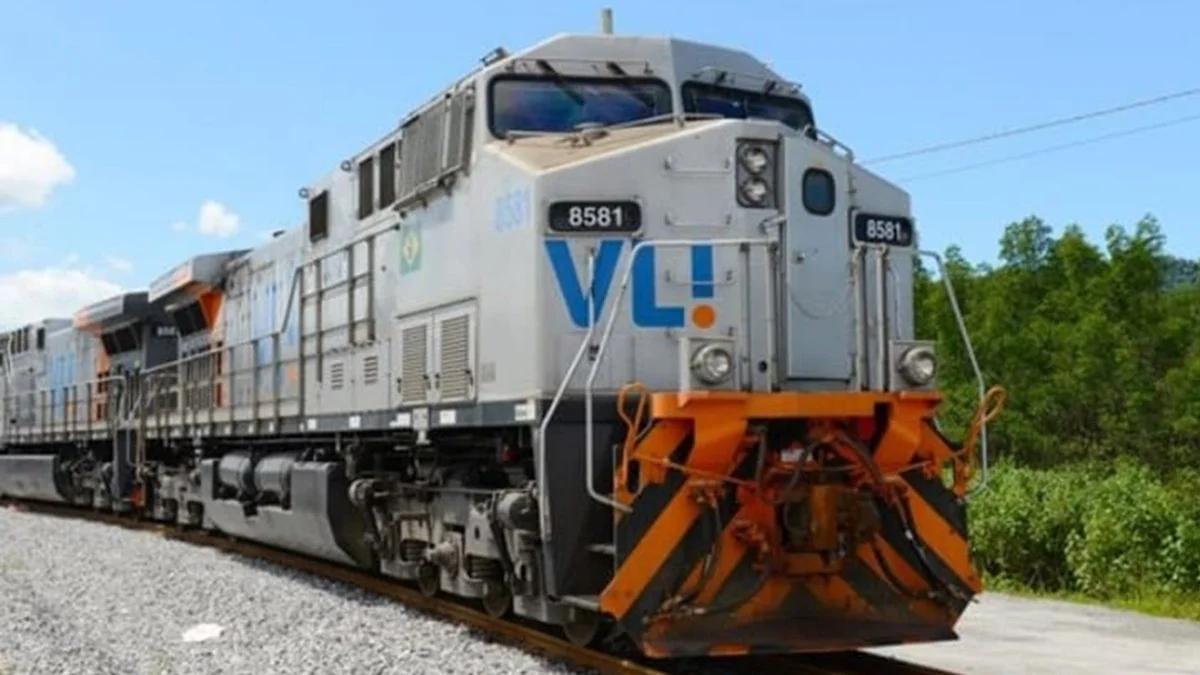
The ANTT has begun reviewing the Expresso Pequi project, a private railway that promises to connect Brasília to Goiânia in just 60 minutes, transforming logistics in Brazil’s Central-West region.
The National Land Transport Agency (ANTT) has taken a decisive step to unlock a long-standing infrastructure bottleneck in the country’s central region. The agency published in the Official Gazette of the Union the opening of the technical instruction that will evaluate the proposal from Ferrovia Brasil Central S.A. to implement the Expresso Pequi, an ambitious railway venture aimed at linking the federal capital with the capital of Goiás.
The project, backed by the Railway Legal Framework (Law No. 14,273/2021), proposes a private authorization regime lasting 99 years. If approved, the initiative will end more than 15 years of government projects that never materialized, offering a high‑speed solution for the intense commuter flow that characterizes the BR‑060 corridor.
Technical details and strategic operation
The technical design of the Expresso Pequi calls for an electrified double‑track line, intended for passenger trains capable of reaching 250 km/h. The 155‑kilometer route will feature six strategic stops: Brasília—with a direct connection to Metrô‑DF—, Santo Antônio do Descoberto, Alexânia, Abadiânia, Anápolis, and Goiânia.
The proposal stands out for its mixed‑operation model. While the priority will be transporting about 101,000 passengers per day, the infrastructure will be used outside peak hours for freight and container movement. This versatility aims to optimize the project’s financial return and strengthen the role of the Anápolis Agroindustrial Hub in the national logistics landscape.
The implementation of a high‑speed railway linking the two capitals is envisioned as a transformative vector for the Central-West, with impacts that go beyond simple urban mobility.
Impacts and Next Steps
The project is planned in four phases, with full completion expected in 2036. The first phase, which connects Brasília to Santo Antônio do Descoberto, is estimated to take three years to finish after obtaining the necessary permits. The success of the venture now hinges on a rigorous review by the ANTT, followed by environmental licensing procedures and the formalization of the adhesion contract.
In addition to cutting travel time to just one hour, the project promises to reduce wear on the BR-060 highway and stimulate socio‑economic development in the Goian cities along the route. Real‑estate appreciation and greater integration between the labor markets of the Federal District and Goiás are seen as collateral benefits, capable of reshaping the region’s demographic and economic dynamics in the coming decades.