
A new biorefinery in the United Kingdom plans to produce up to 420 GWh of renewable gas per year using seaweed, marking a step forward in the energy transition without competing with traditional agriculture.
The renewable energy sector gains an innovative shape with the progress of a pioneering project in the United Kingdom. Zenco has entered a long‑term strategic partnership with SmartestEnergy to enable the construction of a mega bioenergy facility. With commercial operations slated to begin in 2028, the plant aims to reach a production capacity of up to 420 gigawatt‑hours of renewable gas annually.
The initiative stands out for proposing a solution that moves away from traditional feedstocks. By using marine biomass cultivated in the ocean, the venture avoids pressure on arable land and saves essential water resources needed for food production, opening a new horizon for the clean fuels market in Europe.
Innovation in bioreactors and project stages
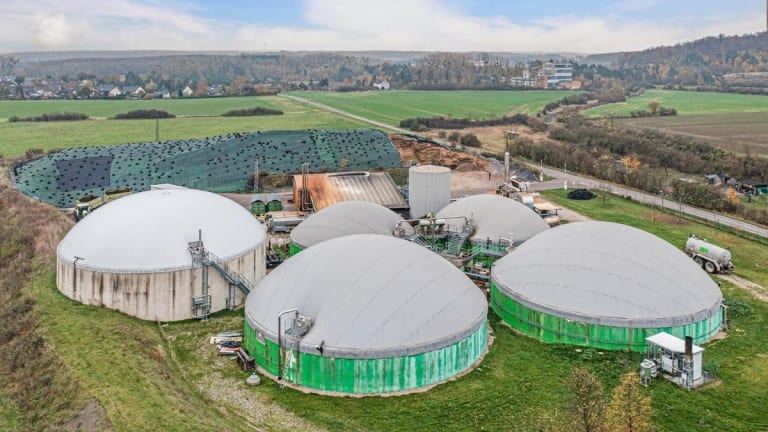
The plant operates on anaerobic digestion, a well‑established industrial process where microorganisms break down organic matter inside sealed tanks in the absence of oxygen. The result of this biological breakdown is biogas, which undergoes rigorous purification steps until it becomes biomethane, ready to be injected directly into the British grid pipelines.
Zenco’s expansion plan will be carried out in two distinct phases. The first phase will focus exclusively on injecting biomethane into the existing gas network, while the second phase will add the production of other renewable fuels. The ambitious goal is to have the unit run entirely on seaweed, although the feasibility of reaching this maximum scale still depends on the consolidation of the oceanic supply chain.
The proposal combines the use of a proven technology with a feedstock that still relies on commercial expansion, representing an important alternative to increase bioenergy without raising demand for terrestrial waste.
Guaranteed Commercialization and Government Incentives
To mitigate the market risks inherent in a project of this magnitude, the exclusivity agreement stipulates that SmartestEnergy will purchase all of the biogas produced. In addition to the physical feedstock, the company manages the marketing of environmental certificates known as RGGOs, which certify the renewable origin of the gas injected into the national infrastructure and link production directly to corporate consumers.
The regulatory landscape also favors the initiative. The UK Government recently extended the commissioning deadline for the Green Gas Support Scheme (GGSS), expanding eligibility for new plants until March 2030 under the oversight of the regulatory agency Ofgem. While the new plant’s participation still requires formal approval, the incentives strengthen the green investment ecosystem in the country.
As the 2028 opening date approaches, developers face the challenge of structuring the large‑scale harvesting and transport logistics for marine biomass. Consolidating this technological route could serve as a model for future global decarbonization initiatives, proving that oceans can play an active role in the energy security of the coming decades.