
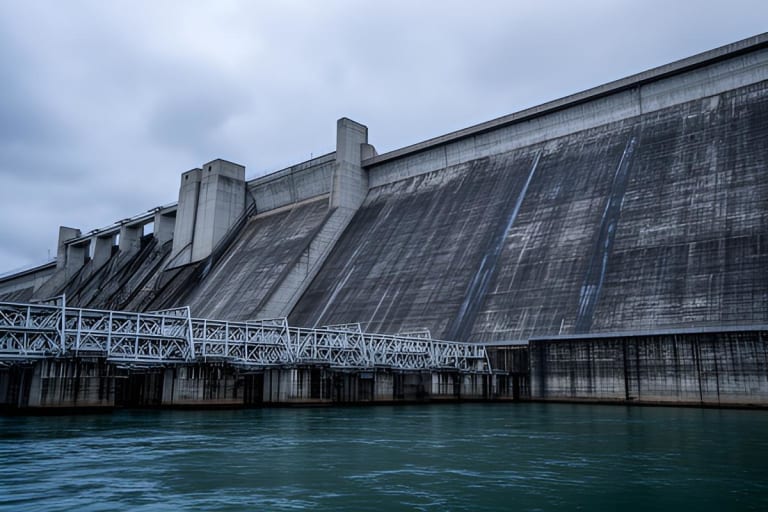
The Paraguayan government places the tariff review of the Itaipu plant as the top priority on its diplomatic agenda with Brazil, aiming to break the economic stalemate by 2026.
The energy diplomacy between Brazil and Paraguay enters a new chapter as the Paraguayan administration moves to unlock the future of the Itaipu hydroelectric plant. The newly appointed head of the state-owned company Ande, Félix Sosa, confirmed that President Pedro Alliana‘s administration has placed the issue at the center of national strategic priorities, planning an official visit to Brasília to discuss directly with Brazilian President Luiz Inácio Lula da Silva.
The main focus of the talks revolves around the awaited settlement on Annex C of the binational agreement, which sets the financial guidelines, operational model, and tariff composition for the hydroelectric plant. The diplomatic commitment gains urgency amid the exhaustion of deadlines for a definitive overhaul, creating expectations and disagreements over the price that will be charged for electricity supply in the coming years.
The financial impasse and the future of Annex C
Discussions on Annex C were supposed to conclude by the end of 2024, marking the five-decade milestone since the original treaty was signed in 1973. However, the official schedule was not met, and cost determination became dependent on temporary resolutions. Currently, the price charged for energy is set at US$ 19.28 per kilowatt, with validity stipulated until the end of 2026.
With the full repayment of the historic debt incurred for the construction of the colossal energy project, the financial landscape has changed dramatically. Without the burden of debt commitments, the Brazilian government argues for a reduction in the prices passed on to consumers, claiming that the operational costs of the infrastructure do not justify high rates.
On the other hand, the Paraguayan administration shows strong resistance to any drastic tariff cut. The political objective in Asunción is to maintain margins that allow surplus resources to be directed toward financing infrastructure projects, investments in the electric sector, and the funding of social programs promised by the local executive.
Impacts on the Economy and Next Steps
The divergence of interests puts the financial allocation of the excess energy generated by the plant at stake. Although production is split equally between the two nations, Paraguay consumes only a smaller share and sells the remainder to the Brazilian market, injecting significant foreign exchange into its economy through that sale.
Experts and regulatory bodies point out that the lack of established guidelines for the post‑2026 period creates instability in the distributors’ planning. As the hydroelectric costs directly affect the tariffs paid by regulated consumers, especially in the South, Southeast, and Midwest regions, the outcome of the bilateral negotiations will influence the budgets of millions of families.
“This decision is crucial, given that there are factors that define the country’s energy future: on one hand, the tariff level; on the other, whether the operational agreement will continue. He told me this morning that his absolute priority is the revision of Annex C of Itaipu Binacional and he plans to travel to Brasília this year to discuss this important issue for our country,” declared Félix Sosa during his inauguration at Ande.
The official trip scheduled for the coming months will test the dialogue capacity between the governments of Pedro Alliana and Luiz Inácio Lula da Silva. Achieving a binational consensus will be decisive in preventing tariff pressures and ensuring stability in the electric sector of both countries beyond 2026.