
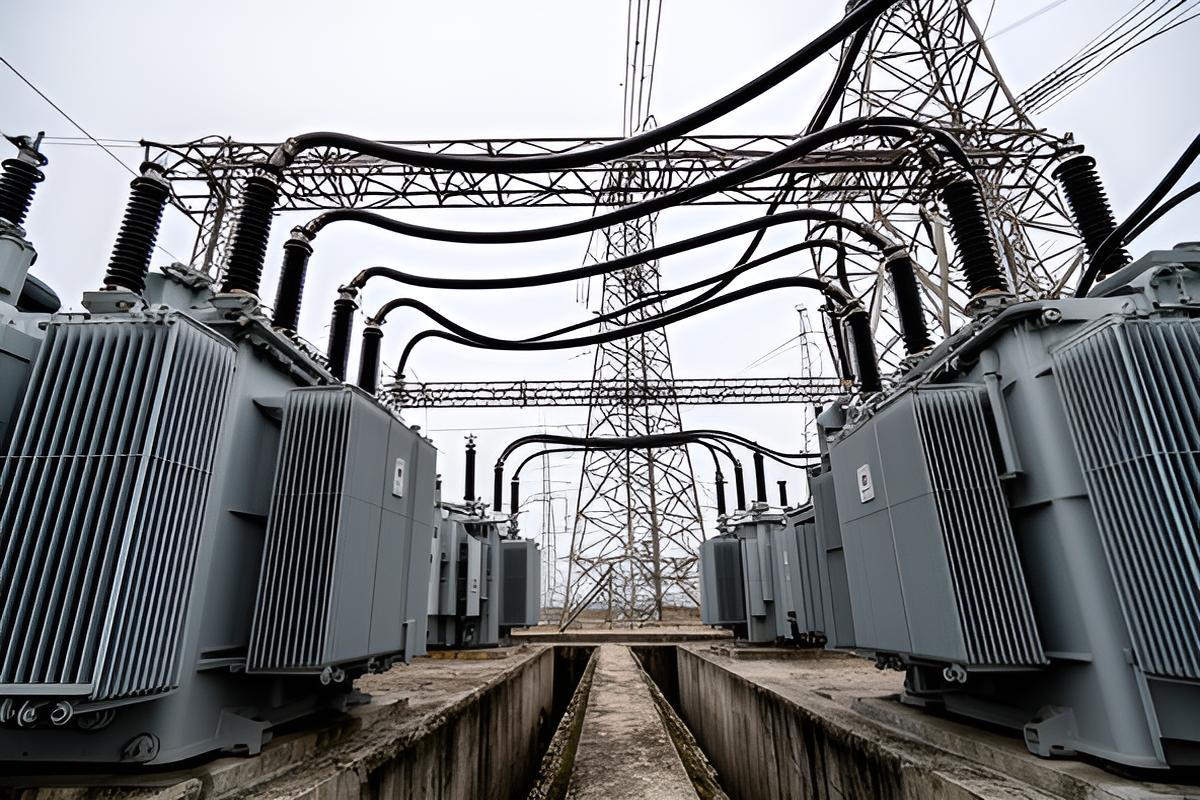
Norway has decided to immediately suspend new energy allocations for data centers until 2027, aiming to curb the national grid’s overload amid massive demand.
The Norwegian government, in partnership with the grid operator Statnett, announced this Monday (9) a highly impactful restrictive measure for the tech sector. The decision temporarily halts the granting of new grid connections for data centers, a direct attempt to slow the unchecked growth of infrastructure that now threatens the country’s energy supply balance.
The measure will remain in effect until August 2027, the deadline set for implementing a new, stricter licensing model. The urgency of the action is justified by Statnett figures: while the current installed capacity is 800 MW, the backed‑up demand—combining reserved requests, waiting lists, and new applications—reaches an impressive 27,100 MW, surpassing the all‑time peak consumption of the entire Norwegian grid.
Priority Criteria and Sector Restrictions
The government’s main goal is not to shut down the sector entirely, but to curate more strategically which projects can tap into the country’s energy. Facilities deemed essential for national security—such as defense agencies, police, critical health infrastructure, and the financial system—will receive priority treatment in the licensing queue.
Conversely, large cloud computing firms and especially cryptocurrency miners will face severe barriers. The Minister of Digitalization and Public Governance, Torgeir Micaelsen, was emphatic about the new state stance on attracting investment:
“We want data centers in Norway, but we cannot accept all types of data centers.”
Operational Challenges and Network Costs
Beyond blocking connections, the Norwegian government has imposed new financial obligations on developers. From now on, new projects must fully cover the expansion costs they cause to the grid. Additionally, large consumers may be required to invest in their own generation sources, such as gas plants equipped with carbon capture technology, reducing reliance on the public grid.
The pressure on Statnett is mounting. Executive Vice President of Finance, Cathrine Lund Larsen, emphasized that although the country is an electricity exporter, the frantic pace of requests demands billion‑level infrastructure investments, which in turn pushes up the final tariff costs for consumers and other industrial sectors.
The projection is that by 2027, Norway will be able to discipline this market, ensuring that technological development does not come at the expense of the country’s energy and economic stability. The measure aligns the Norwegian government with global trends, as European and U.S. countries also begin to question the intensive use of basic resources by digital giants.