
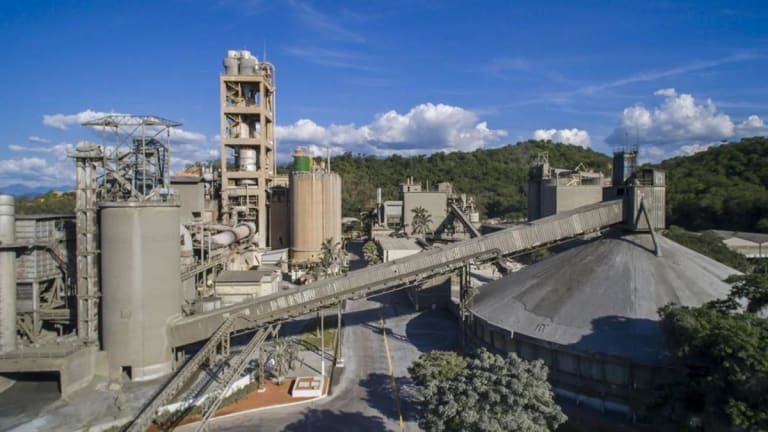
The steel giant CSN confirms the sale of CSN Cimentos to the Chinese company Huaxin Building Materials Group in a deal valued at R$ 12.7 billion, aiming to reduce financial leverage.
The Companhia Siderúrgica Nacional (CSN) has taken a decisive step in its capital restructuring strategy.
In a key announcement made this Sunday (08), the company confirmed signing a contract to divest its subsidiary, CSN Cimentos, to the multinational Chinese firm Huaxin Building Materials Group.
The transaction, which has been shaped since the beginning of 2026 through a rigorous competitive process, stands as one of the most significant moves in Brazil’s industrial sector this year.
The agreed value for the operation, the so‑called enterprise value, is R$ 12.74 billion, an amount that will still be subject to customary adjustments, such as accounting for net debt and working‑capital variations up to the final closing date.
A strategic move for financial health
For CSN, the divestiture is more than a sale; it is a central piece of its deleveraging plan.
By shedding a robust asset like CSN Cimentos, the holding aims to reduce its financial debt and rebalance its capital structure, freeing up breathing room for new investment cycles in its core steel and mining operations.
The choice of Huaxin Building Materials Group came after months of market evaluation.
The Chinese company presented the most attractive proposal, aligned with the Brazilian firm’s objectives, ending a prospecting period that involved several global interested parties.
CSN stated:
“The transaction marks a pivotal milestone for strengthening CSN‘s balance sheet, allowing the company to focus its resources on strategic assets while enabling growth of the cement division under the umbrella of a consolidated global player.”
Path to completion
Although the purchase and sale agreement (the Share Purchase Agreement) has already been signed, the final transfer of assets still depends on the fulfillment of various conditions precedent.
The timeline, which has been unfolding since early market signals in January 2026, now awaits approval from regulatory bodies and competition authorities.
In Brazil, the process will be reviewed by the Administrative Council for Economic Defense (Cade), which will assess potential market concentration impacts.
Additionally, the National Electricity Agency (Aneel) must grant prior consent, as the transaction involves assets that interface with the electric sector.
Finally, the deal remains subject to regulatory approvals required by Chinese authorities.
The CSN board expects to complete the transaction as soon as all bureaucratic steps are cleared.
Financial markets remain attentive to developments, as the sale is seen as a positive signal for reducing the group’s net debt—a factor that should influence risk perception and the company’s stock performance in upcoming B3 trading sessions.