
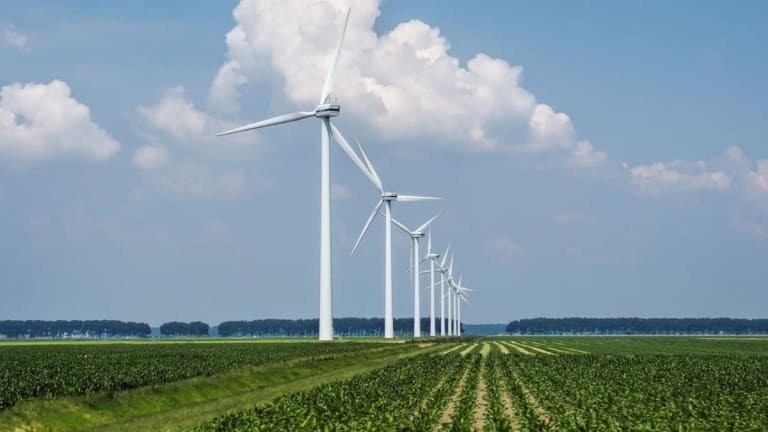
Denmark’s European Energy plans to build a 1 GW megacomplex in Dobrich, combining wind, solar and storage to drive Bulgaria’s energy transition.
The energy transition in Eastern Europe took a significant step with European Energy’s new plans. The Danish company presented the Bulgarian government with an ambitious proposal to construct a massive clean‑energy park in the northeast of the country.
The project calls for the installation of roughly 1 gigawatt of wind capacity in the province of Dobrich, a strategic area near the Black Sea and the border with Romania. In addition to conventional wind turbines, the initiative includes photovoltaic plants and advanced battery storage units to optimize the energy flow.
Official discussions took place in November 2026, with company executives and state representatives, including the Danish government, in attendance. However, the project still awaits technical and regulatory assessments before receiving a definitive green light to begin construction.
Production capacity and grid impact
If fully realized, the complex could inject about 2.5 terawatt‑hours of clean electricity into the grid each year. The hybrid configuration—combining wind, solar and batteries—was designed to mitigate the natural intermittency of these sources, ensuring a stable supply for the region’s major industrial hubs.
Energy sector analysts highlight:
Combining different generation and storage technologies is essential to efficiently meet the demand of large industrial consumers and to optimize the use of the region’s available natural resources.
Despite the proposal’s scale, the exact technical details—such as the number of turbines and the specific power of the energy storage units—have not yet been fully disclosed by the responsible corporation.
Economic Return and Bureaucratic Challenges
In addition to the energy delivery, the developer estimates that the project will inject about 200 million euros into the regional economy. The plan also foresees the creation of two hundred direct jobs during the construction period, as well as annual multi-million euro transfers to the affected municipalities over three decades of operation.
Despite the economic promises, the Bulgarian wind sector faces historic bureaucratic hurdles. Obtaining all environmental permits and land-use authorizations in the country can take up to seven years, according to studies by international bodies. Transmission infrastructure and local community acceptance also represent significant barriers that the corporation will need to overcome.
The European Energy portfolio includes projects exceeding 1 gigawatt under development in the Bulgarian market. The progress of these initiatives will depend directly on the liberalization of licensing regulations, the capacity of the national transmission grid, and ongoing dialogue with civil society and local authorities.