
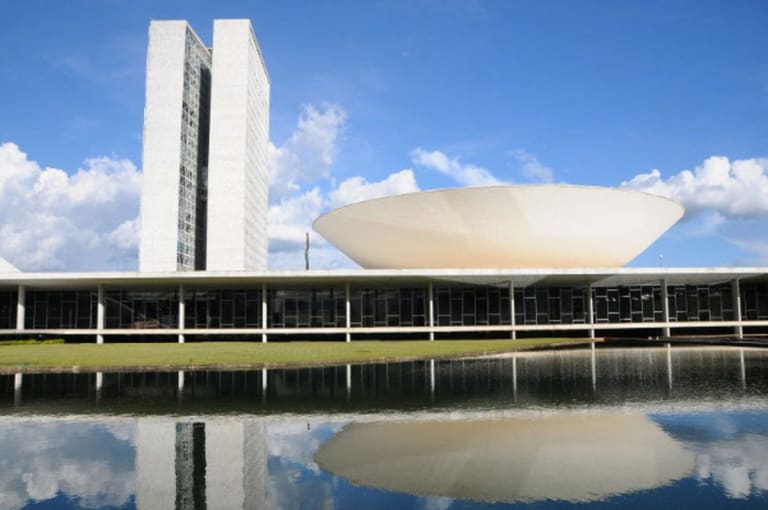
The Mining and Energy Committee of the Chamber of Deputies advanced a bill that encourages ethanol production and consumption, aiming to lower prices and promote sustainability.
The Brazilian energy transition gained a new chapter with the approval, by the Mining and Energy Committee, of Bill 2300/25. The initiative, authored by Deputy Max Lemos (União-RJ), outlines a roadmap to boost the sugar‑energy sector, focusing on subsidized credit lines, technological modernization, and streamlined environmental licensing for projects that prioritize sustainability.
The move comes at a time when the country seeks to consolidate its global leadership in biofuels. The text proposes a target plan for the blend of anhydrous ethanol in gasoline to reach 35%, surpassing the current 32% level, which was set exceptionally by the National Energy Policy Council (CNPE) for the second half of 2026.
Strategic adjustments to the proposal
The bill’s rapporteur, Deputy Rafael Fera (Pode-RO), endorsed the proposal but made surgical adjustments. The legislator removed from the text any reference to the direct sale of ethanol from plants to fuel stations, arguing that the practice is already established by Law 9.478/97 and regulated by the National Agency of Petroleum, Natural Gas and Biofuels (ANP), rendering the provision redundant.
Another significant change introduced by the rapporteur was the fiscal equality clause. From now on, any subsidy or tax reduction granted by the federal government to gasoline must be replicated, at the same percentage, for ethanol. This safeguard aims to ensure that the biofuel remains economically attractive compared to fossil fuel, preventing market distortions.
“With the goal of restoring the incentive policy for ethanol use, which has already proven competitive worldwide, and to enable consumers to pay a fair price for a more environmentally efficient fuel.”
Impact on the Energy Mix and Next Steps
The strengthening of ethanol production, primarily from sugarcane and corn, is seen as a key pillar for reducing Brazil’s vulnerability to fluctuations in international fossil fuel prices. By investing in production autonomy, the project aims to balance environmental stewardship with the need to lower the final cost to consumers.
The Bill is currently in a concluding stage and will now move to the Finance and Taxation Committee and the Constitution, Justice, and Citizenship Committee (CCJ). For the new guidelines to take effect, the text will still need final approval from both legislative chambers, the Chamber of Deputies and the Federal Senate, before proceeding to presidential assent.