
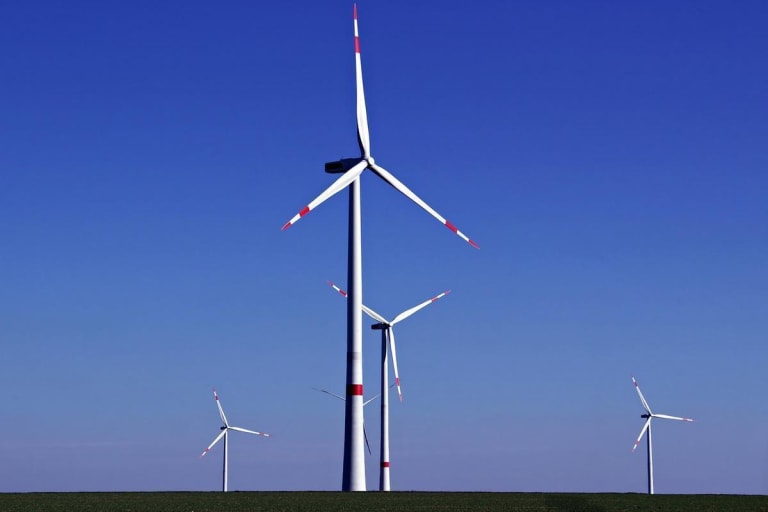
By 2040, more than 70% of global solar and wind capacity will require critical decisions on modernizing, expanding, or decommissioning older parks.
The global energy transition is entering a new phase where building new plants is no longer the sole path to expanding clean supply. As existing parks age, repowering established assets is becoming a strategic alternative to boost electricity production, optimize operating costs, and leverage already‑established electrical connections across the territory.
A recent study by consulting firm Wood Mackenzie shows that the total global capacity of wind and solar in operation by 2025 will need thorough reassessment over the next two decades. This scenario underscores the urgency for governments, investors, and utilities to plan the future of assets approaching the end of their originally projected operational life.
Economic advantages and optimized infrastructure
Choosing modernization over building new greenfield complexes delivers significant competitiveness gains. The accumulated technological progress of recent decades allows new components to generate far more electricity using the same—or even less—land area, reducing the levelized cost of energy (LCOE).
Beyond the technological benefit, reusing existing transmission infrastructure avoids severe logistical bottlenecks. As the sector highlights:
repowering eliminates the need to face long waiting lists for access to electricity distribution and transmission grids, and speeds up environmental licensing processes.
In mature markets, the location of older parks offers another substantial competitive edge. In Germany, for example, areas of plants slated for decommissioning record average wind speeds higher than those of new expansion frontiers, ensuring much higher capacity factors for upgraded turbines.
Impact on Global Goals and the Industry
Neglecting the legacy generation fleet can undermine the pace of decarbonizing the global economy. If aging assets are simply shut down without immediate technological replacement, the shortfall in clean supply could create space for a return of fossil fuels, such as coal and natural gas, to meet occasional demand spikes.
For the equipment industry, the constant drive for upgrades ensures a lasting market. Projections indicate that replacing old components will account for a significant share of new global installations in the coming decades, with particular emphasis on regions that have already established themselves in Europe, Asia, and the Americas.
The challenge for the electric sector in the coming years will be to integrate technological modernization into long‑term strategic planning. Maintaining the growth rate of sustainable generation will require not only new projects but also heightened attention to the vast generation fleet that already powers the planet.