
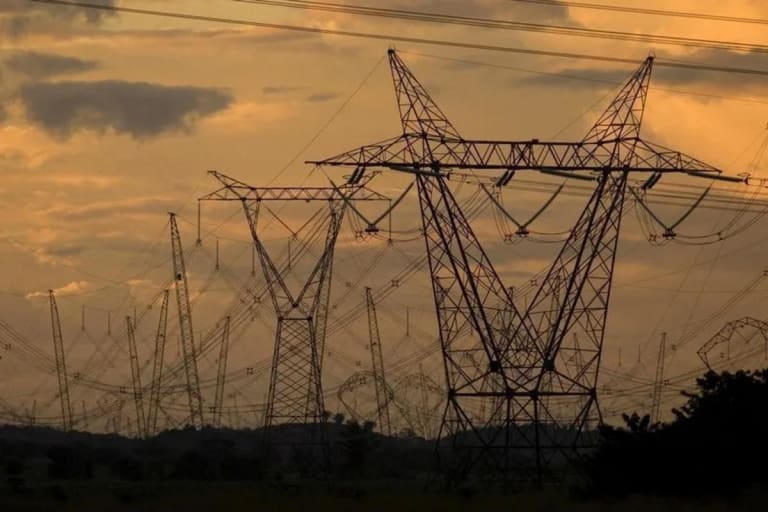
The projected drop in energy tariffs for 2027 brings relief to some Brazilian households, but the regional picture reveals stark disparities in the final bill cost.
The Brazilian electric sector is preparing for a significant shift in the upcoming annual cycle. According to a survey conducted by Thymos Energia, a consulting firm specialized in the sector, the forecast is a 2% average reduction in electricity bills nationwide starting in 2027. This data comes at a critical time for domestic inflation control, especially in light of recent Copom projections indicating pressure on the IPCA above the target set for the coming years.
The news is received with optimism by experts, given the importance of energy costs in household and business budgets. However, this national average reduction masks a regional chasm: while consumers in the more industrialized areas may feel financial relief, states in the Norte and Nordeste will face a tariff adjustment scenario, raising concerns about the social impact of this fluctuation.
Unequal regional split
The regional discrepancy has clear technical justifications. The survey indicates that the Sul will be the most benefited region, with an estimated 7.5% tariff drop, followed by the Sudeste with a 5% reduction. Stability will be concentrated in the Centro-Oeste, which is expected to record a slight decline of 0.66%. These positive numbers are supported by the reduction in tariff charges, such as subsidies applied to renewable sources and the strategic role of the Itaipu plant.
Conversely, the outlook for the Norte and Nordeste points to an upward trajectory. For the Norte, an increase of 1.29% is projected, while the Nordeste is expected to face a significant rise of 9.5%. This movement is a direct reflection of a policy implemented in 2026, when older hydroelectric plants advanced payments for concessions, creating a temporary subsidy that eased costs that year. When that benefit expires, the real tariff value returns, pressuring household budgets.
The fact that it brought relief in 2026 and then resumed tariff charges in 2027 is not understood in household budgets.
Social Impact and Future Outlook
The debate over tariff volatility is taking on a social urgency, as the Northeast region hosts a significant portion of Brazil’s lowest‑income population. Price volatility, often the result of short‑term maneuvers to ease state cash flow or subsidize sectors, ultimately hampers household financial planning, because the impact on electricity bills is felt disproportionately in the most vulnerable areas.
Going forward, the sector must monitor whether the reduction in charges will, in the long run, offset global inflationary pressures on fuels and the cost of maintaining the electric grid. While lower tariffs in the South and Southeast may boost consumption and ease purchasing power, the challenge for the North and Northeast will be to implement measures that mitigate the impact of rising costs and prevent an increase in the rate of energy bill delinquency.