
Latin American distributors face resilience challenges, says Adelat.
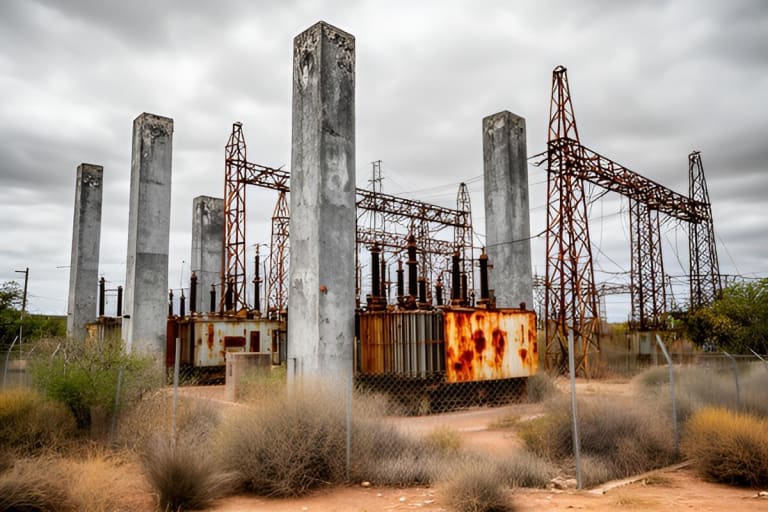
The energy infrastructure of Latin America has a resilience base considered low when compared to regions such as Europe and United States, especially in the face of increasing extreme weather events. This is the diagnosis presented by the Latin American Electric Distribution Association (Adelat). The organization points to common challenges that must be overcome to ensure supply reliability.
Adelat’s executive president, Alessandra Amaral, in an interview during the EVEx Lisbon 2026 event, emphasized that, despite the heterogeneity among the region’s countries, the need to strengthen resilience is a cross-cutting issue. She highlighted that distributors must evolve from mere network operators to managers of an increasingly complex distribution system.
The New Era of Energy Distribution
Transitioning to become a “system operator” entails new responsibilities, especially in real‑time coordination of distributed energy resources. For Alessandra Amaral, two attributes are crucial in this new scenario: flexibility and resilience.
Flexibility becomes essential with the growing volume of uncontrolled renewable energy. Resilience is imperative to mitigate the impacts of intensified extreme weather phenomena that affect infrastructure.
Alessandra Amaral explained:
“It’s more complex. It adds new responsibilities in terms of coordinating in real time distributed energy resources. And, in that sense, distributors have two attributes they must provide to the system: the first is flexibility… it’s essential as renewable uncontrolled energy increases significantly; and the second is resilience itself due to the increase in extreme weather phenomena.”
Technology and Regulation: Pillars for Resilience
The Adelat president stresses the need to define clear responsibilities and specific metrics for resilience. The transformation of distribution concessions inevitably passes through the adoption of cutting‑edge technologies.
Digitalization, the deployment of underground networks, and the use of AI‑equipped drones are examples of innovations that can strengthen infrastructure. Alessandra Amaral also highlights the importance of regulatory sandboxes to enable experimentation and adoption of these new solutions.
Identified Challenges and Opportunities
Energy resilience must be addressed holistically, covering prevention, occurrence, and recovery phases of adverse events, with clearly defined responsibilities and communication protocols.
Currently, there is a lack of metrics and specific data sets for resilience, similar to what occurs with quality indicators such as DEC (Equivalent Duration of Interruption per Consumer) and FEC (Equivalent Frequency of Interruption per Consumer).
Incorporating technologies such as network protectors, digitalization, drones, and AI requires heightened attention to cybersecurity and the LGPD (General Data Protection Law). Regulation must recognize the investments made throughout the technology lifecycle, whose obsolescence timelines may be shorter than regulatory deadlines.
Latin America faces three major macro challenges: improving system quality and resilience, developing robust digital platforms, and pursuing economic efficiency through flexible tariffs.
The path to increasing the resilience of distributors in Latin America is challenging but essential to ensure energy security in a global climate of growing unpredictability. Collaboration among companies, regulators, and the adoption of new technologies will be decisive in overcoming these barriers.