
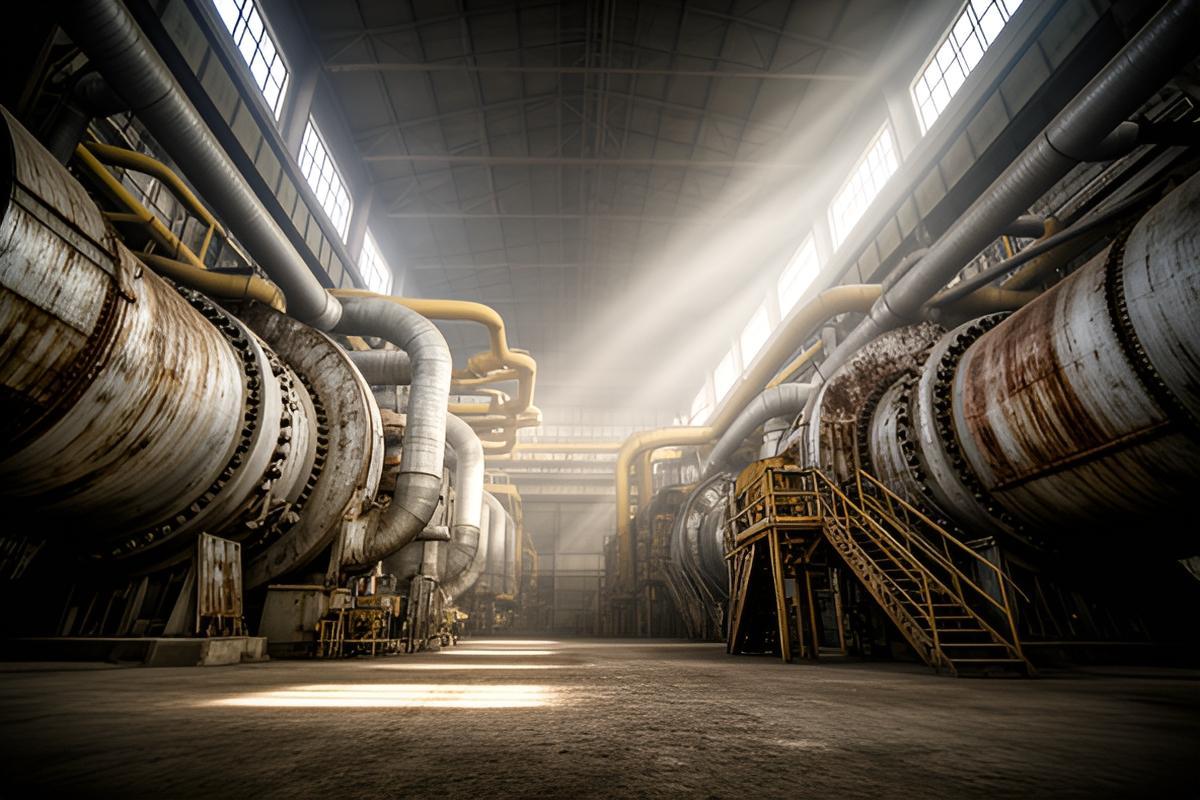
The use of refurbished equipment in thermal power generation emerges as an alternative to accelerate timelines, reduce costs, and strengthen the Brazilian electric system’s security amid high global demand.
The global electric sector is undergoing a profound transformation driven by the continuous growth in electricity consumption. Estimates from the International Energy Agency (IEA) point to an average annual increase of 3.6% in worldwide demand through 2030, demanding rapid solutions and expansion of energy generation sources.
In this transition scenario, the natural gas thermal mix plays a strategic role by providing firm power and operational flexibility. This modality acts complementarily when production from intermittent sources, such as wind and solar, shows supply fluctuations.
However, the rapid global expansion has created strong pressure on large‑scale input manufacturers. Logistical bottlenecks and increased delivery times for turbines and engines impose additional challenges to meeting plant deployment schedules in Brazil.
Global supply chain challenges and the national landscape
The intense international competition for heavy machinery affects the immediate availability of essential components for the electric sector. This scenario directly impacts acquisition costs and the competitiveness of new projects structured in the domestic market.
In the domestic environment, the demand for higher firm capacity was highlighted in the 2026 Capacity Reserve Auctions (LRCAPs). Negotiation rounds resulted in the procurement of approximately 19.5 GW of power for the national system.
The volume of contracted projects involves projected investments of R$ 64.5 billion. The major challenge for entrepreneurs is to turn these contracts into operational plants within the strict deadlines set by the federal government.
Refurbished equipment as a strategic option
Faced with a shortage of new machinery, adopting refurbished assets emerges as a viable and efficient alternative. The measure seeks to optimize financial resource allocation and ensure tariff moderation for the end consumer.
Industry experts, such as executive Luiz Fernando Leone Vianna of Grupo Delta Energia, emphasize that an asset’s chronological age should not be the sole evaluation factor. The core element lies in the operational condition and maintenance history of the machines.
“In a market with limited supply, technically qualified assets that are immediately available can reduce reliance on long manufacturing cycles, bring greater predictability to projects, and enable better allocation of investments.”
Using refurbished components from the secondary market requires full compliance with technical, safety, and environmental emission standards. Updated equipment ensures that operational requirements are met throughout the entire contract.
Beyond reducing dependence on lengthy manufacturing cycles, leveraging this inventory expands engineering options. The initiative encourages competition in auctions by diversifying project assembly strategies.
Regulation and predictability for the sector
For the use of semi‑new machinery to become a continuous reality in the country, a transparent and secure regulatory framework is essential. Clear standards allow companies to properly measure operational and financial risks.
Recent auctions in the electric sector have already shown progress in defining eligibility and performance criteria for projects. Ongoing regulatory refinement aims to keep pace with the dynamic changes in the global supply chain.
Integrating supply availability and delivery timelines into the sector’s planning is crucial. The strategy ensures that the power contracted in auctions is actually delivered to Brazil with safety, speed, and capital efficiency.