
Brazil faces risks of stagnation in its energy transition. Despite abundant clean energy, structural barriers are holding back electrification in industry and mobility.
Although Brazil has a plentiful and competitively priced renewable energy mix, the country risks falling behind the global race toward decarbonization. This is highlighted by a new analysis conducted by the international coalition We Mean Business, which placed Brazil in the alert zone for a potential stagnation in the economy’s electrification process.
While countries such as China lead the technology implementation rankings, the national scenario is hampered by logistical and structural obstacles. The study evaluated the pace of 16 nations and concluded that abundant natural resources alone are insufficient to translate green potential into broad, immediate economic benefits for society.
Infrastructure bottlenecks and mobility challenges
The study acknowledges significant regulatory progress in the country, such as the consolidation of the free electricity market and the newly created regulated carbon market. In the building sector, Brazil stands out positively thanks to attractive prices and established energy‑efficiency policies, though there is still room to expand electric use in food cooking and residential heating.
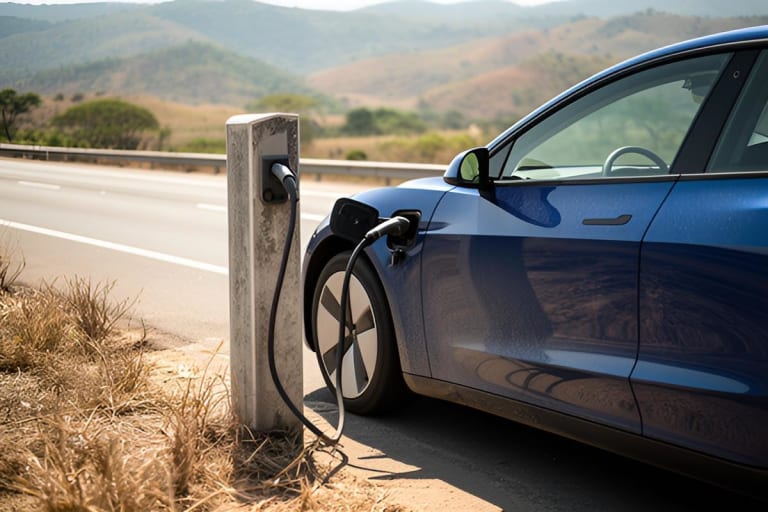
On the other hand, the Achilles’ heel lies in the distribution and transmission energy infrastructure. The analysis points to insufficient investment, operational connection bottlenecks, and high waste rates. In urban mobility, although the Mover program is viewed favorably, the electric vehicle fleet is progressing slowly and remains limited to major cities and passenger cars, lacking a robust charging network.
The lack of consistent investment in transmission and connection barriers threatens to turn our natural advantages into missed opportunities for sustainable industrial development.
The industrial landscape and the global outlook
In the manufacturing sector, Brazil offers significant financial incentives, yet the adoption of electric technologies remains modest, especially in replacing fossil fuels with electricity for industrial heat generation. This picture places Brazil in the same risk group for stagnation alongside powers and nations such as Australia, Ethiopia, South Korea, and the United States.
Overcoming these obstacles will require joint efforts from the public and private sectors, focusing on modernizing networks and expanding supporting infrastructure. Without structural reforms in the energy system, the country will continue to waste the transformative potential of its clean energy in the domestic market.