
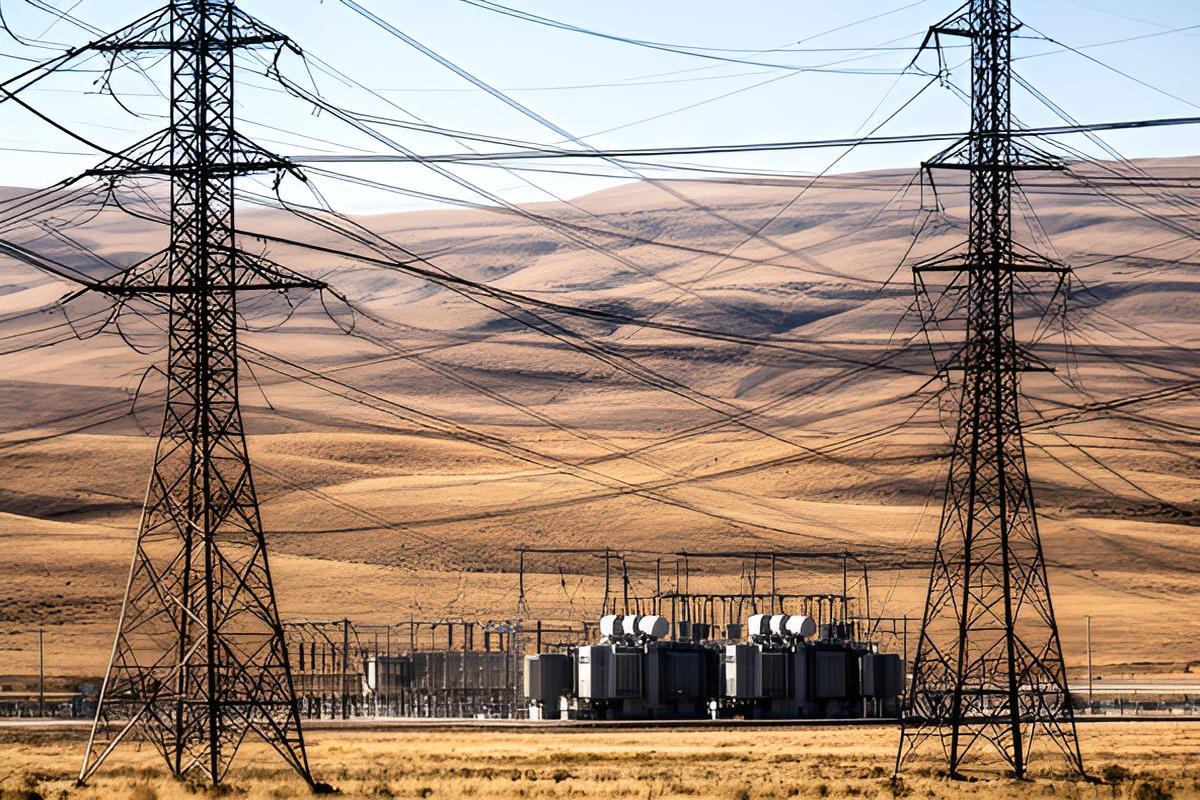
ANEEL cancels 178 permits and releases 7.68 GW onto the national electric grid, relieving entrepreneurs from penalties through the so‑called Day of Forgiveness 2.
The National Electric Energy Agency made a drastic decision to reorganize Brazil’s electric sector by revoking the authorizations of 178 power plants. The measure, formalized in Dispatch No. 3,585 of 2026, resulted in the decommissioning of a significant generation capacity and relief for transmission infrastructure.
The core of the resolution involves the use of the regulatory instrument popularly known as Day of Forgiveness 2, based on Normative Resolution No. 1,157 of 2026. Through this device, entrepreneurs were able to abandon unviable or stalled projects without incurring the heavy termination fines traditionally applied.
Impact on the transmission network and the role of ONS
Following the federal agency’s directive, the National System Operator was tasked with immediately terminating the Transmission System Use Contracts linked to the decommissioned plants. The maneuver releases about 7.68 gigawatts of transmission capacity that had been locked by projects with no operational outlook.
Market expectations are that this regulatory clean‑up will relieve long‑standing bottlenecks in strategic regions of the country. However, experts note that the return of the capacity does not automatically create new connection slots for all those on the waiting list, as the release depends on detailed technical studies conducted by the network operator.
The conclusion of this process marks an important milestone for clearing transmission networks and realigning expectations for national energy planning, ensuring that only projects with genuine viability occupy the system’s strategic space.
Next steps for the electric sector
The final termination of these obligations results from a rigorous joint audit between the regulatory agency and the technical operator. The thorough review ensured that only projects strictly meeting eligibility rules could benefit from the government’s amnesty.
In the near future, the regulatory challenge lies in reassessing the remaining capacity at substations and transmission lines. The removal of old concessions opens the door for new renewable generation initiatives to finally secure the coveted right of access to the basic power grid.