
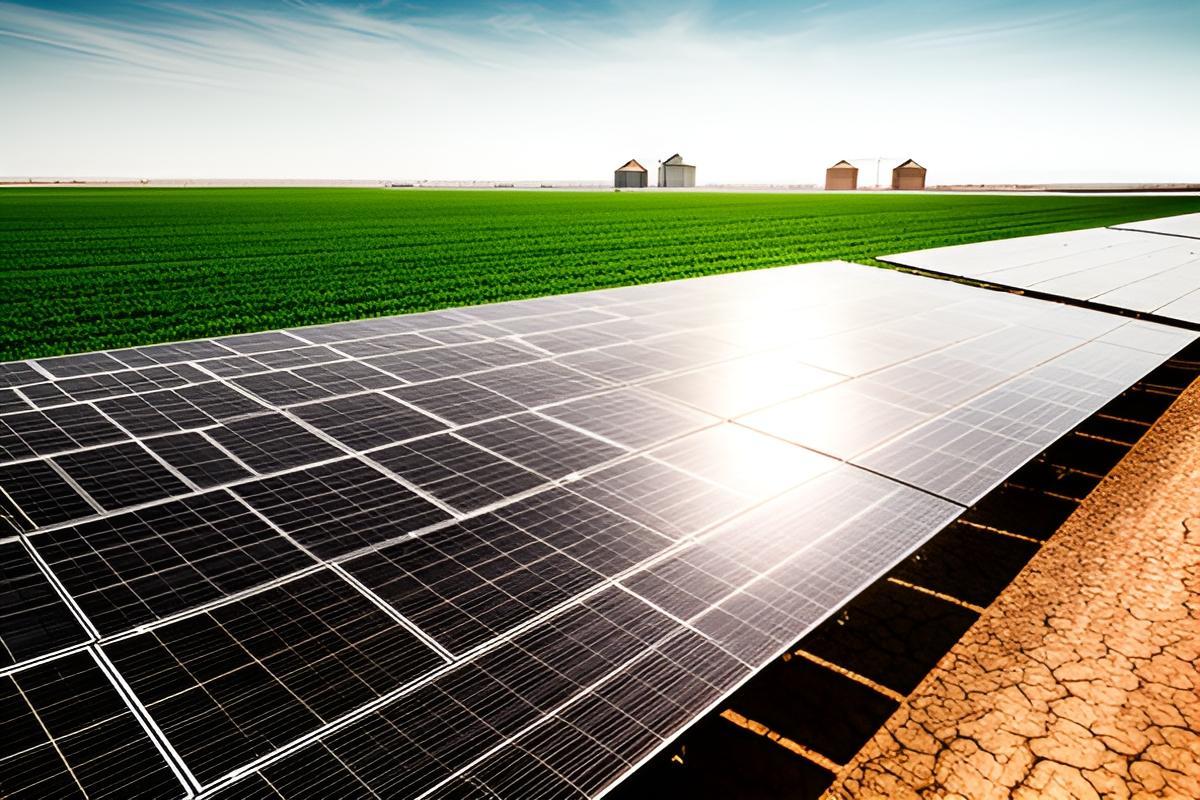
The agribusiness giant Cargill is negotiating a strategic partnership with Casa dos Ventos to enable self‑generation of solar power through the UFV Seriemas 4 plant in Paranaíba.
The energy transition in Brazil’s industrial sector is taking a new turn with advanced talks between Casa dos Ventos and the multinational Cargill. The partnership focuses on structuring a self‑generation model for electricity, using the UFV Seriemas 4 photovoltaic project in Paranaíba, in the state of Mato Grosso do Sul, as the central asset.
This initiative reflects a growing trend among large companies that seek not only to reduce operational electricity costs but also to solidify decarbonization and sustainability goals. By opting for a self‑generation regime, Cargill takes a leading role in managing its supply, ensuring energy predictability and renewable origin guarantees for its operations in the country.
Renewable Expansion Strategy
Casa dos Ventos, traditionally known for its dominance in the wind sector, has aggressively diversified its portfolio to include large‑scale solar assets. The UFV Seriemas 4 unit is a key piece of this geographic expansion strategy, leveraging the high solar irradiation index in the Paranaíba region to attract heavyweight partners like Cargill.
The self‑generation model, which is gaining traction in Brazil’s free‑market electricity sector, allows the energy consumer to assume the risks and benefits inherent to generation. For the agro‑industrial sector, this modality is seen as a shield against tariff flag volatility and an effective way to meet international ESG requirements.
“The convergence between renewable generation players and base industries points to an increasingly verticalized energy market, where legal security and operational efficiency dictate the pace of major infrastructure investments in Brazil.”
Market Impacts and Projections
If finalized, the agreement strengthens Casa dos Ventos’s position as one of Brazil’s leading developers of integrated energy solutions. For Cargill, the move aligns its extensive logistics and production chain with global clean‑energy standards, mitigating environmental risks and bolstering its brand among the financial market and conscious consumers.
The coming months will be critical for defining long‑term contracts, which must cover not only supply but also credit management and regulatory compliance with ANEEL. The project in Paranaíba should be closely monitored by the market, serving as a barometer for future private partnership investments aimed at the national agribusiness sector’s energy transition.