
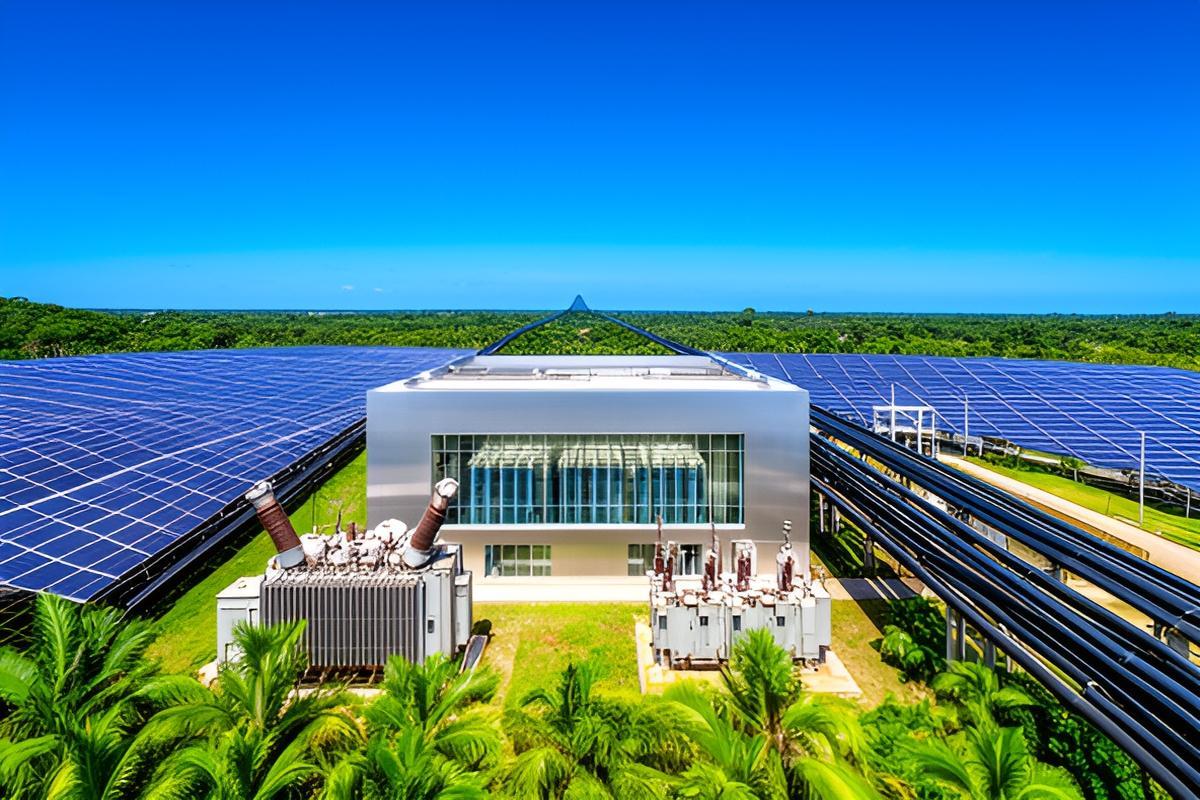
The expansion of data centers in Brazil brings major opportunities, but requires caution to avoid overloading the electrical system and driving up costs for consumers.
Brazil has taken a decisive step toward advanced digitalization by signing Redata into law, a tax incentive package aimed at attracting data centers. Driven by the global artificial intelligence boom, the country is emerging as a highly sought-after destination due to its renewable energy matrix.
However, the arrival of these technological complexes raises serious concerns among clean energy industry experts. After all, the continuous operation of these facilities demands an uninterrupted load that challenges national power sector planning.
The Risks of Fossil Fuel Dependency
One of the most sensitive aspects of the new legislation is the sustainability requirement, which leaves room for the use of natural gas. Because servers operate 24 hours a day and domestic supply is growing via solar and wind power—which are intermittent—fossil fuels are frequently cited to guarantee operational flexibility.
Experts warn that this solution could create dangerous structural lock-ins.
The expansion of data centers cannot lock the country into expensive fossil fuel infrastructure for decades.
points out the Instituto E+ Transição Energética in its recent analyses.
The Transmission Grid Bottleneck
Another critical obstacle lies in power transmission infrastructure. While a data center can be built in about a year and a half, electrical grid upgrades easily take up to a decade to complete.
Simulations conducted by Instituto E+ indicate that regions such as Campinas and Fortaleza offer specific connection advantages, but warn of the risk of saturation. Without rigorous alignment between the arrival of new load and the capacity of transmission lines, the risk of local bottlenecks becomes imminent.
The success of this public policy will depend on the ability to align digital innovation with systemic security. Protecting Brazil‘s competitive advantage means ensuring that technological expansion drives the energy transition without shifting operational costs onto society.