
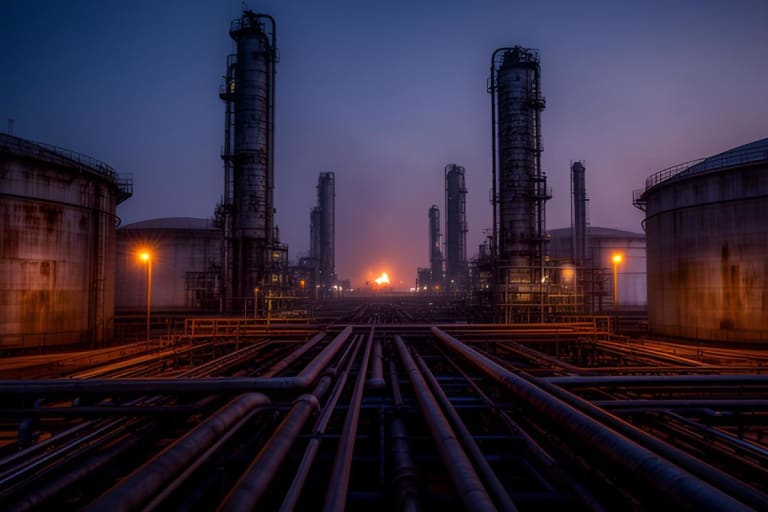
Brent Crude spikes to $111 a barrel, a five-month high, fueled by the escalating conflict in the Middle East and threats to global energy security.
The global energy market is facing intense volatility after Brent crude reached $111 per barrel, marking its highest price in five months.
The price surge reflects rising geopolitical tensions in the Gulf region, where supply routes and critical infrastructure have become frequent targets of armed attacks.
This price escalation coincides with an alarming series of assaults attributed to Houthi rebels, who have targeted both land-based facilities and commercial vessels in the region.
The immediate impact of this instability is the maintenance of a significant risk premium in international oil prices, keeping the fossil fuel consistently above the psychological barrier of $100.
Impact on Global Logistics and Supply
The vulnerability of maritime routes in the Middle East has worsened significantly in recent weeks.
Recent data indicate that at least 18 commercial ships have been attacked in Gulf waters within just two weeks, raising red flags for shipowners, importers, and the clean energy sector, which is monitoring the energy transition amid fossil fuel shocks.
Beyond threats at sea, violence has also struck vital security and infrastructure hubs.
Recently, an offensive against a military training camp in the Shabwa province of Yemen resulted in dozens of deaths and hundreds of injuries, highlighting that local instability directly affects the fuel supply chain.
The persistence of these attacks and the severity of recent incidents make it clear that the global oil supply remains extremely vulnerable, justifying the sustained high price levels.
Outlook for the Energy Sector
Commodity market experts assess that as long as geopolitical risks persist in the Arabian Peninsula and the Red Sea, Brent is expected to continue fluctuating at elevated levels.
This price volatility puts pressure on global inflation and directly affects the operating costs of various industries.
The ongoing turbulence in the oil and gas market reinforces the urgency for governments and corporations to accelerate investments in alternative sources and the transition to sustainable energy, which analysts view as the only lasting path to mitigating dependence on chronically unstable regions.