
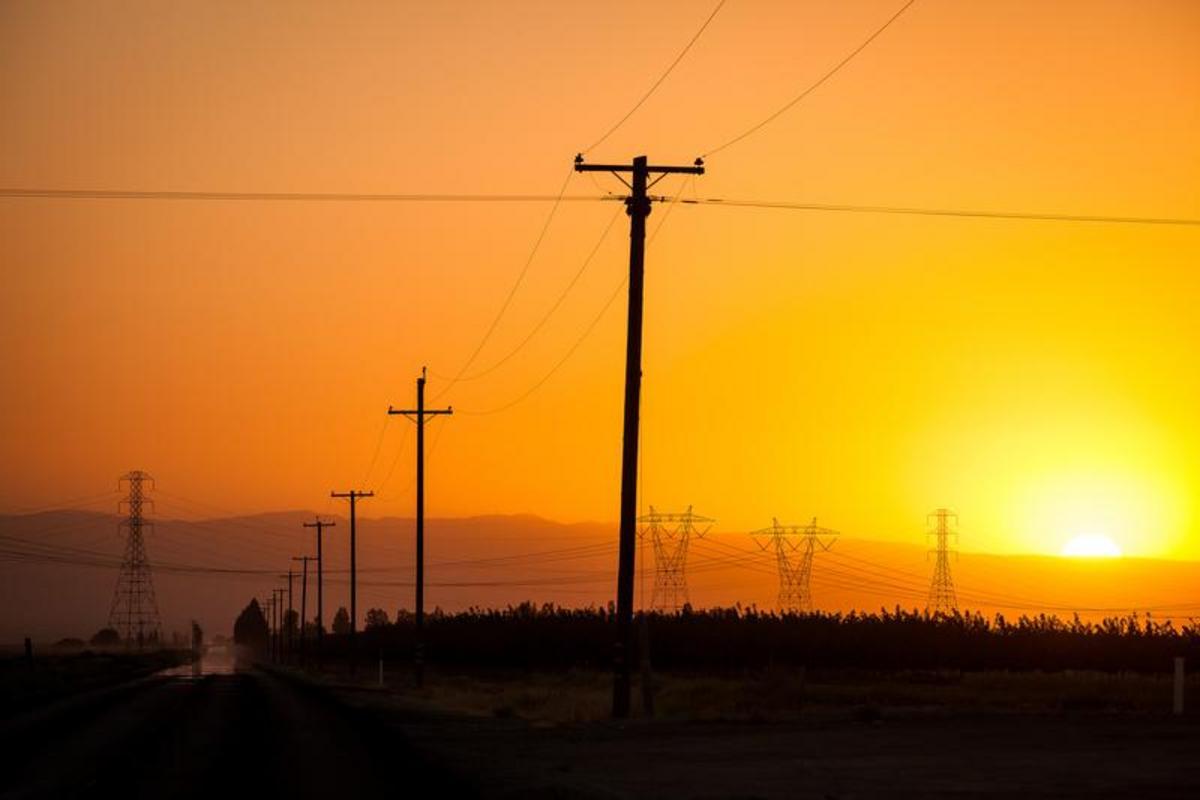
Modernizing distribution grids is an imperative for Brazil’s electricity sector. The rise of distributed generation and electrification demand strategic investments in automation, digitalization, and monitoring technologies to ensure efficiency and resilience.
The transformation of Brazil’s electricity sector presents the distribution infrastructure with a new challenge: modernizing grids designed for a consumption and generation reality vastly different from today’s. The advancement of distributed generation, the expansion of electrification, the growing presence of critical loads, and the continuous increase in demand require systems capable of operating with higher levels of efficiency, flexibility, and reliability.
This metamorphosis is already visible in the sector’s indicators. With distributed generation installed capacity surpassing the 50 GW mark nationwide, primarily driven by solar energy, millions of consumers have also become producers. This scenario has introduced bidirectional power flows and greater operational variability, making investments in automation, real-time monitoring, and smart equipment fundamental for system stability.
Digitalization as the Foundation of the Smart Grid
For utility companies, modernization transcends replacing physical assets; it’s about the comprehensive digitalization of infrastructure. The goal is to enhance the capacity to monitor the grid in real-time, identify faults swiftly, automate maneuvers, and utilize strategic data to anticipate problems.
Luciano Lima, Engineering Manager for Services and Systems at Eaton Electrical do Brasil, states:
“We are facing a structural shift in the electrical system. The distribution grid needs to be smarter and prepared to handle different generation sources, new loads, and consumers who are increasingly dependent on energy availability. The combination of protection equipment, automation, connectivity, and data analysis is crucial for increasing the resilience and efficiency of operations.”
Challenges of Electrification and Bidirectional Flows
Historically, energy flow was unidirectional, from large power plants to the end consumer. With the popularization of solar photovoltaic energy, this model has become complex. Now, the grid must handle energy injections at multiple points, requiring equipment that responds instantly to load variations.
Simultaneously, the growing adoption of electric vehicles and industrial electrification increases the demand for supply quality. In this context, the Smart Grid ceases to be a futuristic concept and becomes an immediate necessity. Connected sensors and management systems allow distributors to have full visibility of assets, drastically reducing response time to outages.
Technology and Resilience in the Face of Extreme Events
Eaton, a global intelligent power management company, highlights that the success of this transition combines robust hardware with software intelligence. Solutions such as automatic reclosers and advanced platforms enable precise isolation of affected sections, restoring power more quickly.
Furthermore, the impact of climate change, bringing increasingly frequent extreme weather events, reinforces the importance of simulation tools. As Luciano Lima points out:
“It’s not enough to increase grid capacity. It’s necessary to understand how it will behave under different operating conditions. The ability to simulate scenarios, assess impacts, and plan interventions allows utility companies to be more efficient in resource utilization and better prepared for critical situations.”
The Future of the Electric Sector
The modernization of energy distribution is a long-term process but can be executed gradually, prioritizing points with the greatest impact on supply quality. Beyond investments in technology, there is a need for professional training, combining traditional technical knowledge with expertise in data analysis and digital systems.
As Brazil advances in its energy transition, the modernization of grid infrastructure will be the determining factor in ensuring the safety, reliability, and sustainability necessary for the country’s development, guaranteeing a grid prepared for the challenges of the next decade.