
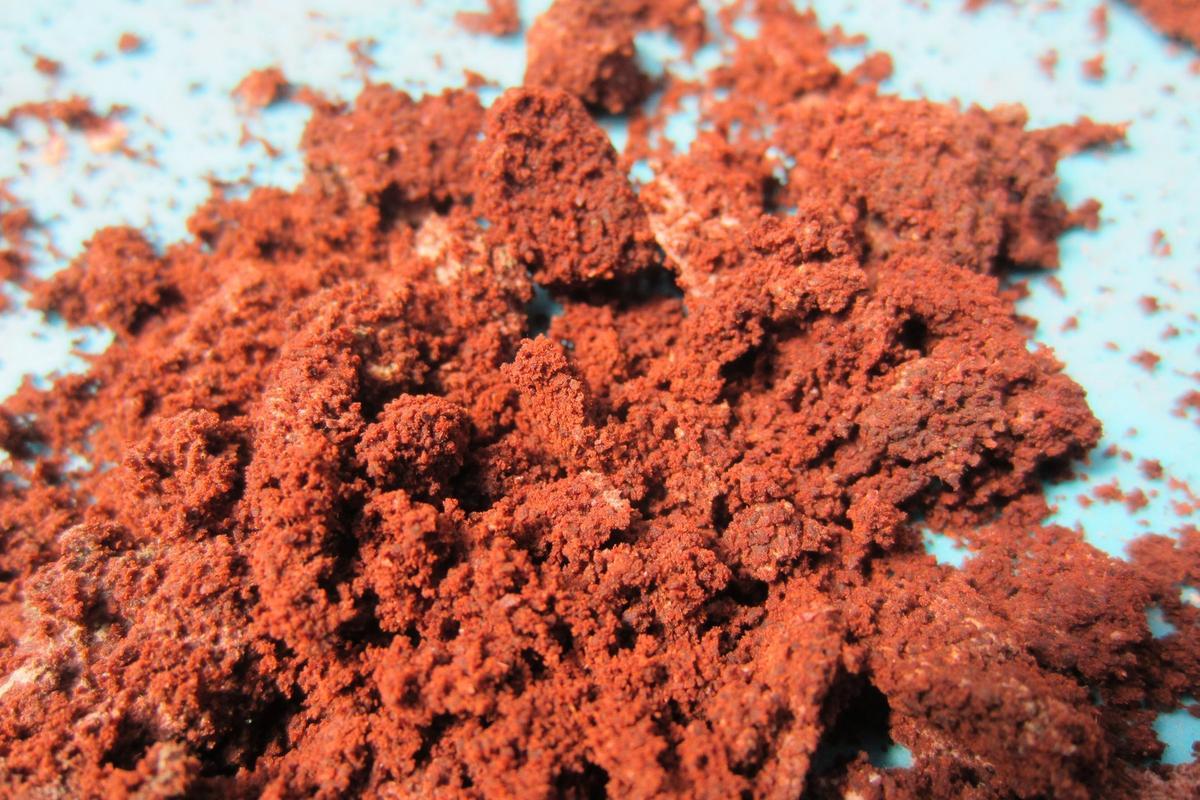
South Korean researchers have developed a technology capable of converting wet coffee grounds into high-energy solid fuel in just 90 seconds, without the need for drying.
A new scientific breakthrough promises to transform one of the most common everyday wastes into a clean energy source. Scientists at the Korea Institute of Geoscience and Mineral Resources (KIGAM) have created a revolutionary method for repurposing coffee grounds.
The innovation successfully transforms the raw material, still wet, into a high-yield thermal biochar in a record time of just 90 seconds.
The technique’s key advantage lies in eliminating the preliminary drying phase, a step that has historically made the energy processing of this type of biomass expensive and unfeasible.
Plasma Technology and Instant Drying
The technique, dubbed flame plasma pyrolysis (FPP), uses extreme temperatures between 800°C and 900°C to treat the material under atmospheric pressure.
Upon contact with the heat generated by the combustion of liquefied petroleum gas (LPG) and compressed air, the 55% moisture content of the grounds evaporates almost instantly.
This rapid evaporation phenomenon expands the material and creates a highly porous structure, essential for forming high-quality biochar.
High Energy Content and Multiple Uses
Laboratory tests revealed that the solid fuel obtained reached a calorific value of 29 megajoules per kilogram, a mark comparable to traditional fossil fuels.
In addition to its high caloric value, the fixed carbon proportion in the material tripled, while the surface area increased exponentially, opening doors for uses beyond energy generation.
Due to its properties similar to activated charcoal, the input can be used for water purification, air filtration, and various industrial adsorption processes.
Taejun Park, the lead author of the research, highlighted:
“Our intention is to expand this technology to different high-moisture organic wastes and continue optimizing it for industrial-scale commercialization.”
Challenges for Scaling Up
Despite its impressive speed compared to conventional methods—which require 30 minutes to six hours—the system’s commercial viability still demands further study.
Researchers emphasize the need to measure the equipment’s overall energy consumption and the operational costs of continuous LPG use.
The project also aims to test the method on other wet wastes, such as food scraps, agricultural residues, and urban sewage sludge.
With a compact design that allows for direct application at the waste generation site, the South Korean technology emerges as a promising alternative for the circular economy.
Although a definitive timeline for commercial launch does not yet exist, the project signals a future where domestic and industrial organic waste can be rapidly converted into sustainable solutions.